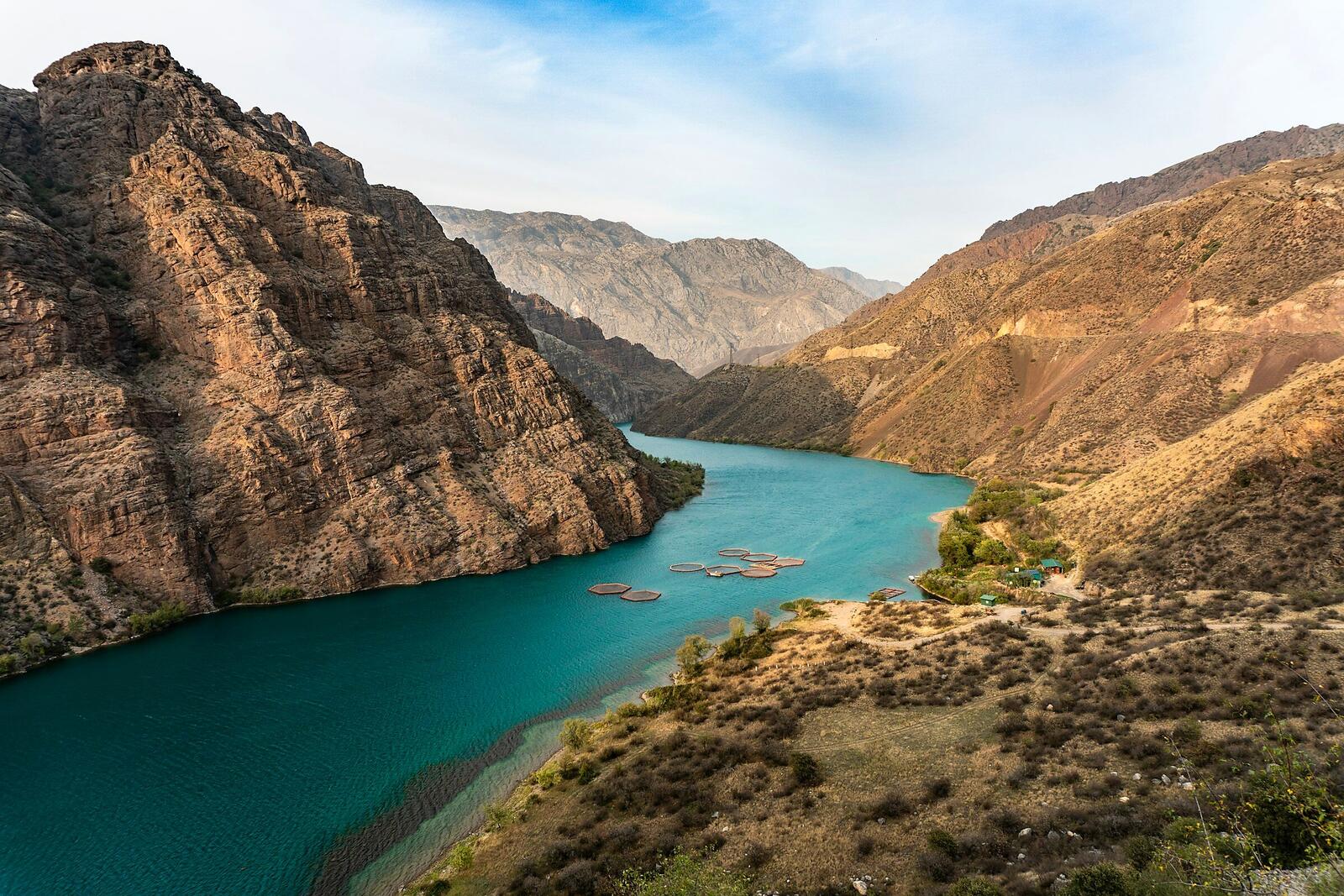
Kyrgyzstan: The Steppe That Reminds You What Freedom Means
Kyrgyzstan is a place that consumes you, in the best way. Alpine lakes, nomadic yurt camps, horseback rides across jailoo pastures, and silence.
TL;DR
Kyrgyzstan is the most underrated country on Earth right now. It is 90% mountains, 0% ego. You will swim in alpine lakes that look like crushed turquoise, sleep in felt yurts with nomadic families who have never heard of Instagram, ride horses across jailoo pastures where the only footprints are yours and your horse’s, and eat beshbarmak — boiled horse meat over noodles — with your fingers at a table that was set for you because you are a guest, not a customer. This is not a trip. It is a reset.
Who This Guide Is For
- Travelers who have done the European circuit and want something that still feels like discovery
- Solo travelers who want to test themselves without the safety-net infrastructure of Thailand or Japan
- Couples looking for a “coolcation” alternative — Kyrgyzstan’s high-altitude summers stay 15–25°C while Europe sweats through heatwaves
- Horse riders who have never ridden outside a stable
- Anyone who read “the new Albania” headlines and wants to see the real Central Asia before the tour buses arrive
- People who trust TikTok algorithms more than Lonely Planet
Quick Facts
| Question | Answer |
|---|---|
| Best time to visit | June through September |
| Typical duration | 7-10 days |
| Difficulty | Moderate |
| Typical budget | $35–$130/day depending on style |
| Visa | 30 days visa-free for 60+ countries; e-visa $82 for 30 days; see Visit Kyrgyzstan for entry requirements |
| Currency | Kyrgyzstani som (KGS) |
| Language | Kyrgyz, Russian |
| Internet | Good in cities; nonexistent in high yurt camps |
Before You Go
Checklist
Documents & Permits
- Passport with 6+ months validity
- Check visa-free eligibility (30 days within 60-day period for many nationalities as of 2026); see Kyrgyzstan E-Visa
- Border zone permit if visiting Kel-Suu, Inylchek, or other restricted areas ($35–$55 via agency)
- Travel insurance with emergency evacuation coverage
- Printed hotel/yurt camp confirmations (cell service is unreliable in mountains)
Apps & Navigation
- Maps.me offline maps downloaded (Google Maps is unreliable outside Bishkek)
- Windy or Mountain Weather for alpine forecasts
- Telegram — the de facto messaging app for drivers, guides, and yurt camp hosts
- Google Translate offline Kyrgyz/Russian packs
Gear
- Warm layers even in July — nights at 3,000m drop to near freezing
- Waterproof shell — mountain weather shifts in minutes
- Sturdy hiking boots with ankle support
- Headlamp with extra batteries
- Reusable water bottle + purification tablets (many springs are safe, but verify)
- Sunscreen SPF 50+ and sunglasses — UV is intense at altitude
- Power bank for long days on the road
Health
- Basic first-aid kit with blister treatment and altitude medication if prone
- Anti-nausea medication for winding mountain roads
- Hand sanitizer — many rural facilities are basic
Getting There
The main entry point is Manas International Airport (FRU) in Bishkek. Direct flights connect to Istanbul, Moscow, Almaty, and increasingly to Chinese and European cities. For the Issyk-Kul region, Issyk-Kul International Airport (IKU) at Tamchy operates seasonal flights from Bishkek (40 minutes, from ~$55 USD).
| Route | From | To | Time | Cost |
|---|---|---|---|---|
| International | Istanbul (IST) | Bishkek (FRU) | ~5 hrs | $300–$600 return |
| Regional | Almaty (ALA) | Bishkek (FRU) | ~1.5 hrs | $80–$150 return |
| Domestic | Bishkek (FRU) | Issyk-Kul (IKU) | 40 min | ~$55 one way |
| Bishkek → Karakol | Marshrutka | 4–6 hrs | $9–$12 | |
| Bishkek → Cholpon-Ata | Marshrutka | 4–5 hrs | $6–$10 |
Visa note: As of 2026, visa-free entry for 30 days applies to 60+ nationalities, but permitted stay depends on nationality and rolling 60-day periods. Always verify current rules at your nearest Kyrgyz embassy before booking.
Where to Stay
Kyrgyzstan has three accommodation ecosystems: Soviet-era sanatoriums, family guesthouses, and nomadic yurt camps. Mix all three.
| Type | Where | Price Range | What You Get |
|---|---|---|---|
| Sanatorium | North Issyk-Kul | $40–$80/night | Soviet-era beachfront, hot mineral baths, full board |
| Family Guesthouse | Karakol, Bokonbaevo | $15–$35/night | Private room, shared bathroom, home-cooked meals |
| Tourist Yurt Camp | South Issyk-Kul, Song-Kul | $25–$45/night | Felt yurt, shared facilities, meals included, lake/mountain views |
| Upgraded Yurt / Glamping | Son-Kul, Jety-Oguz | $90–$150/night | Proper bed, heating, private bathroom, premium location |
| Mid-Range Hotel | Bishkek, Karakol | $50–$100/night | Private bathroom, Wi-Fi, restaurant |
Booking tip: For July–August, book guesthouses and yurt camps 2–4 weeks ahead via CBT (Community Based Tourism) offices or local platforms likeKG Trip. June and September offer more flexibility.
Where to Eat
Kyrgyz food is meat-first, dairy-heavy, and deeply hospitable. You will be offered more food than you can eat. Accept it.
| Meal | Recommendation | Where | Approx. Cost |
|---|---|---|---|
| National dish | Beshbarmak (boiled horse/mutton over noodles) | Family guesthouses, Karakol | 300–700 KGS ($3–$7) |
| Dungan specialty | Ashlyan-fu (spicy pulled-noodle soup) | Karakol cafes | 200–400 KGS ($2–$4) |
| Street snack | Samsa (flaky meat pastry) | Bazaars, roadside stalls | 80–150 KGS ($0.80–$1.50) |
| Hearty lunch | Laghman (hand-pulled noodles with meat/veg) | Local canteens | 250–500 KGS ($2.50–$5) |
| Traditional drink | Kymyz (fermented mare’s milk) | Yurt camps, bazaars | 100–200 KGS ($1–$2) |
| Dinner out | Plov + salads + tea | Mid-range restaurants | 500–1,000 KGS ($5–$10) |
Etiquette: If invited to a home or yurt, bring a small gift — fruit, sweets, or tea. Remove shoes at the door. Wait for the host to start eating. Accept at least a small portion of everything offered; refusing entirely is considered impolite.
Day-by-Day Itinerary
Day 1: Bishkek — The Soviet Cosmopolitan Start
Arrive in Bishkek. The capital is leafy, Soviet-grand, and surprisingly cafe-heavy. Use it to acclimatize, buy local SIM cards, and stock up on snacks for the road.
| Time | Activity | Location | Notes/Tips |
|---|---|---|---|
| 10:00 a.m. | Osh Bazaar walk | Western outskirts | Dried fruits, nuts, beshbarmak ingredients |
| 1:00 p.m. | Laghman lunch | Sai-fu or nearby Dungan cafe | Karakol’s signature dish, but Bishkek versions are solid |
| 3:00 p.m. | Ala-Archа National Park day trip | 40 min from Bishkek | Easy hike to the Archa waterfall; acclimatize to altitude |
| 7:00 p.m. | Dinner + craft beer | Bishkek craft scene | Semi-traditional meal at a local guesthouse |
Plan B: If you are tired from the flight, skip Ala-Archа and explore the State Museum or the sprawling Tynchtyk craft market instead.
Day 2: Bishkek → Issyk-Kul North Shore → Karakol
Drive east to Issyk-Kul. The north shore is the developed side: resort towns, Soviet sanatoriums, and long pebble beaches. You are just passing through to Karakol, the adventure capital.
| Time | Activity | Location | Notes/Tips |
|---|---|---|---|
| 8:00 a.m. | Depart Bishkek | Marshrutka or private driver | 4–5 hours; buy snacks at Osh Bazaar beforehand |
| 1:00 p.m. | Lunch at a beachside cafe | Cholpon-Ata | Try grilled trout from the lake |
| 2:30 p.m. | Petroglyphs stop | Cholpon-Ata | Ancient stone carvings on a hillside above the lake |
| 4:00 p.m. | Continue to Karakol | 1.5 hrs east | The road hugs the lake; stop for photos |
| 6:00 p.m. | Check in + walk | Karakol | Wooden Russian houses, Sunday animal market if it is the weekend |
Plan B: If the road is rough or you want more lake time, stop at a north-shore sanatorium for a night and continue to Karakol tomorrow.
Day 3: Karakol — The Multicultural Hub
Karakol is 40% Russian, 30% Kyrgyz, 20% Dungan, and 100% interesting. It has the best restaurant scene between Bishkek and Urumqi.
| Time | Activity | Location | Notes/Tips |
|---|---|---|---|
| 8:30 a.m. | Sunday Animal Market | Karakol outskirts | Go early; sheep, horses, and cattle traded by 9 a.m. |
| 11:00 a.m. | Dungan lunch | Ashlyan-fu specialist | Hand-pulled noodles, spicy broth |
| 1:00 p.m. | Holy Trinity Russian Orthodox Church | Karakol center | Carved wooden iconostasis; one of the finest in Central Asia |
| 3:00 p.m. | Hot springs | Altyn-Arashan valley | 1-hour drive + 2-hour hike or horseback ride to mineral pools |
| 7:00 p.m. | Dinner | Karakol restaurant | Try kuurdak (fried meat with potatoes) |
Plan B: If hot springs are closed or the road is bad, do the Jeti-Oguz day hike instead — Seven Bulls red sandstone ridges, 1-hour drive from Karakol.
Day 4: Karakol → South Issyk-Kul Yurt Camp
Cross to the south shore. The road turns to gravel, the resorts disappear, and the yurt camps begin. This is the Kyrgyzstan most travelers never see.
| Time | Activity | Location | Notes/Tips |
|---|---|---|---|
| 9:00 a.m. | Depart Karakol | Private driver or shared 4x4 | 1.5–2 hours; book through your guesthouse |
| 11:30 a.m. | Skazka Canyon hike | South shore | Fairy-tale red sandstone formations; 2–3 hours |
| 2:00 p.m. | Lunch | Yurt camp | Family-cooked beshbarmak or kuurdak |
| 4:00 p.m. | Eagle hunting demonstration | Bokonbaevo area | Arrange through your yurt camp; golden eagles, living tradition |
| 7:00 p.m. | Sunset + horseback ride | Jailoo pastures | 1–2 hour ride; even beginners can join |
Plan B: If the 4x4 cannot reach the yurt camp due to road conditions, stay in Bokonbaevo guesthouses and do day activities from there.
Day 5: South Issyk-Kul → Song-Kul
Drive over the 3,300m Kilemche Pass to Song-Kul, Kyrgyzstan’s second-largest alpine lake. There are no permanent villages on its shore — only summer yurt camps that appear with the snowmelt and vanish with the first frost.
| Time | Activity | Location | Notes/Tips |
|---|---|---|---|
| 8:00 a.m. | Depart south shore | 4x4 | 3–4 hours; scenic but rough |
| 12:00 p.m. | Picnic lunch | Alpine meadows | Views of the Terskey Ala-Too range |
| 2:00 p.m. | Arrive Song-Kul | Yurt camp | 3,016m altitude; acclimatize slowly |
| 4:00 p.m. | Short acclimatization hike | Song-Kul shore | Easy walk; drink kymyz, breathe thin air |
| 7:00 p.m. | Dinner in the yurt | Family camp | Laghman or beshbarmak; stories by candlelight |
Plan B: If the pass is snowed in or the 4x4 cannot make it, return to Karakol and do an extra day of valley hikes or rest.
Day 6: Song-Kul — Full Nomad Immersion
No itinerary. No Wi-Fi. Just jailoo (summer pasture) time. Wake with the herders, ride horses, learn to make boortsok (fried dough), and watch the Milky Way at 3,000 meters.
| Time | Activity | Notes/Tips |
|---|---|---|
| 7:00 a.m. | Wake with the family | Help herd sheep or milk mares if offered |
| 9:00 a.m. | Breakfast | Bread, clotted cream, tea, homemade jam |
| 10:30 a.m. | Horseback ride | 3–4 hours to a nearby valley; guides match horses to ability |
| 2:00 p.m. | Lunch back at camp | Fresh bread, soup, possibly kuurdak |
| 4:00 p.m. | Free time | Read, nap, photograph, help with felt-making |
| 7:00 p.m. | Dinner + stargazing | No light pollution; the Milky Way is visible to the naked eye |
Plan B: If you do not ride, swap the morning ride for a 5km hike to a nearby glacial stream or a visit to a neighboring yurt camp.
Day 7: Song-Kul → Bishkek
Descend from the high pastures. The drive back to Bishkek takes 5–6 hours. Stop at Burana Tower, a 11th-century Silk Road minaret, and the petroglyphs at Cholpon-Ata if you missed them on Day 2.
| Time | Activity | Location | Notes/Tips |
|---|---|---|---|
| 8:00 a.m. | Depart Song-Kul | 4x4 | Early start beats afternoon mountain weather |
| 12:00 p.m. | Burana Tower | Chuy Valley | Silk Road ruins, small museum, climb the minaret |
| 2:00 p.m. | Lunch | Kochkor village | Traditional food at a CBT guesthouse |
| 4:00 p.m. | Arrive Bishkek | Check into a mid-range hotel; hot shower | |
| 7:00 p.m. | Farewell dinner | Bishkek | Plov or modern Kyrgyz cuisine; toast with cognac |
Day 8: Bishkek — Culture and Souvenirs
One full day in the capital before departure.
| Time | Activity | Location | Notes/Tips |
|---|---|---|---|
| 10:00 a.m. | State History Museum | Bishkek | Soviet display, Kyrgyz tribal artifacts, eagle hunting gear |
| 1:00 p.m. | Lunch at a Soviet-style canteen | Various | Shashlik (grilled meat), salads, tea |
| 3:00 p.m. | Dordoy Bazaar | Northern Bishkek | One of Central Asia’s largest markets; buy felt souvenirs, spices, textiles |
| 6:00 p.m. | Final walk + tea | Oak Park | Soviet-era fountains, statue of Manas (epic hero) |
Practical Tips
- Cash is king. Withdraw KGS from Bishkek ATMs. Outside the capital, cards are rarely accepted. Bring USD/EUR as backup for emergencies.
- Marshrutkas are cheap but unpredictable. Depart when full, not on schedule. For tight itineraries, hire a private driver (~$90–$120/day with fuel).
- Altitude. Song-Kul is at 3,016m; Ala-Kul sits at 3,560m. Drink extra water, move slowly, and avoid alcohol the first two nights at altitude.
- Respect the yurt. If invited inside, remove your shoes. Do not point your feet at people or the altar corner. Accept tea with your right hand or both hands.
- Water. Most mountain springs are safe to drink, but carry purification tablets for low-elevation sources near settlements.
- Language. Russian is the lingua franca. Basic Kyrgyz phrases are appreciated but rarely necessary outside homestays. Download offline packs.
- Season. June and September trade some heat and lake warmth for fewer crowds and 20–30% lower prices. July–August is peak season; book 2–4 weeks ahead.
Before You Go: Last-Minute Checks
- Visa status confirmed (30-day visa-free or e-visa applied)
- Border zone permit arranged if visiting Kel-Suu or Inylchek
- Driver or marshrutka tickets booked for Bishkek → Karakol leg
- Yurt camp confirmed for Song-Kul (July–August)
- Cash withdrawn in Bishkek before heading east
- Offline maps downloaded for Karakol, Issyk-Kul, and Song-Kul regions
- Travel insurance covers helicopter evacuation from remote areas
Insider Tips
- Arrive at Song-Kul before 3 p.m. The yurt camps are at their most atmospheric in golden hour, and the families have time to orient you before dinner. Arriving after dark means fumbling with headlamps and introductions by candlelight.
- Carry small denominations. A 1,000 KGS note is impossible to break in a village canteen. Hoard 20s, 50s, and 100s.
- Sunday at the Karakol animal market is non-negotiable. It is not a tourist show. It is a working market where Kyrgyz farmers trade sheep, horses, and cattle. Arrive by 8 a.m., keep your camera low, and do not haggle aggressively.
- The best beshbarmak is never on a tourist menu. Ask your yurt camp host or guesthouse owner if they can arrange a family meal. That is where the five-finger tradition is real.
- Skip the north-shore sanatoriums unless you are into Soviet nostalgia. The south shore and Karakol valley offer 10x the experience for half the price.
Etiquette & Culture
- Hospitality is sacred. If a yurt camp family invites you to join them for tea or a meal, accept. Refusing is rude. You do not need to bring a gift, but a small bag of sweets or fruit from Bishkek is a thoughtful gesture.
- Right-hand rule. Pass items, shake hands, and eat with your right hand. The left hand is traditionally used for hygiene.
- Head and feet. Do not touch anyone’s head or point your feet at people, altars, or religious objects.
- Photography. Always ask before photographing people, especially elderly nomads. Eagle hunters may ask for a small fee (200–500 KGS) — pay it.
- Dress. In cities, casual Western wear is fine. In rural areas and yurt camps, modest clothing (long sleeves, long pants) shows respect, especially for women.
- Religion. Kyrgyzstan is majority Muslim but extremely moderate. Alcohol is available, and dress codes in Bishkek are relaxed. In yurt camps and villages, follow the host’s lead.
Useful Phrases (Kyrgyz)
| Phrase | Pronunciation | Use |
|---|---|---|
| Саламатсызбы | Sah-lah-MAHT-sihb-ee | Hello (formal) |
| Кандайсыз? | Kahn-DY-sihz? | How are you? |
| Рахмат | RAHKH-maht | Thank you |
| Ооба | Oh-OH-bah | Yes |
| Жок | Zhohk | No |
| Су бере аласызбы? | Soo BEH-reh ah-LAH-sihb-ee? | Can I have water? |
| Цена кандай? | TSEH-nah Kahn-DY? | How much? |
| Жардам берчи | ZHAHR-daam BEHR-chee | Help please |
Good to know (2026)
- Visa-free entry: 30 days for 60+ nationalities as of 2026, but permitted stay depends on nationality and rolling 60-day periods. Always verify current rules at Visit Kyrgyzstan or your nearest Kyrgyz embassy before booking.
- Border zone permits: Required for Kel-Suu, Inylchek, and other restricted areas. Budget $35–55 via an agency; arrange before arrival.
- Cash is king. Withdraw KGS from Bishkek ATMs before heading east. Outside the capital, cards are rarely accepted. Bring USD/EUR as backup for emergencies.
- Russian is the lingua franca. Basic Kyrgyz phrases are appreciated but rarely necessary outside homestays. Download offline translation packs.
- Altitude awareness: Song-Kul is at 3,016m; Ala-Kul sits at 3,560m. Drink extra water, move slowly, and avoid alcohol the first two nights at altitude.
- Respect yurt customs. Remove shoes when invited inside. Do not point your feet at people or the altar corner. Accept tea with your right hand or both hands.
FAQs
Do I need a guide in Kyrgyzstan? Not for Issyk-Kul or Karakol, but a local guide is strongly recommended for multi-day treks (Ala-Kul, Altyn-Arashan) and border-zone areas. Guides cost $30–$50/day and arrange permits, horses, and yurt stays. Sources: CBT Kyrgyzstan · Visit Kyrgyzstan · wikitravel
Is Kyrgyzstan safe for solo travelers? Yes. Kyrgyzstan is one of the safest countries in Central Asia for independent travel. Violent crime against tourists is rare. Standard precautions apply: keep valuables secure on marshrutkas, avoid walking alone late at night in Bishkek’s outer districts. Sources: wikitravel · r/solotravel · US State Department
Can I do this trip without horseback riding? Yes. All major activities have hiking alternatives. The yurt camp experience, hot springs, and lake scenery do not require riding. If you want to try, most CBT operators offer 1-hour beginner rides for $15–$25. Sources: CBT Kyrgyzstan · lonelyplanet.com
What is the internet like? Bishkek and Karakol have 4G. Issyk-Kul north-shore resorts have Wi-Fi. South-shore yurt camps and Song-Kul have zero connectivity. Embrace the disconnection. Sources: Nomad List 2026 · Settled Nomad 2026
Is Kyrgyzstan expensive? No. Budget travelers spend $35–$50/day; mid-range $85–$130/day. The most expensive component is private 4x4 transport to remote areas, which runs $90–$180/day. Sources: Nomad List 2026 · Settled Nomad 2026 · CBT Kyrgyzstan
When is the best time to visit? June–September for classic summer itineraries. July–August for warmest lake temperatures and most active yurt camps. June or September for fewer crowds and lower prices. Winter (December–March) for skiing around Karakol. Sources: wikitravel · lonelyplanet.com · CBT Kyrgyzstan
Related Guides
- Patagonia: Hike the W Trek and Earn the View — for hikers who want another landscape that rewires your sense of scale
- Canadian Rockies: The Mountain Medicine That Works — for North American alpine alternatives
- Iceland Ring Road guide — for another Nordic road trip with volcanic landscapes and northern lights
The Bottom Line
Kyrgyzstan is the last place on Earth where you can still be a pioneer without sacrificing safety. The infrastructure is good enough, the people are welcoming enough, and the scenery is dramatic enough — but the crowds have not arrived yet. The window for this kind of travel is closing. Not because Kyrgyzstan is becoming unsafe or overpriced, but because TikTok has already discovered it. The tour buses are coming.
Go before the beshbarmak becomes a tourist-menu item and the yurt camps start taking credit cards.
Because the steppe does not care about your Instagram feed. It only cares that you showed up.
The best trips do not just move you across a map. They change how you see the world. Use this guide to build your own story.
Start Planning Your Story