Digital Nomad Guide
Working remotely is not about geography. It is about designing a life where your work and your world expand together. These destinations are chosen for the person you become while you are there — not just the Wi-Fi speed.
Overview
Digital nomadism has exploded in 2026. 65+ countries now offer dedicated digital nomad or remote work visas, with stays ranging from 6 months to 2 years. A comfortable nomad lifestyle costs between $1,200 and $2,500/month in most of Southeast Asia, Eastern Europe, and Latin America, while Western Europe and major Asian cities run $2,500–$4,000/month.
The best destination depends on what you optimize for: tax efficiency, EU access, timezone alignment with your team, community density, or pure cost savings. Below is a curated guide to the top destinations, broken down by cost of living, infrastructure, and visa options.
Plan Your Nomad Runway
Use the Trip Budget Calculator to estimate costs by destination, then check visa requirements with the Visa Checker. Not sure where to go? Open Experience Finder →
Top Destinations for Digital Nomads
These cities consistently rank highest for internet speed, cost of living, coworking infrastructure, community, and visa accessibility.
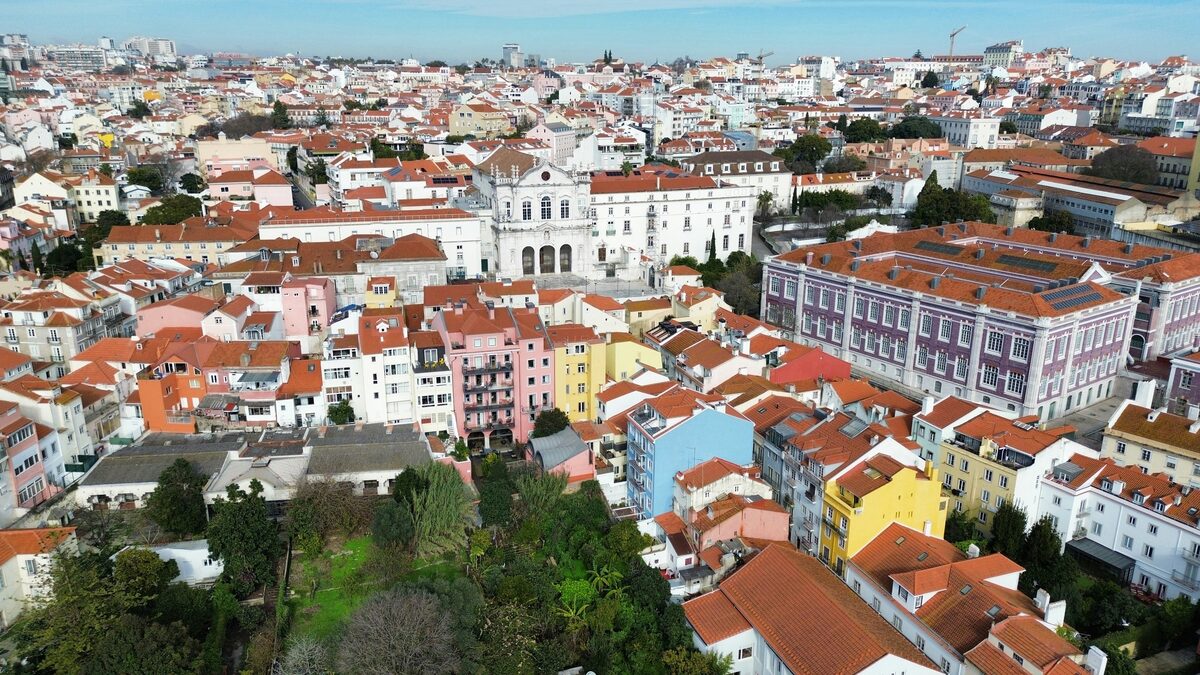
Lisbon, Portugal
Lisbon is not just a place to plug in a laptop. It is a city that rewards curiosity — pastel light on cobblestones, pastéis de nata at dawn, the kind of sunset over the Tagus that makes you forget what timezone you are in. Portugal ranks as the best all-rounder for digital nomads in 2026. Lisbon offers fast internet (100–300 Mbps), excellent food, walkable neighborhoods, and one of the largest nomad communities in Europe. The D8 Digital Nomad Visa requires proof of income of at least €3,680/month and grants 12 months with a path to residency.
- Internet: 100–300 Mbps fiber in most apartments and coworking spaces
- Coworking: Second Home, Heden, Outsite Lisbon (€150–250/month hot desks)
- Community: Weekly meetups, networking events, large expat scene
- Visa: D8 Digital Nomad Visa, 12 months renewable, path to residency
- Best for: Non-EU nomads wanting EU access and mature infrastructure
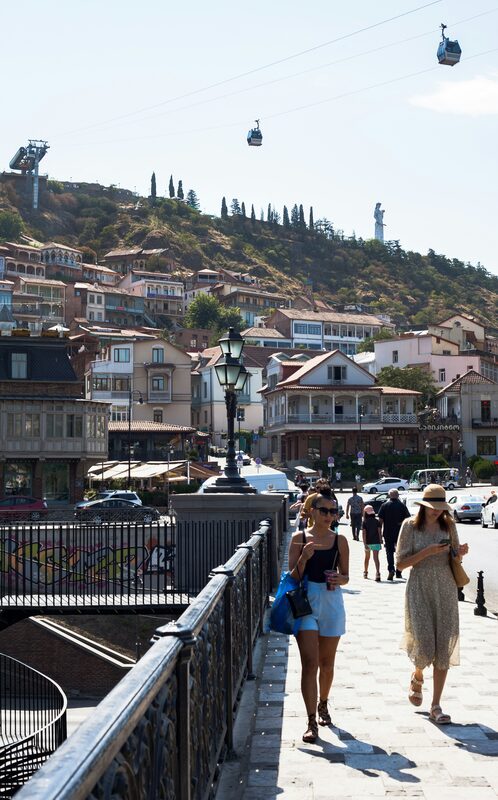
Tbilisi, Georgia
Tbilisi is the kind of city that changes your definition of value. Georgia offers the easiest legal stay for nomads — citizens of 95+ countries can stay visa-free for 365 days with no income requirements and no application fees. Tbilisi combines rock-bottom costs, extraordinary food and wine, and a growing tech scene. The 1% flat tax for registered entrepreneurs on foreign-source revenue under $55K is a major draw.
- Internet: 50–100 Mbps in city center; 1 Gbps home connections ~$15/month
- Coworking: Impact Hub, Fabrika (converted Soviet textile factory)
- Community: Smaller but growing tech meetup scene
- Visa: 365 days visa-free for most nationalities; e-visa available for others
- Best for: Bootstrappers, solo founders, tax optimization

Chiang Mai, Thailand
Chiang Mai is not a budget hack. It is a lifestyle experiment that works. Thailand's 5-year Destination Thailand Visa (DTV) launched in 2024 and has become the most popular Asia option. Chiang Mai offers world-class food, health, and wellness for extremely low costs. The nomad infrastructure is deeply established — you can find coworking spaces, meetups, and a supportive community anywhere in the city.
- Internet: 50–300 Mbps fiber in apartments; coworking spaces reliable
- Coworking: Punspace, CAMP at Maya Mall (free fast Wi-Fi), Hub53 (€85–140/month)
- Community: One of the largest nomad communities in Asia
- Visa: DTV 5-year multi-entry, 180 days/entry (500,000 THB provable income/funds). Note: the visa exemption for short stays drops to 30 days tourism-only from 15 Sep 2026 (Royal Gazette, 31 Aug 2026), with a 2-per-year land-border cap — the DTV is the clean long-stay route.
- Best for: Long-term Asia base with proper visa cover
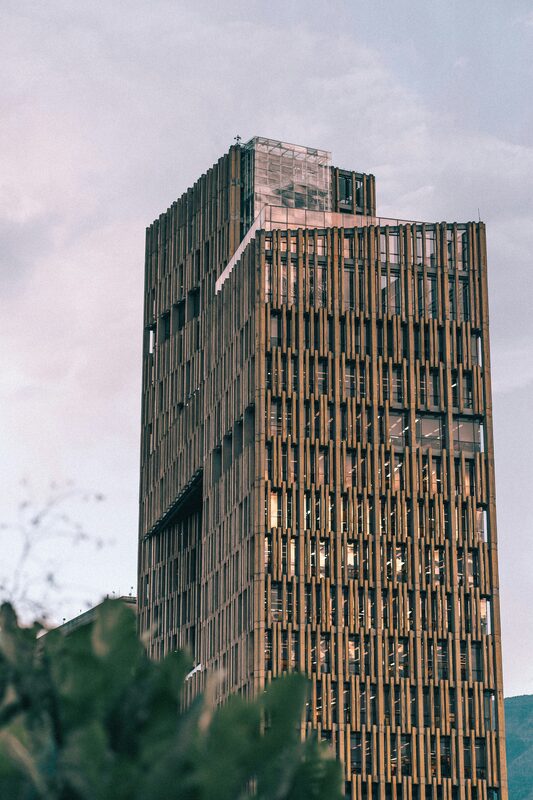
Medellín, Colombia
Medellín is a city that keeps surprising people who wrote it off. It combines perfect weather (eternal spring), a vibrant cultural scene, and one of the most affordable nomad hubs in Latin America. Colombia's Digital Nomad Visa requires proof of income of at least 3x the minimum wage (~$1,400/month) and is valid for two years. The city has excellent coworking options and a lively nomad community.
- Internet: 50–150 Mbps; fiber in modern apartments
- Coworking: Selina, WeWork, Tinkko, Epicentro (€75–150/month)
- Community: Large, active nomad scene with salsa, hiking, and weekend trips
- Visa: Digital Nomad Visa, 2 years, ~$1,400/month income requirement
- Best for: North American timezone alignment, tech scene, value
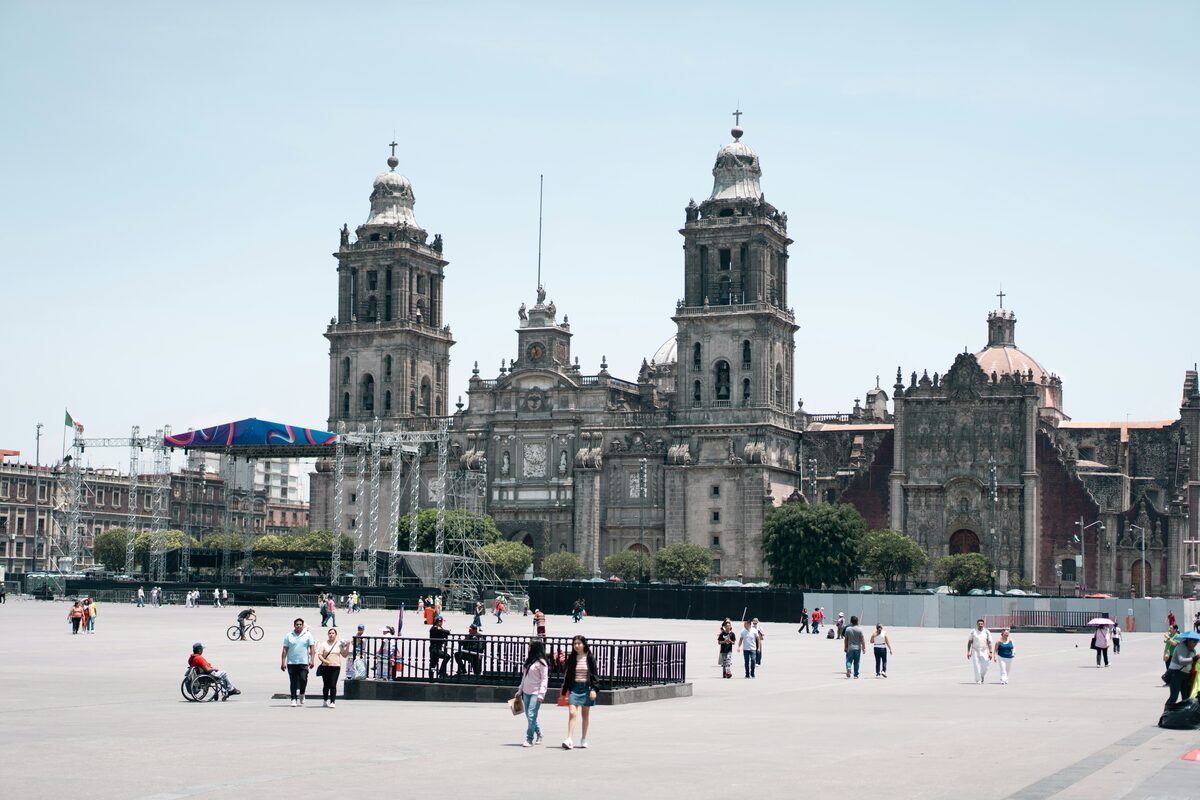
Mexico City, Mexico
Mexico City is not a place you work around. It is a place you work inside — surrounded by art, tacos at midnight, and a cultural energy that rewires how you think about North America. Mexico City is the strongest pick for North American nomads who want to keep their working hours. The city offers incredible food, culture, and value. Most Western passport holders get 180-day tourist visas on arrival. The Temporary Resident Visa (1–4 years) requires proof of income or savings and is applied for at a Mexican consulate outside Mexico.
- Internet: 50–150 Mbps; coworking spaces offer business-grade connections
- Coworking: WeWork, Selina, Nest (various neighborhoods)
- Community: Large nomad scene in Roma Norte, Condesa, and La Roma
- Visa: Temporary Resident Visa (1–4 years), ~$4,400/month income proof
- Best for: US/Canadian nomads, culture, food, timezone alignment
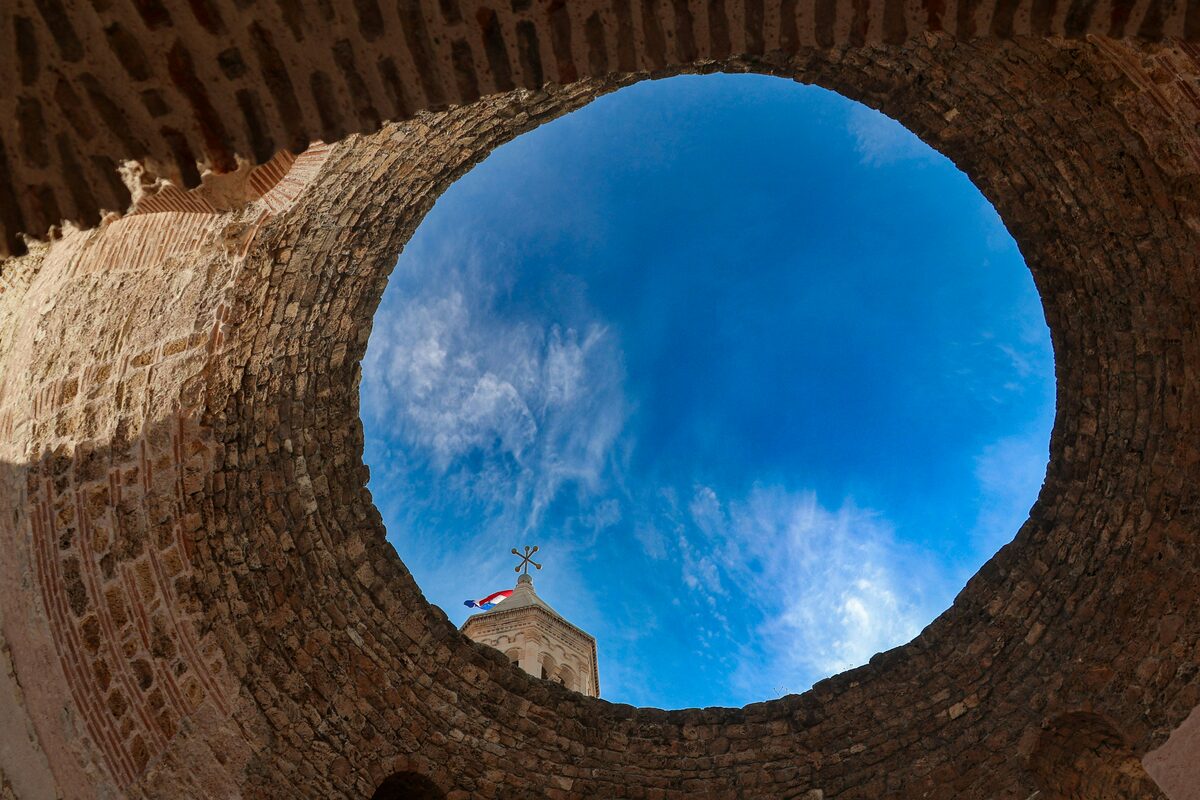
Split, Croatia
Split is where the Mediterranean stops being a vacation and starts being a lifestyle. Croatia joined the EU and Schengen in 2023, making it a strategic base for nomads who want European access without the high costs of Western Europe. Split offers island-hopping on weekends, sailing, hiking in the Dinaric Alps, and a growing food scene. The Digital Nomad Temporary Stay permit grants 1 year for non-EU workers.
- Internet: 100–300 Mbps fiber in central apartments
- Coworking: Garden Coworking, Saltwater Lab
- Community: Smaller but growing; peak in summer
- Visa: Digital Nomad Temporary Stay, 1 year, €3,622.50/month income
- Best for: EU access, Adriatic lifestyle, shoulder-season living

Bangkok, Thailand
Bangkok is not just a transit hub. It is a city that teaches you to slow down and speed up at the same time — street food at 6am, rooftop bars at midnight, and a chaos that somehow makes sense. Bangkok offers a more urban nomad experience than Chiang Mai, with world-class food, nightlife, and convenience. The DTV visa covers both cities. Internet is fast (100–300 Mbps in quality coworking spaces), and the city has every amenity you could need. It's more expensive than Chiang Mai but still very affordable by Western standards.
- Internet: 100–300 Mbps in quality coworking spaces
- Coworking: Hubba, The Hive, GCUBE
- Community: Large, diverse nomad and expat scene
- Visa: DTV 5-year multi-entry, 180 days/entry (500,000 THB provable income/funds). Note: the visa exemption for short stays drops to 30 days tourism-only from 15 Sep 2026 (Royal Gazette, 31 Aug 2026), with a 2-per-year land-border cap — the DTV is the clean long-stay route.
- Best for: Nomads who want city convenience with Asia's affordability
Phuket, Thailand
Phuket is not just a party island. It is the Andaman coast's best base for nomads who want island-hopping mornings and southern Thai food nights. The DTV visa covers Phuket, and the nomad infrastructure is growing — you will find coworking spaces in Old Town, fast fiber in most apartments, and a community of remote workers who chose beaches over traffic. Phuket complements Bangkok perfectly: one for the city energy, this one for the healing.
- Internet: 50–100 Mbps fiber in most modern apartments
- Coworking: Old Town Phuket, Karon coworking spaces
- Community: Smaller than Chiang Mai but growing beach-nomad scene
- Visa: DTV 5-year multi-entry, 180 days/entry (500,000 THB provable income/funds). Note: the visa exemption for short stays drops to 30 days tourism-only from 15 Sep 2026 (Royal Gazette, 31 Aug 2026), with a 2-per-year land-border cap — the DTV is the clean long-stay route.
- Best for: Nomads who want island access, healing, and lower costs than Bangkok

Budapest, Hungary
Budapest is a city that makes you feel like a protagonist in a story you did not know you were writing. Budapest offers a compelling mix of European architecture, thermal baths, ruin bars, and low costs. The city has fast internet (160 Mbps median), a growing coworking scene, and is in the Schengen zone. Hungary's Digital Nomad Visa is straightforward, and the cost of living is significantly lower than Western Europe.
- Internet: 160 Mbps median; 100+ Mbps in most apartments
- Coworking: KAPTAR, Mosaik, The Innovation Hub
- Community: Active nomad scene with regular events
- Visa: Digital Nomad Visa, 1 year, income requirement applies
- Best for: EU access on a budget, thermal baths, nightlife
Buenos Aires, Argentina
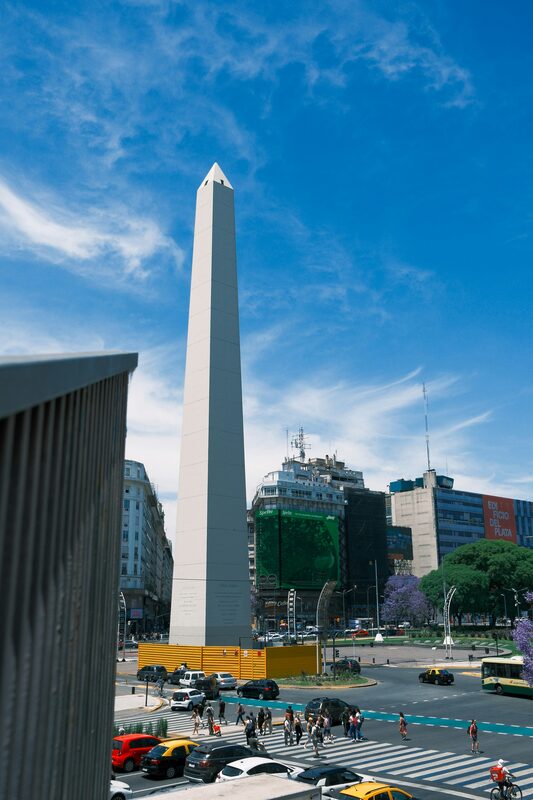
Buenos Aires is not just affordable. It is a city that insists you feel something — tango at midnight, Malbec at noon, neighborhoods that feel like Paris if Paris had been designed by people who love drama. Buenos Aires is one of the most affordable major nomad hubs in the world. The city offers European-style architecture, world-class steak and wine, a vibrant cultural scene, and a favorable exchange rate for USD earners. The Digital Nomad Visa is available for six months (renewable once) with no fixed minimum income; applicants must prove active remote work for foreign employers or clients.
- Internet: 50–150 Mbps; fiber expanding
- Coworking: Selina, WeWork, various local spaces
- Community: Established nomad and expat scene
- Visa: Digital Nomad Visa, 6 months renewable, no fixed minimum; prove active remote work
- Best for: Budget-conscious US-aligned timezone nomads
Cape Town, South Africa
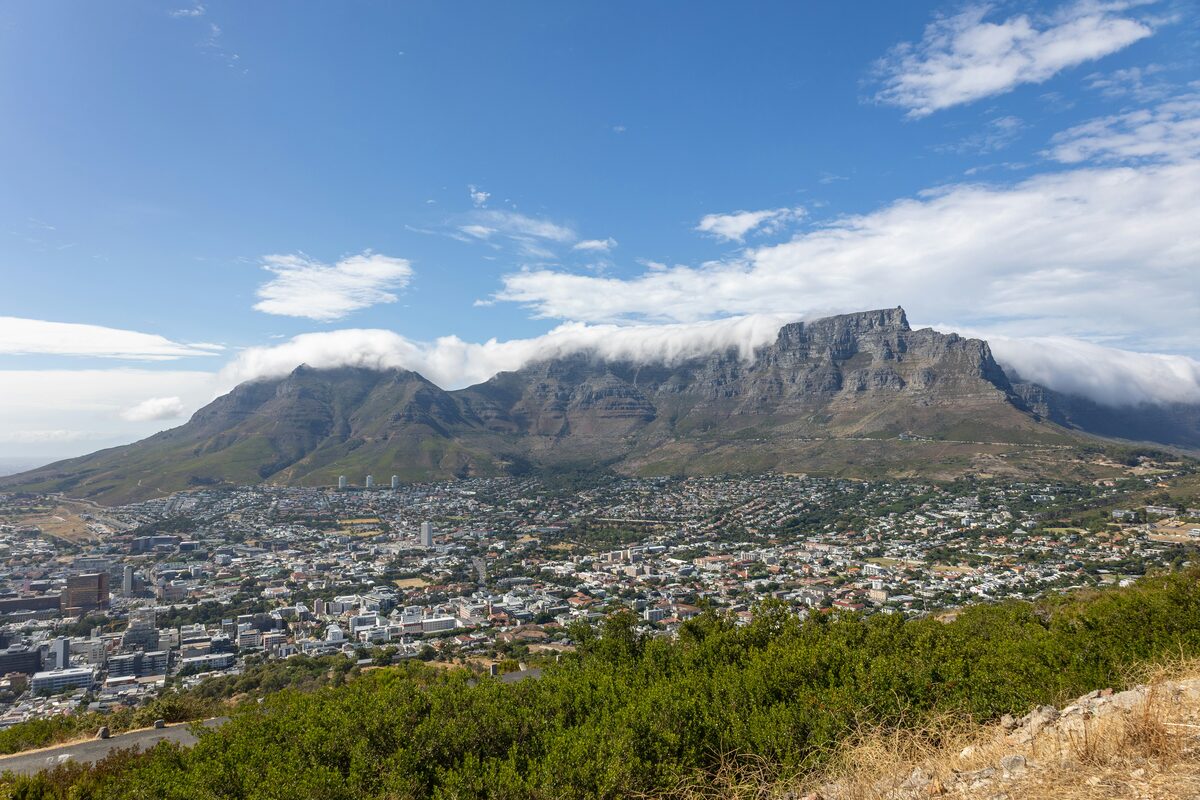
Cape Town is where you go when you want your morning commute to include a mountain. Cape Town offers stunning natural beauty — Table Mountain, beaches, wine regions — all within easy reach. The city has a growing nomad community, good internet (50–200 Mbps in quality spaces), and a favorable exchange rate. Most nationalities get 90-day tourist visas, with extensions possible.
- Internet: 50–200 Mbps; reliable in coworking spaces
- Coworking: Workshop17, Bandwidth Barn, The Bureaux
- Community: Active nomad scene with regular meetups
- Visa: Tourist visa 90 days, extendable; no formal DN visa yet
- Best for: Nature lovers, EU timezone, outdoor lifestyle

Kigali, Rwanda
Kigali is not just the gateway to mountain gorillas — it is one of Africa's cleanest, safest, and most organized capitals, with a growing tech ecosystem and a digital nomad community that is small but deeply committed. Rwanda offers a 30-day visa on arrival for most nationalities ($50), with extensions available. Kigali sits at 1,567m with eternal spring weather, has 4G coverage throughout, and is in the same timezone as Central Europe (CAT/UTC+2). The city is a gateway to Volcanoes National Park (2.5 hours) for the world's most accessible gorilla trekking, and Akagera NP for Big Five safaris. While Rwanda does not yet have a formal digital nomad visa, the tourist visa is straightforward and the government is actively courting remote workers.
- Internet: 50–150 Mbps fiber in Kigali; reliable in coworking spaces
- Coworking: Norrsken House, Impact Hub Kigali, Kigali Green Hub
- Community: Small but growing; weekly meetups at Norrsken
- Visa: 30-day tourist visa on arrival ($50), extendable; no formal DN visa yet
- Best for: Nature-first nomads, EU timezone alignment, gorilla trekking weekends, safe African base
Tulum, Mexico
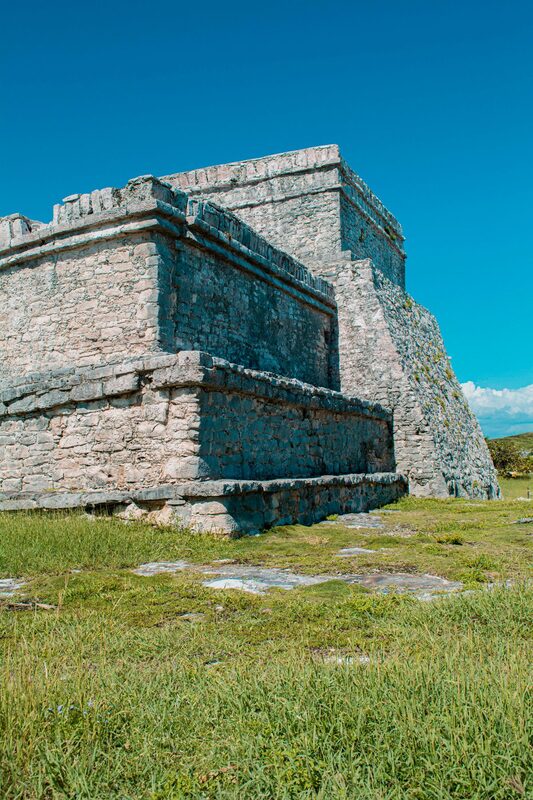
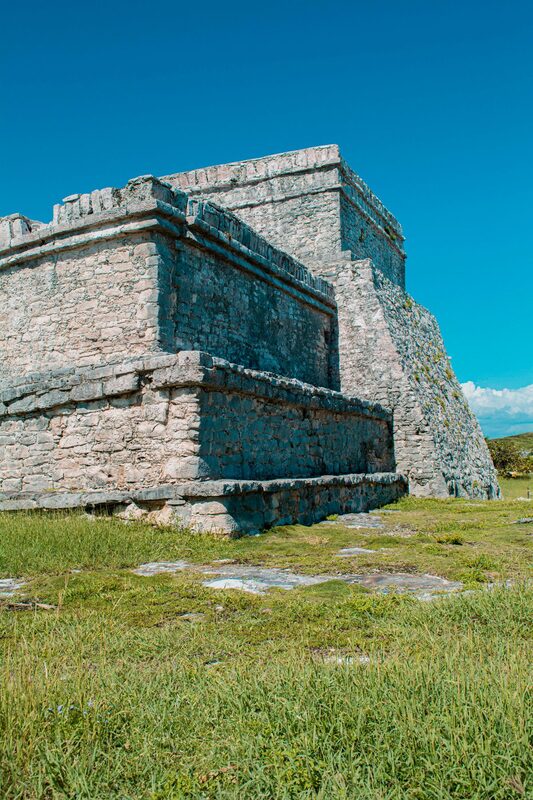
Tulum is not just a party destination. It is a place where the jungle meets the sea, and where many nomads come to reset their relationship with work. Tulum offers a slower pace than Mexico City, with yoga retreats, cenote diving, and a community focused on wellness and personal growth. The Temporary Resident Visa (1–4 years) requires proof of income or savings. Solo travelers find Tulum welcoming and safe, with plenty of coworking cafes and beachside workspaces.
- Internet: 50–100 Mbps; varies by location
- Coworking: Co-Working Tulum, The Sanctuary, various beachside cafes
- Community: Wellness-focused nomad scene; smaller than CDMX but tight-knit
- Visa: Temporary Resident Visa (1–4 years), ~$4,400/month income proof
- Best for: Solo travelers seeking healing, wellness, and nature

Canggu, Bali, Indonesia
Canggu is where digital nomadism meets personal transformation. Bali has been a destination for spiritual seekers long before it was on any nomad list. In Canggu, you will find yoga studios, organic cafes, surf schools, and a community of people who came for the lifestyle and stayed for the change in themselves. The lack of a proper digital nomad visa means you will be doing visa runs or tourist visa renewals, but many nomads accept that trade-off for the quality of life. Solo travelers find Bali incredibly social and safe.
- Internet: 50–100 Mbps; fiber in most modern apartments
- Coworking: Dojo Bali, Hubud, The Nomad Bali
- Community: One of the largest nomad communities in Asia; very social
- Visa: Tourist visa 30 days, extendable; no formal DN visa yet
- Best for: Solo travelers, wellness, culture, community

Hanoi, Vietnam
Hanoi is a city that demands you pay attention — motorbikes streaming through narrow streets, pho at dawn, French colonial architecture, and a pace that is overwhelming in the best possible way. Vietnam offers some of the lowest nomad costs in Asia. Hanoi is increasingly popular with solo travelers because it is safe, affordable, and deeply cultural. The lack of a digital nomad visa means you will be on tourist or business visas, but the cost savings are worth it for many.
- Internet: 50–200 Mbps in quality coworking spaces
- Coworking: Toong, CirCO, The Hanoi Hub
- Community: Growing nomad scene; very social and affordable
- Visa: Tourist visa 30 days, e-visa available; no formal DN visa yet
- Best for: Solo travelers, culture, food, budget living
Ho Chi Minh City, Vietnam
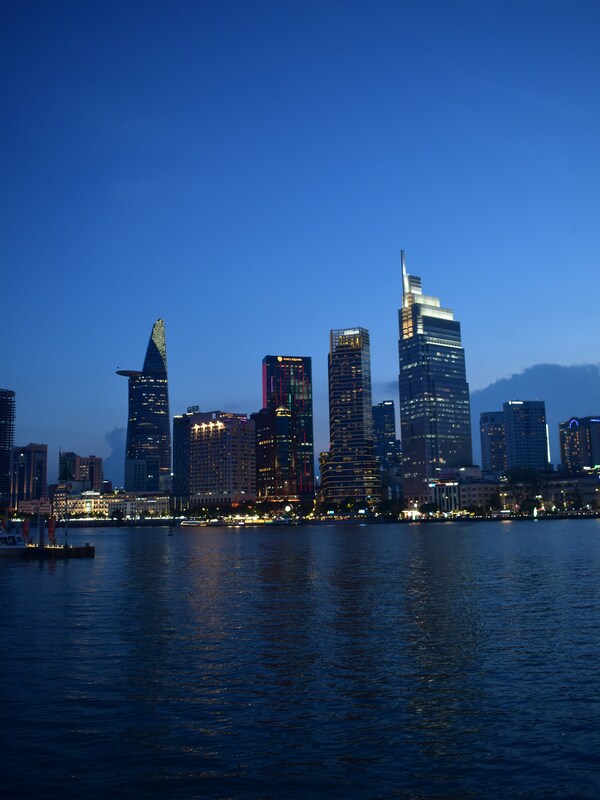
Ho Chi Minh City is Vietnam's economic engine and a nomad hub that rewards boldness. The city is chaotic, humid, and alive — motorbikes, street food, French colonial architecture, and a startup scene that is growing fast. For nomads who want the lowest costs in Southeast Asia with urban energy, HCMC is hard to beat. Solo travelers find it safe, affordable, and deeply social. The lack of a digital nomad visa means you will be on tourist or business visas, but the cost savings are significant.
- Internet: 50–150 Mbps; fiber in most apartments and coworking spaces
- Coworking: The Hive, Dreamplex, various nomad-friendly cafes
- Community: Large, active nomad and expat scene
- Visa: Tourist visa 30 days, e-visa available; no formal DN visa yet
- Best for: Solo travelers, culture, food, budget living, urban energy

Da Nang, Vietnam
Da Nang is Vietnam's most underrated nomad destination — a coastal city with clean beaches, mountain access, and a slower pace than Hanoi or Ho Chi Minh City. Da Nang offers the best of both worlds: urban convenience and nature. You can work from a cafe in the morning and surf or hike in the afternoon. The city is safe, affordable, and increasingly popular with solo travelers who want to avoid the chaos of HCMC while still having access to Vietnam's culture and food.
- Internet: 50–150 Mbps; improving rapidly
- Coworking: Toong, Dreamplex, various beachside cafes
- Community: Smaller but growing nomad scene; very welcoming
- Visa: Tourist visa 30 days, e-visa available; no formal DN visa yet
- Best for: Solo travelers, beach, nature, budget living, work-life balance
Gran Canaria, Spain
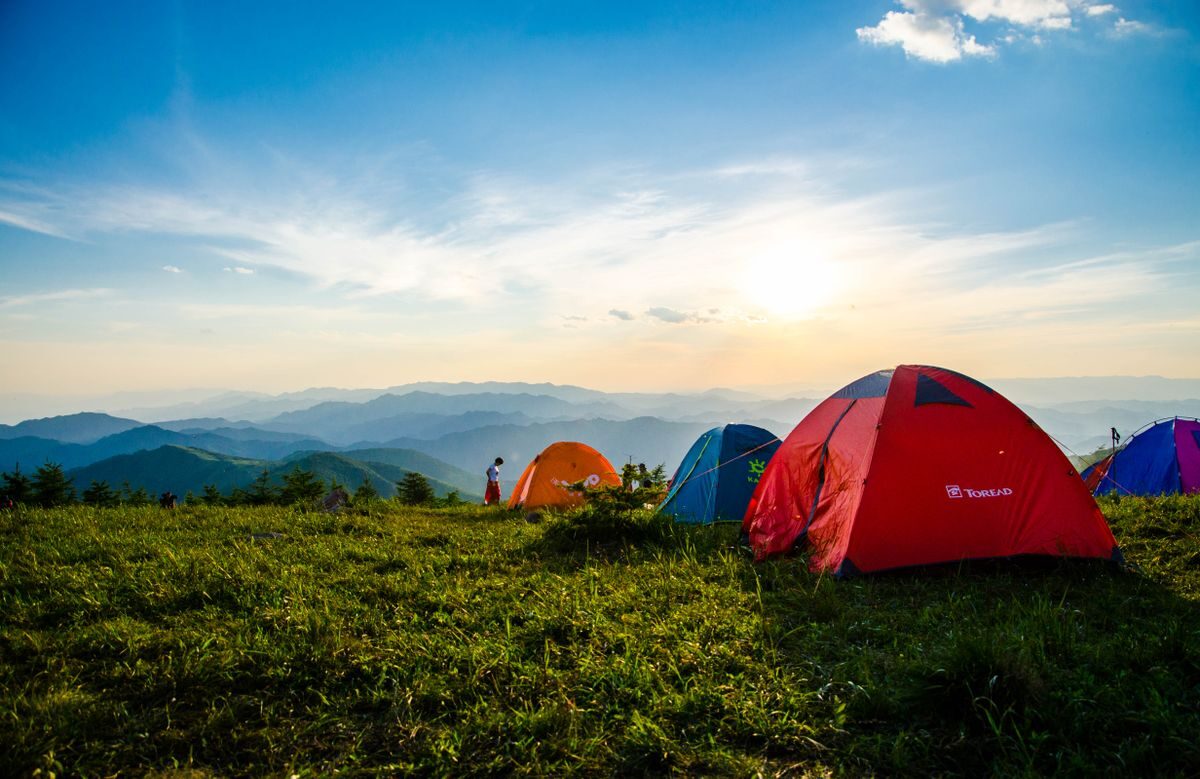
Gran Canaria is not just a beach island. It is a continent in miniature — mountains, forests, deserts, and beaches all within an hour's drive. For nomads who want EU access, Spanish digital nomad visa eligibility, and outdoor adventure, Gran Canaria is a hidden gem. The island has a growing nomad community, excellent weather year-round, and a slower pace than mainland Spain. Solo travelers find it safe and welcoming, with plenty of hiking and nature experiences.
- Internet: 100–300 Mbps fiber in most apartments
- Coworking: Coworking Casa, La Casa de la Playa, various nomad hubs
- Community: Small but growing nomad scene; very friendly to newcomers
- Visa: Spanish Digital Nomad Visa, 3 years, €2,849/month income
- Best for: Solo travelers, nature, hiking, EU access
Valencia, Spain
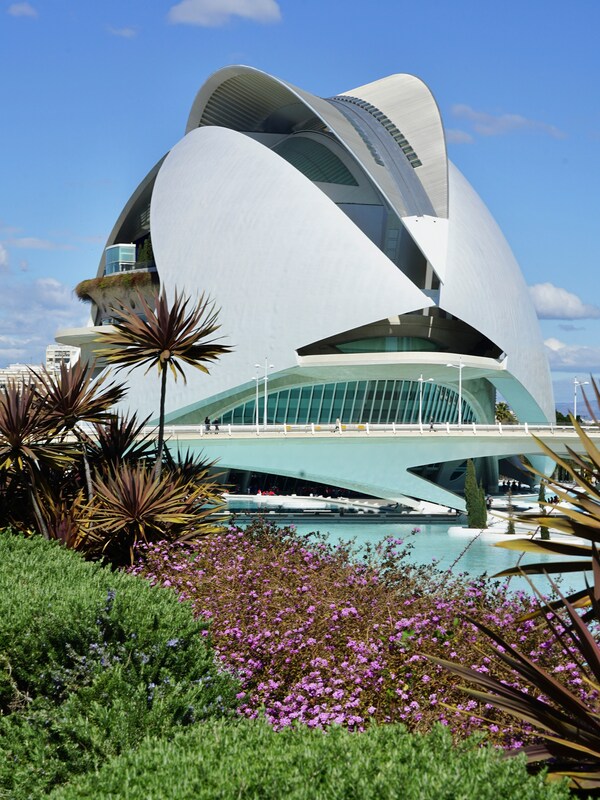
Valencia is the Spanish city that time forgot — in the best possible way. It has the architecture of Barcelona, the beach of Barcelona, and the food of Barcelona, but without the crowds or the prices. For nomads who want EU access and a proper digital nomad visa, Valencia is one of the best value options in Western Europe. The city has excellent infrastructure, a growing nomad scene, and a slower pace that makes it easy to settle in. Solo travelers find it very walkable and social.
- Internet: 100–300 Mbps fiber in most apartments
- Coworking: Wayco, Los Habaneros, various nomad-friendly spaces
- Community: Active nomad and expat scene; regular events
- Visa: Spanish Digital Nomad Visa, 3 years, €2,849/month income
- Best for: Solo travelers, culture, food, EU access

Tokyo, Japan
Tokyo is not just a transit hub. It is a masterclass in contrasts — neon-lit Shibuya crossings at midnight, ancient Senso-ji temple at dawn, and a level of public infrastructure that makes other capitals look underdeveloped. Japan's Digital Nomad Visa (Designated Activities) launched in April 2024 and allows stays of up to six months for remote workers earning at least ¥10,000,000/year (~$67,000–70,000). The visa is non-renewable, but the experience of living in Tokyo is transformative enough that many nomads return again and again.
- Internet: 100–300 Mbps fiber in most apartments; coworking spaces excellent
- Coworking: WeWork, The Hive, Campfire, various Tokyo hubs
- Community: Growing nomad scene; English widely spoken in business districts
- Visa: Digital Nomad Visa (Designated Activities), 6 months, non-renewable, ~$67,000/year income
- Best for: High-earning nomads seeking world-class infrastructure and cultural depth
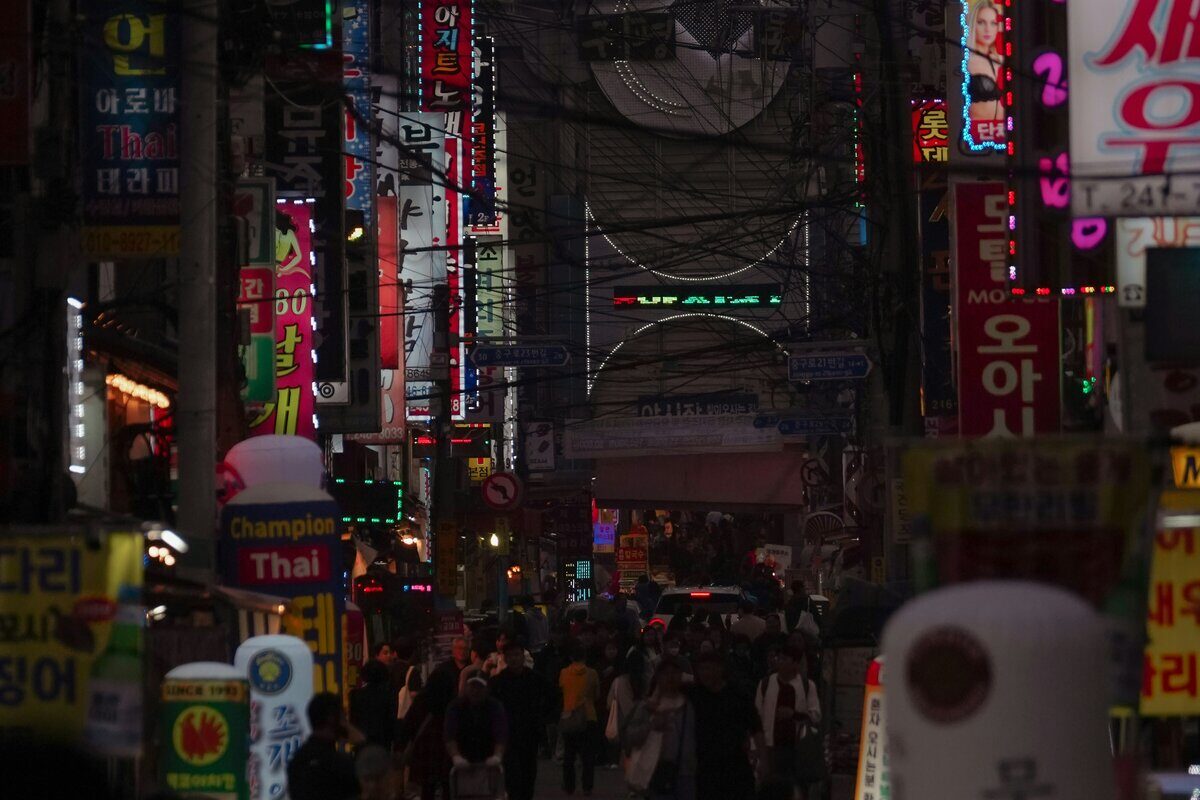
Seoul, South Korea
Seoul is where ancient palace walls stand blocks from glass-walled tech campuses, and where the future of digital nomadism in Asia is being written. South Korea officially launched its F-1-D digital nomad visa on June 30, 2026, after a successful two-year pilot. The visa grants up to 3 years of stay, with lowered income thresholds for younger nomads (18–34) who base outside Seoul. Applicants must earn at least Korea's per-capita GNI (~$36,963 in 2025) or up to 2x that amount depending on age and region.
- Internet: 100–300 Mbps fiber; some of the fastest in Asia
- Coworking: WeWork, Fastfive, various Gangnam and Hongdae hubs
- Community: Rapidly growing nomad and startup scene
- Visa: F-1-D Workation Visa, 3 years, ~$36,963–$73,926/year depending on age/region
- Best for: Tech-focused nomads, K-culture fans, long-term Asia base
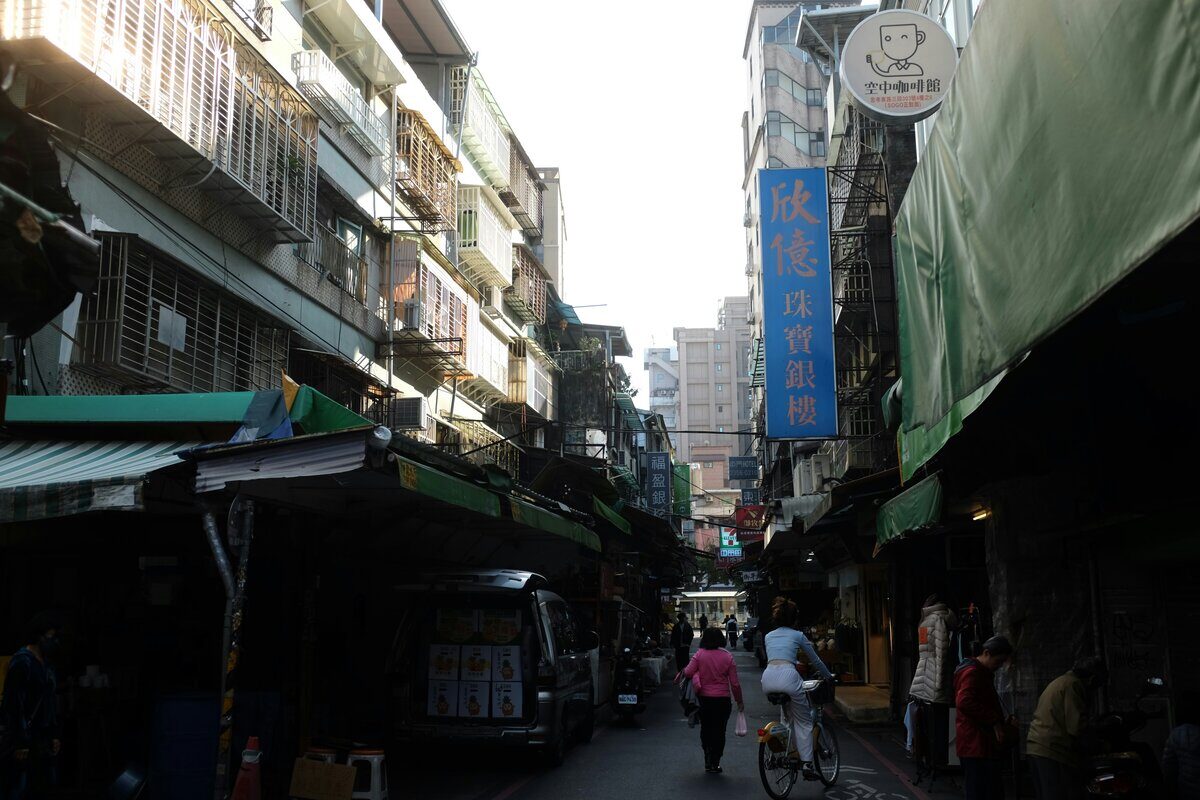
Taipei, Taiwan
Taipei is the Southeast Asian capital that time forgot — in the best possible way. It has the food obsession of Bangkok, the tech infrastructure of Tokyo, and the affordability of Hanoi, all wrapped in a culture of legendary hospitality. Taiwan extended its Digital Nomad Visa to two years in January 2026, with age-tiered income requirements: applicants 30+ need $40,000/year, while those 20–29 qualify at just $20,000/year. The island also has dedicated coworking spaces for nomads and a remarkably low cost of living for a developed economy.
- Internet: 100–300 Mbps fiber in most apartments
- Coworking: Innov'e Coworking, AppWorks, various Taipei hubs
- Community: Welcoming nomad scene; English widely spoken in business areas
- Visa: Digital Nomad Visa, 2 years (6-month increments), $20,000–$40,000/year income
- Best for: Younger nomads, food lovers, long-term Asia base with low costs
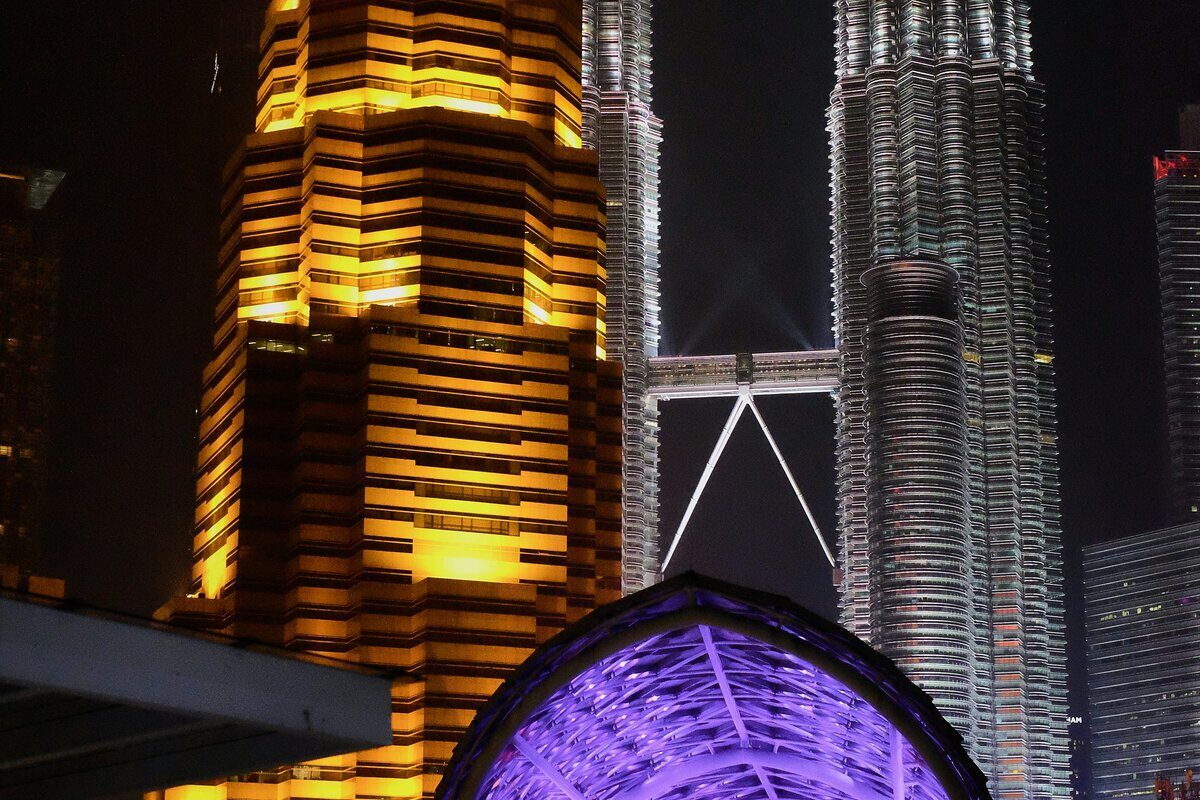
Kuala Lumpur, Malaysia
Kuala Lumpur is Southeast Asia's most underrated nomad hub — a gleaming, multicultural metropolis where Malay, Chinese, and Indian cultures collide in the most delicious ways. Malaysia's DE Rantau Nomad Pass is specifically designed for tech professionals, requiring just $2,000/month income for a 12-month stay. KL offers modern infrastructure, universal English, world-class food, and costs that are 30–40% lower than Singapore. The city is also a strategic base for exploring the rest of Southeast Asia.
- Internet: 100–300 Mbps fiber; reliable in coworking spaces
- Coworking: Common Ground, WORQ, The Hive KL
- Community: Growing nomad scene; very English-friendly
- Visa: DE Rantau Nomad Pass, 12 months, $2,000/month for tech professionals
- Best for: Tech nomads, English speakers, value seekers, long-term base
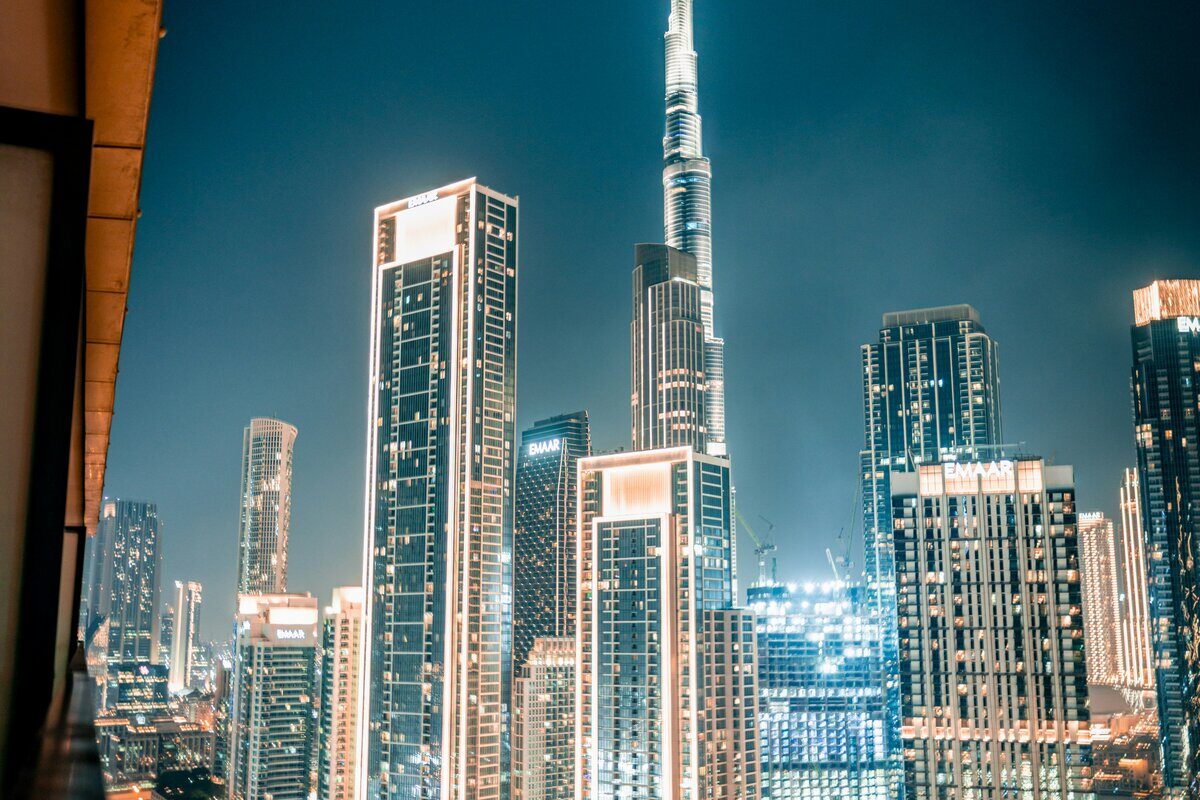
Dubai, UAE
Dubai is not just a stopover. It is a deliberate base for nomads who want zero personal income tax, world-class infrastructure, and a strategic location between Europe, Asia, and Africa. The UAE's Virtual Working Programme grants 1 year of residency to remote workers earning at least $5,000/month. Dubai has tightened its requirements in 2026 — raising the income floor and quintupling health insurance coverage — but it remains the premium option for nomads who want tax efficiency and luxury. The city is a hub for global travel, with one of the world's best-connected airports.
- Internet: 300–500 Mbps fiber; among the fastest in the world
- Coworking: WeWork, The Office, various DIFC and Marina hubs
- Community: Large expat and nomad scene; very international
- Visa: Virtual Working Programme, 1 year renewable, $5,000/month income, 0% tax
- Best for: High earners, tax optimization, global travelers, luxury lifestyle
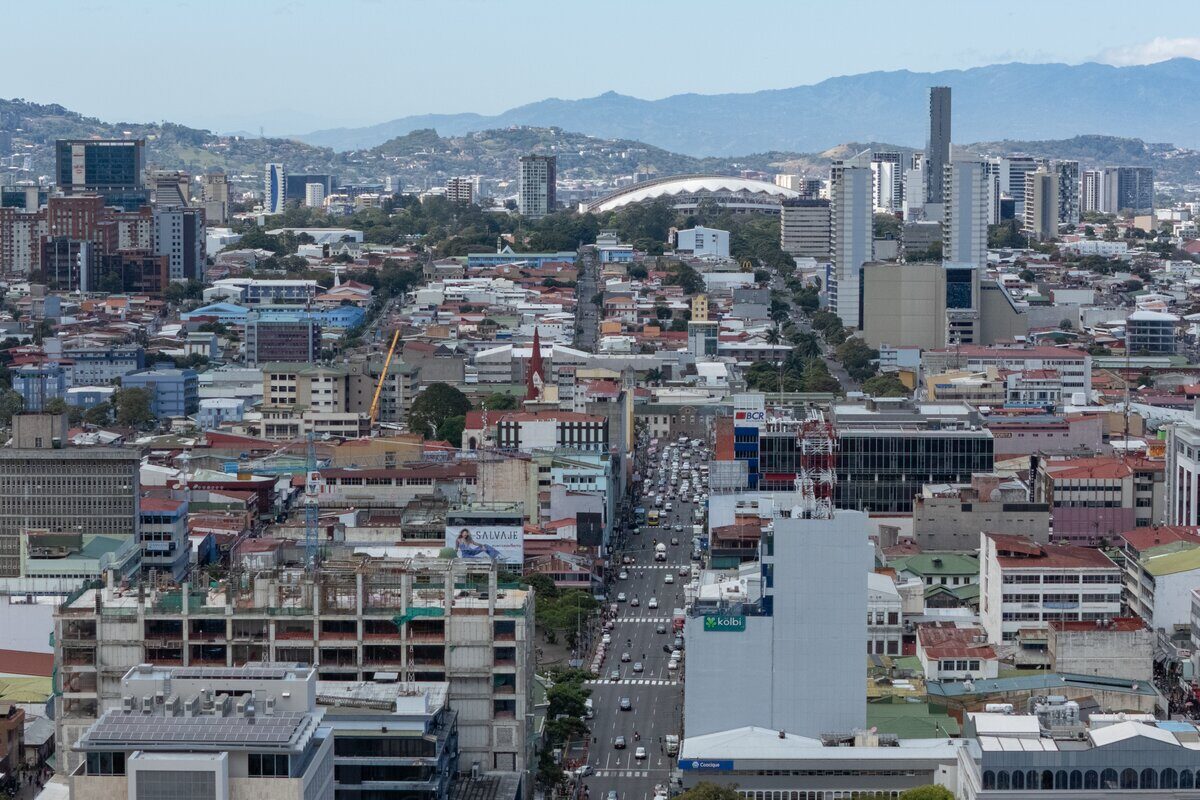
San José, Costa Rica
Costa Rica is the pura vida of digital nomadism — a country that genuinely understands the work-life balance equation. The Digital Nomad Visa (Ley 10008) grants 1 year, renewable once, with a $3,000/month income requirement and a 0% tax rate on foreign-source income for the full 24-month span. Costa Rica is politically stable, English-friendly, and packed with nature reserves, surfing, hiking, and a well-established expat community. The application fee is just $100, making it one of the cheapest formal nomad visas available.
- Internet: 50–150 Mbps; improving in major hubs
- Coworking: Selina, The Campus, various San José and coastal spots
- Community: Established expat and nomad scene; very welcoming
- Visa: Digital Nomad Visa (Ley 10008), 1 year renewable, $3,000/month, 0% tax on foreign income
- Best for: Nature lovers, families, English speakers, straightforward visa process
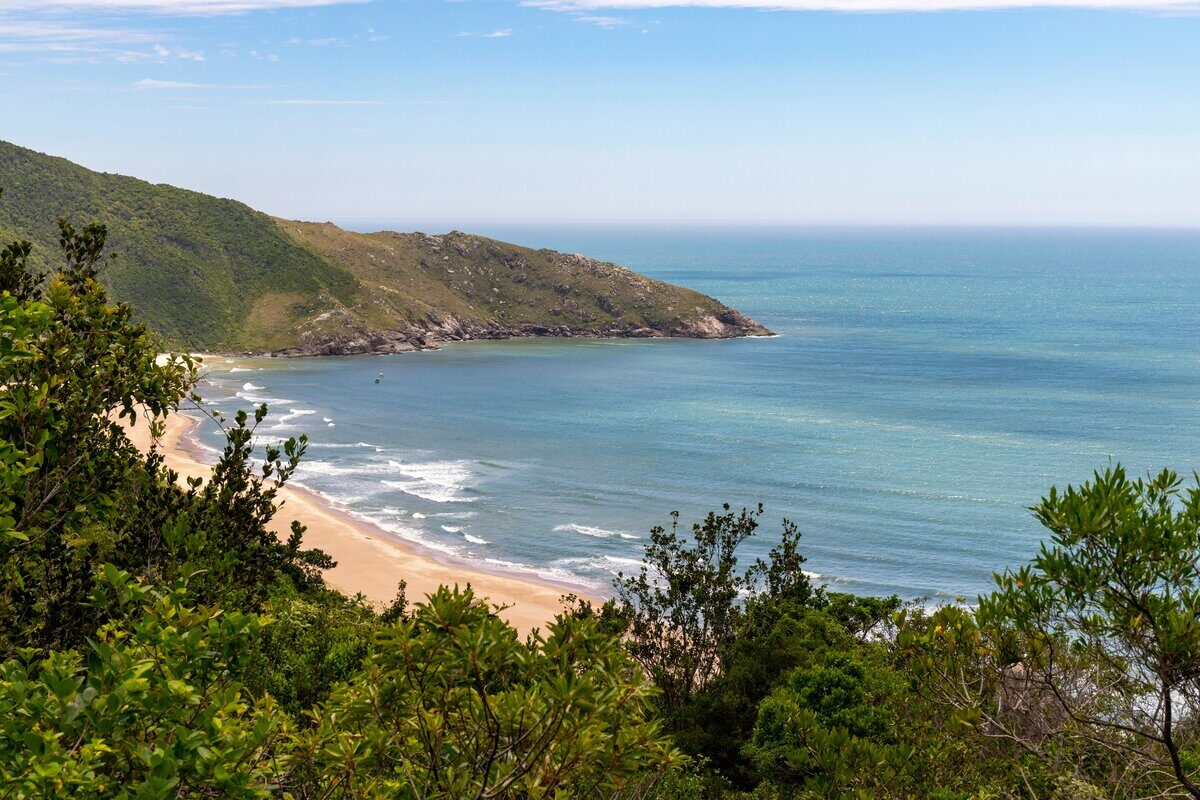
Florianópolis, Brazil
Florianópolis is Brazil's answer to the nomad dream — an island-city with 42 beaches, a burgeoning tech scene, and a quality of life that rivals much more expensive destinations. Brazil's VITEM XIV Digital Nomad Visa allows 1 year of stay (renewable), requires just $1,500/month income, and permits in-country status changes from tourist visas. As of 2026, Brazil has also simplified the process for digital nomads, making it one of the most accessible South American options. The city is safe, social, and surrounded by some of the best beaches in the continent.
- Internet: 50–150 Mbps; fiber expanding in tech hubs
- Coworking: WeWork, Selina, various Floripa tech spaces
- Community: Growing nomad and startup scene; very social
- Visa: VITEM XIV Digital Nomad Visa, 1 year renewable, $1,500/month income
- Best for: Beach lovers, budget nomads, South America base
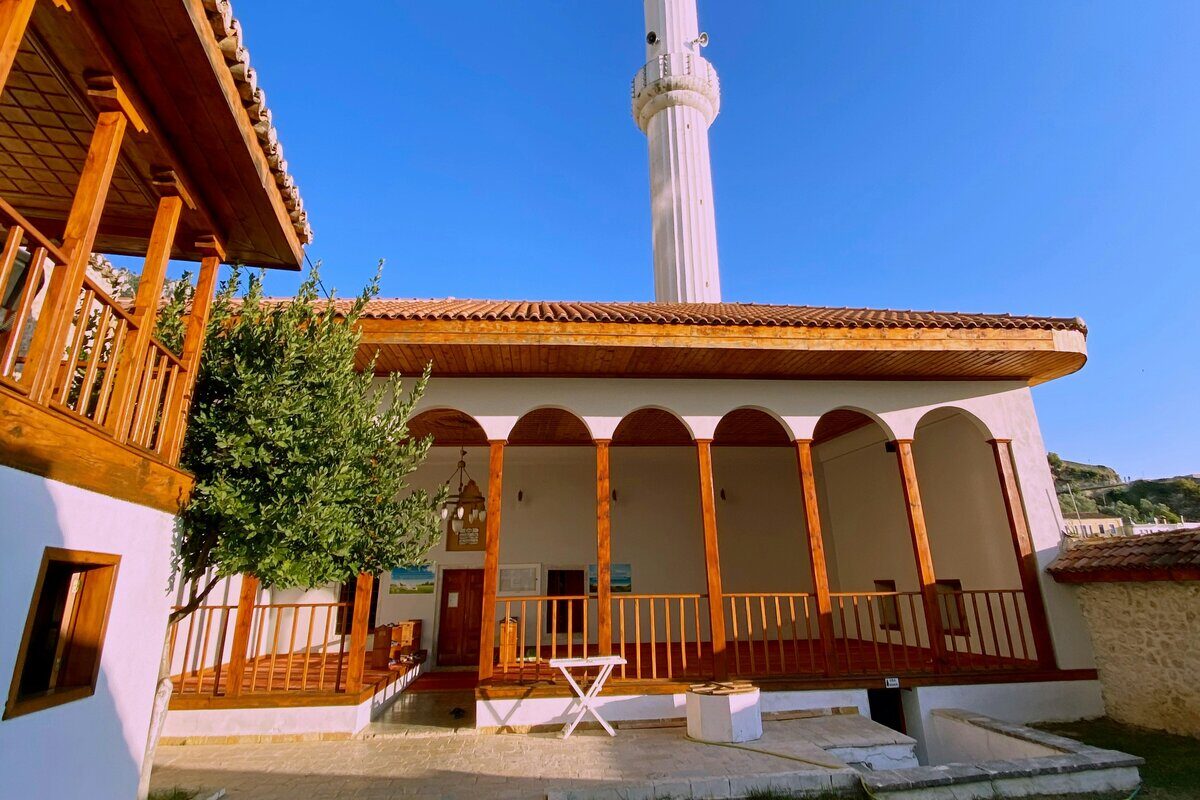
Tirana, Albania
Tirana is Europe's best-kept secret — a vibrant, youthful capital where espresso bars outnumber traffic lights, and the Albanian Riviera is a short drive away. Albania's Unique Permit offers the lowest income threshold in Europe at just €817/month, with 1-year stays and full foreign-income tax exemption. The country has been quietly building its nomad infrastructure, with coworking spaces, English-speaking locals, and some of the cheapest costs on the continent. The Albanian Riviera in summer is comparable to Croatia but at half the price.
- Internet: 50–100 Mbps in city center; improving rapidly
- Coworking: Tirona, The COW, various Tirana hubs
- Community: Small but welcoming nomad scene; very affordable
- Visa: Unique Permit, 1 year renewable, €817/month income, 100% foreign income exempt
- Best for: Budget-conscious nomads, EU exploration, beach and mountain access
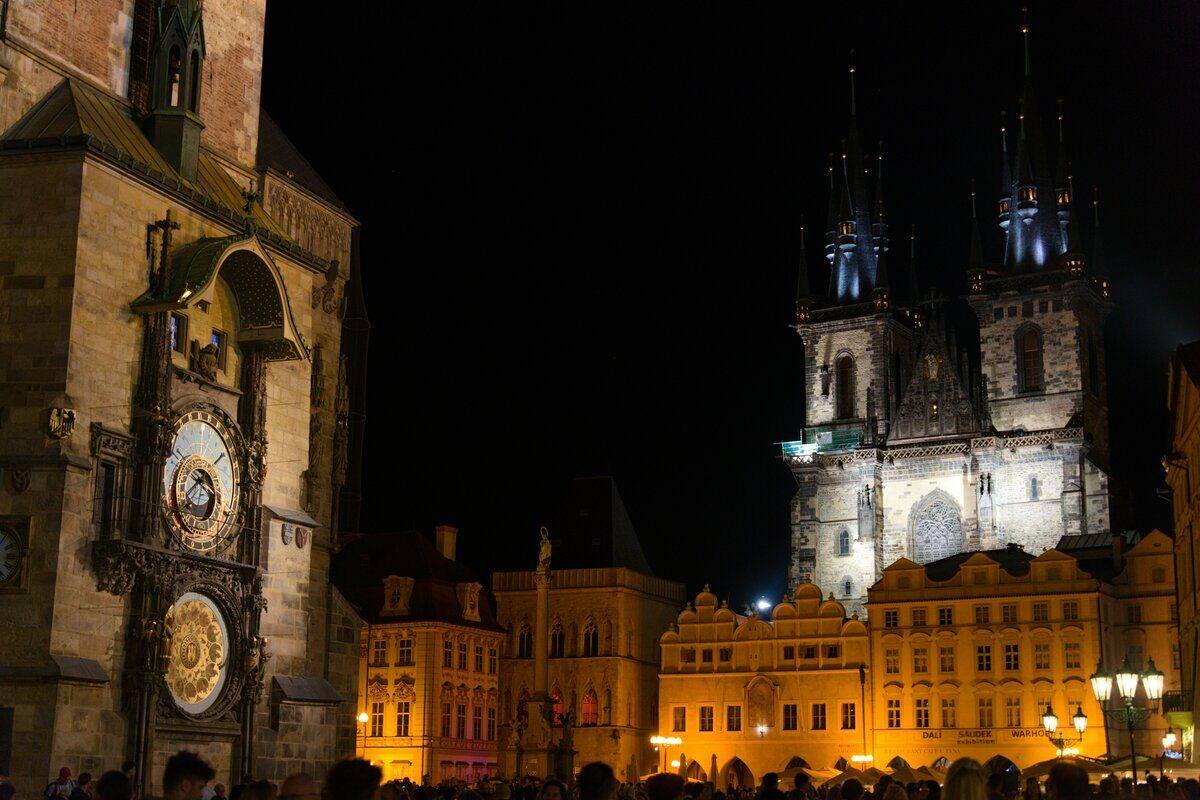
Prague, Czech Republic
Prague is the Czech capital that makes you believe in European romance — gothic spires, cobblestone alleys, beer cheaper than water, and a cost of living that is 40–50% lower than Western Europe. The Czech Digital Nomad Visa grants 1 year with income requirements around €2,600–€2,800/month (1.5x average salary). Prague ranked #1 best city for digital nomads in 2026 by Nomad Almanac, thanks to its gigabit fiber, low costs, and thriving startup scene. The city is also a strategic base for exploring the rest of Central Europe.
- Internet: 100–300 Mbps gigabit fiber; among the fastest in Europe
- Coworking: Impact Hub, Locus Workspace, various Prague hubs
- Community: Large expat and nomad scene; many English speakers
- Visa: Digital Nomad Visa, 1 year, ~€2,600–€2,800/month income
- Best for: EU access, culture, low costs, fast internet

Hoi An, Vietnam
Hoi An is Vietnam's most enchanting town — a UNESCO-listed ancient port where yellow-walled merchant houses line lantern-lit streets, and where the cost of living is so low that many nomads live like royalty on $1,000/month. Hoi An is the #2 fastest-growing nomad hotspot in 2026 (+80% growth), thanks to its combination of affordability, safety, culture, and a growing coworking scene. The town is perfect for nomads who want to slow down, focus on work, and immerse themselves in Vietnamese culture without the chaos of Hanoi or Ho Chi Minh City.
- Internet: 50–100 Mbps; improving with new fiber installations
- Coworking: CoCo Nomad, The Hoi An Hub, various cafe spaces
- Community: Tight-knit nomad scene; very social and welcoming
- Visa: Tourist visa 30 days, e-visa available; no formal DN visa yet
- Best for: Budget nomads, culture lovers, slow travel, creative work
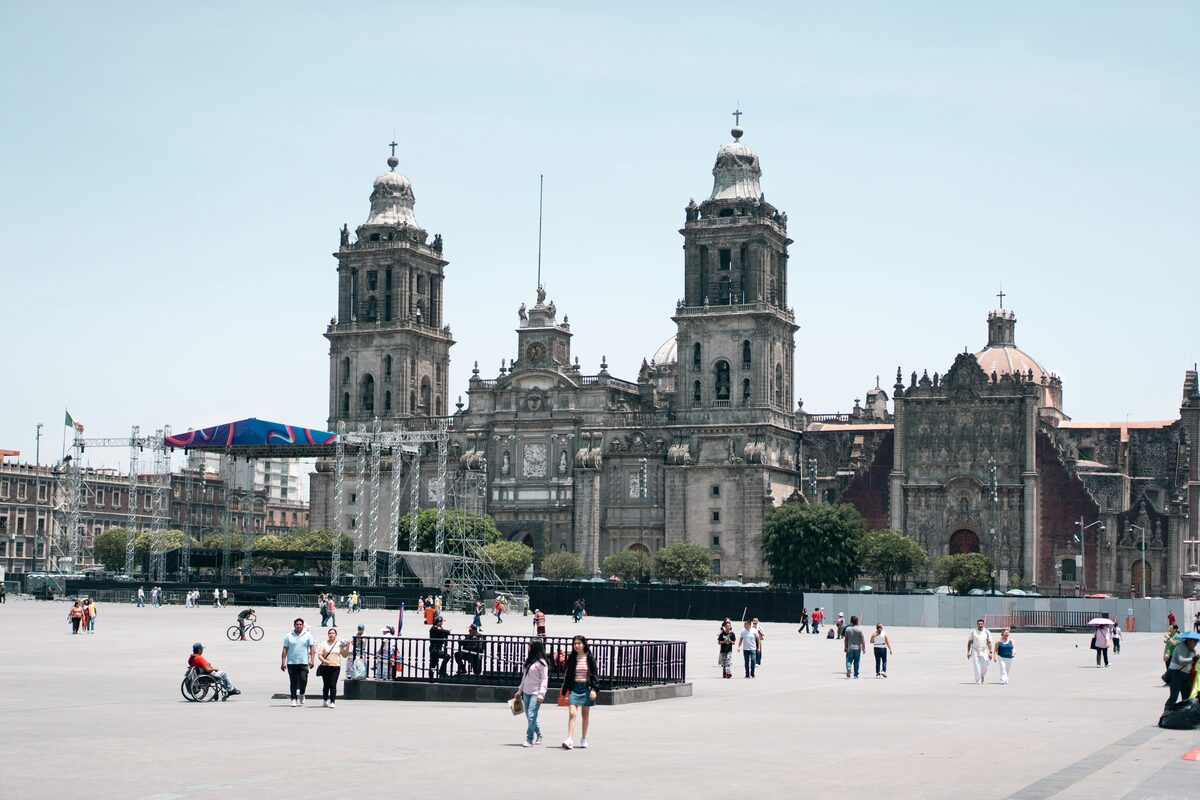
Bacalar, Mexico
Bacalar is the "Maldives of Mexico" that TikTok discovered in 2026 — and it is not just an aesthetic trend. This is a real nomad destination with a growing coworking scene, affordable boutique accommodations, and a slower pace than Tulum or Playa del Carmen. The Lagoon of Seven Colors is the centerpiece: freshwater cenotes, overwater hammocks, and sunrise paddleboarding without the crowds. Mexico's Temporary Resident Visa (1–4 years) applies here, with ~$4,400/month income proof or ~$73,000 savings. Bacalar is ideal for nomads who want Caribbean vibes without the Caribbean price tag or the party atmosphere.
- Internet: 50–100 Mbps; improving rapidly with new fiber
- Coworking: Bacalar Cowork, various cafe spaces
- Community: Small but tight-knit; very welcoming to digital nomads
- Visa: Temporary Resident Visa (1–4 years), ~$4,400/month income proof
- Best for: Budget nomads, wellness seekers, TikTok-inspired slow travel

Bulgaria (Sofia / Bansko)
Bulgaria is 2026's quiet nomad revolution. The country introduced a dedicated digital nomad residence scheme in 2026, joined the Schengen Area in 2025, and adopted the euro in January 2026. Sofia offers some of the fastest internet in Europe at some of the lowest prices on the continent. Bansko, the mountain town, has been a nomad staple for years — cheap, scenic, and community-driven. The new digital nomad visa requires proof of remote work and income of at least €31,000/year (~50 Bulgarian minimum monthly wages). It is valid for 1 year, renewable once. Bulgaria cannot serve Bulgarian clients while on this permit, but for foreign remote workers, it is an exceptionally affordable EU base.
- Internet: 100–300 Mbps fiber; gigabit available in Sofia
- Coworking: Bansko Tech Park, Sofia Cowork, various Bansko hubs
- Community: Bansko has one of Europe's most established nomad communities; Sofia's scene is growing fast
- Visa: Digital Nomad Residence Permit, 1 year renewable, €31,000/year income
- Best for: EU access on a budget, mountain lifestyle, tax optimization

Montenegro (Kotor / Žabljak / Podgorica)
Montenegro is 2026's most compelling nomad value in Europe. A country smaller than Connecticut, it packs an Adriatic coast rivaling Croatia at half the price, Alpine mountains for hiking and skiing in Durmitor, and a digital infrastructure that improved dramatically after joining the Stabilisation and Association Agreement with the EU. Podgorica offers reliable fiber internet, while coastal towns like Kotor and Budva have coworking spaces and a growing expat community. Currency is the Euro (legally adopted since 2003). A digital nomad residence permit (1–4 years) requires proof of income around €1,000+ per month, with a fast-track process for remote workers. EU accession is targeted for 2028, which means infrastructure investment is accelerating. The Bay of Kotor offers a stunning office-with-a-view, while Žabljak in Durmitor National Park provides a mountain retreat for focused work. US State Department rates Montenegro Level 1 (Exercise Normal Precautions) — the safest rating in Europe.
- Internet: 100–500 Mbps fiber in Podgorica and major towns; 4G/5G coverage 95% of populated areas
- Coworking: Bits & Books (Podgorica), Kotor Coworking Hub, Impact Hub Podgorica ($50–100/month hot desks)
- Community: Small but tight-knit; weekly meetups in Podgorica and Kotor
- Visa: Temporary Stay for Digital Nomads, 1 year renewable, proof of income €1,000+ required
- Best for: Budget nomads, nature-focused remote work, Adriatic coast lifestyle, EU access play

Sal, Cape Verde
Sal is Cape Verde's most accessible island — 5–6 hours from Europe, 350 days of sunshine, and the only swimmable beach in the archipelago (Santa Maria). The EASE pre-registration + TSA (€31) grants 30 days visa-free for 61 nationalities (EU/UK/US included). From July 1 2026, no pre-registration = double TSA at border. Santa Maria has 4G/5G, fiber in resorts (50–100 Mbps), and a growing nomad scene. The trade winds (Dec–Apr) make it a world-class kitesurfing base. Flights to São Vicente (50 min) open up Mindelo's cultural scene. No dedicated nomad visa yet, but the 30-day exemption + EASE renewal works for slow travel.
- Internet: 4G/5G island-wide; 50–100 Mbps fiber in Santa Maria resorts; coworking emerging
- Coworking: Hotel business centers, cafes in Santa Maria; dedicated spaces planned 2026
- Community: Small but growing; kitesurf/windsurf crowd overlaps with nomads
- Visa: EASE pre-registration + €31 TSA, 30 days visa-free (61 nationalities); no dedicated nomad visa
- Best for: Winter sun, water sports, low-friction Atlantic base, island-hopping from Sal
Cost of Living Comparison
Monthly costs for a single digital nomad living a moderate lifestyle (private accommodation, coworking, eating out regularly, activities). Figures are 2026 estimates.
| Destination | Monthly Budget | Accommodation | Food | Coworking | Transport | Internet |
|---|---|---|---|---|---|---|
| Da Nang, Vietnam | $1,000 | $350 | $220 | $70 | $40 | $30 |
| Hanoi, Vietnam | $1,150 | $406 | $240 | $80 | $50 | $30 |
| Ho Chi Minh City, Vietnam | $1,200 | $450 | $280 | $90 | $50 | $30 |
| Chiang Mai, Thailand | $1,325 | $410 | $295 | $100 | $60 | $25 |
| Bali (Canggu), Indonesia | $1,400 | $466 | $301 | $120 | $80 | $30 |
| Tbilisi, Georgia | $1,525 | $599 | $299 | $100 | $50 | $15 |
| Medellín, Colombia | $1,525 | $603 | $297 | $120 | $80 | $40 |
| Budapest, Hungary | $1,800 | $600 | $330 | $120 | $80 | $50 |
| Bangkok, Thailand | $1,750 | $722 | $332 | $120 | $80 | $30 |
| Valencia, Spain | $1,950 | $800 | $400 | $120 | $80 | $50 |
| Mexico City, Mexico | $2,175 | $1,140 | $334 | $150 | $100 | $40 |
| Gran Canaria, Spain | $2,200 | $900 | $450 | $130 | $100 | $50 |
| Tulum, Mexico | $2,200 | $1,000 | $450 | $130 | $100 | $40 |
| Split, Croatia | $2,547 | $949 | $508 | $150 | $100 | $50 |
| Lisbon, Portugal | $2,575 | $1,287 | $415 | $180 | $120 | $50 |
| Buenos Aires, Argentina | $1,200 | $500 | $280 | $100 | $60 | $30 |
| Cape Town, South Africa | $1,400 | $550 | $260 | $90 | $70 | $40 |
| Hoi An, Vietnam | $900 | $250 | $180 | $60 | $30 | $20 |
| Tirana, Albania | $1,000 | $300 | $200 | $70 | $40 | $25 |
| Prague, Czech Republic | $2,200 | $750 | $380 | $130 | $90 | $50 |
| Kuala Lumpur, Malaysia | $1,500 | $550 | $280 | $90 | $60 | $30 |
| Tokyo, Japan | $3,200 | $1,400 | $500 | $180 | $120 | $50 |
| Seoul, South Korea | $2,600 | $900 | $450 | $150 | $100 | $50 |
| Taipei, Taiwan | $2,000 | $700 | $350 | $120 | $80 | $40 |
| Dubai, UAE | $4,000 | $1,800 | $600 | $200 | $150 | $50 |
| San José, Costa Rica | $2,400 | $900 | $400 | $130 | $100 | $40 |
| Florianópolis, Brazil | $1,600 | $550 | $280 | $100 | $70 | $30 |
Note: Costs are estimates for a single person living moderately. Actual spending varies by lifestyle, location within the city, and personal habits. Income requirements for visas are typically higher than actual living costs.
Local Infrastructure
Key infrastructure factors for digital nomads: internet speed, coworking availability, public transport, healthcare, and safety.
| Destination | Internet Speed | Coworking | Public Transport | Healthcare | Safety Rating |
|---|---|---|---|---|---|
| Lisbon | 100–300 Mbps | Excellent | Good | Good | 85/100 |
| Tbilisi | 50–100 Mbps | Good | Fair | Fair | 80/100 |
| Chiang Mai | 50–300 Mbps | Excellent | Good | Good | 85/100 |
| Bangkok | 100–300 Mbps | Excellent | Excellent | Good | 70/100 |
| Medellín | 50–150 Mbps | Good | Good | Fair | 60/100 |
| Mexico City | 50–150 Mbps | Good | Good | Good | 55/100 |
| Split | 100–300 Mbps | Growing | Good | Good | 82/100 |
| Budapest | 160 Mbps | Good | Good | Good | 80/100 |
| Buenos Aires | 50–150 Mbps | Good | Good | Fair | 55/100 |
| Cape Town | 50–200 Mbps | Good | Fair | Good | 45/100 |
| Gran Canaria | 100–300 Mbps | Growing | Good | Good | 82/100 |
| Valencia | 100–300 Mbps | Good | Good | Good | 85/100 |
| Tulum | 50–100 Mbps | Growing | Fair | Fair | 60/100 |
| Canggu, Bali | 50–100 Mbps | Excellent | Fair | Fair | 70/100 |
| Hanoi | 50–200 Mbps | Good | Good | Fair | 65/100 |
| Da Nang | 50–150 Mbps | Growing | Good | Fair | 70/100 |
| Ho Chi Minh City | 50–150 Mbps | Good | Good | Fair | 55/100 |
| Hoi An | 50–100 Mbps | Growing | Fair | Fair | 75/100 |
| Tirana | 50–100 Mbps | Growing | Good | Fair | 65/100 |
| Prague | 100–300 Mbps | Excellent | Excellent | Good | 85/100 |
| Kuala Lumpur | 100–300 Mbps | Good | Good | Good | 70/100 |
| Tokyo | 100–300 Mbps | Excellent | Excellent | Good | 90/100 |
| Seoul | 100–300 Mbps | Excellent | Excellent | Good | 80/100 |
| Taipei | 100–300 Mbps | Good | Good | Good | 85/100 |
| Dubai | 300–500 Mbps | Excellent | Good | Good | 75/100 |
| San José | 50–150 Mbps | Good | Fair | Good | 60/100 |
| Florianópolis | 50–150 Mbps | Growing | Fair | Good | 65/100 |
Internet guideline: For video calls and cloud work, 25–50 Mbps is the minimum. Target 100 Mbps+ for large file transfers, video editing, or redundancy. Always test a local SIM before signing a lease.
Visa Information
Visa options for digital nomads in 2026. Over 50 countries now offer dedicated nomad visas, but requirements vary significantly.
| Destination | Visa Type | Duration | Income Requirement | Cost | Key Notes |
|---|---|---|---|---|---|
| Portugal | D8 Digital Nomad Visa | 12 months, renewable | €3,280–€3,480/month | ~€200–300 | Path to residency; EU access; 2026 threshold updated |
| Georgia | Visa-free stay | 365 days | None | Free | Most generous visa policy; 1% tax for entrepreneurs |
| Thailand | DTV (Destination Thailand Visa) | 5 years, 180 days/entry | 500,000 THB provable income/funds (~$13,500–16,000) | ~$300 | Must leave and re-enter after 180 days |
| Vietnam | Tourist / Business Visa | 30 days, extendable | None | ~$25–50 | No formal DN visa yet; e-visa available for 90 days; popular visa run to Cambodia or Thailand |
| Colombia | Digital Nomad Visa | 2 years | ~$1,400/month | ~$100–150 | Renewable; tourist visa 90–180 days alternative |
| Mexico | Temporary Resident Visa | 1–4 years | ~$4,400/month or ~$73,000 savings | ~$100–200 | Apply at consulate outside Mexico; 180-day tourist visa on arrival |
| Croatia | Digital Nomad Temporary Stay | 1 year | €3,622.50/month | ~€100–150 | EU/Schengen access |
| Spain | Digital Nomad Visa | 5 years max | €2,849/month | ~€100–200 | Beckham Law tax election available |
| Estonia | Digital Nomad Visa | 12 months | €4,500/month | ~€100–150 | e-Residency available; highest income threshold in EU |
| Argentina | Digital Nomad Visa | 6 months, renewable once | No fixed minimum; prove active remote work | ~$100–150 | Tourist visa 90 days, border run to Uruguay common |
| South Africa | Tourist Visa | 90 days, extendable | None | ~$50–100 | No formal DN visa yet; extensions possible |
| Japan | Digital Nomad Visa (Designated Activities) | 6 months, non-renewable | ¥10,000,000/year (~$67,000–70,000) | ~$100–200 | Must apply at embassy; private health insurance required; no Residence Card |
| South Korea | F-1-D Workation Visa | 3 years (1+1 extension) | ~$36,963–$73,926/year (GNI-dependent) | ~$100–200 | Lowered thresholds for 18–34 outside Seoul; 3-year max stay |
| Taiwan | Digital Nomad Visa | 2 years (6-month increments) | $20,000–$40,000/year (age-tiered) | ~$100–310 | Age 20–29: $20K; 30+: $40K; $10K avg bank balance required |
| Malaysia | DE Rantau Nomad Pass | 12 months | $2,000/month | MYR 1,000 (~$220) | Tech professionals only; 170 Mbps median; English universal |
| UAE (Dubai) | Virtual Working Programme | 1 year, renewable | $5,000/month | ~$611/year | 0% personal income tax; $500K health insurance required (2026) |
| Costa Rica | Digital Nomad Visa (Ley 10008) | 1 year, renewable once | $3,000/month | $100 | 0% tax on foreign income for full 24-month span; English-friendly |
| Brazil | VITEM XIV Digital Nomad Visa | 1 year, renewable | $1,500/month | ~$100 | In-country status change from tourist visa allowed (2026) |
| Albania | Unique Permit | 1 year, renewable | €817/month | ~€100 | Lowest income threshold in Europe; 100% foreign income exempt |
| Bulgaria | Digital Nomad Residence Permit | 1 year, renewable once | €31,000/year (~50 minimum monthly wages) | Type D visa + residence permit | Schengen + eurozone; Sofia/Bansko; cannot serve Bulgarian clients |
| Czech Republic | Digital Nomad Program | 1 year, renewable | ~€2,600–€2,800/month | €200 | IT/STEM only; limited nationalities; gigabit fiber |
General advice: Always verify current visa requirements before applying. Rules change frequently, and income thresholds are often updated annually. Apply at consulates outside the destination country when possible.
How to Choose
Pick your base based on your priorities and the kind of person you want to become while you are there. Every destination offers a different kind of growth:
- Working with a US team? Mexico City, Medellín, or Buenos Aires for timezone alignment
- Working with a European team? Lisbon, Split, Budapest, Tbilisi, Valencia, or Prague
- Maximum budget stretch? Tirana, Hoi An, Da Nang, Hanoi, Chiang Mai, or Florianópolis
- Best overall quality of life? Lisbon, Split, Valencia, Cape Town, or Kuala Lumpur
- Strongest community for newcomers? Chiang Mai, Lisbon, Medellín, Canggu, or Bali
- Solo traveler seeking healing and transformation? Tulum, Canggu, Gran Canaria, or Florianópolis
- Solo traveler seeking culture and deep immersion? Hanoi, Ho Chi Minh City, Valencia, Tbilisi, Hoi An, or Tokyo
- Solo traveler seeking beach and nature? Da Nang, Tulum, Gran Canaria, or Florianópolis
- Nature and outdoor adventure? Gran Canaria, Cape Town, Split, or Tirana
- Tax optimization? Georgia (1% flat tax), UAE (0% tax), or Costa Rica (0% on foreign income)
- EU access + warm climate? Portugal, Spain, Croatia, or Albania
- Long-term Asia base with proper visa? Tokyo (6 months), Seoul (3 years), Taipei (2 years), or Kuala Lumpur (12 months)
- High-income nomad seeking premium base? Dubai, Tokyo, or Singapore
- Fast internet + low cost? Prague, Kuala Lumpur, or Tirana
Tax Implications
Tax is the nomad topic most people ignore until it is too late. In 2026, the landscape has shifted dramatically with the end of Portugal's NHR regime and new rules across Europe and Latin America.
Key 2026 tax developments:
- Portugal: The Non-Habitual Resident (NHR) regime closed to new applicants on 1 January 2024. Its replacement, IFICI (NHR 2.0), offers a 20% flat rate on Portuguese-source employment income for high-value professions (software engineering, scientific research, design, financial consulting, certified startups). Most freelance digital nomads working for foreign clients do not qualify. Without NHR/IFICI, tax residents pay progressive IRS rates up to 48%, plus 21.4% social security on 70% of declared income (12-month exemption in year one). Naturalisation timelines also lengthened to 10 years (7 years for CPLP/EU nationals).
- Spain: The Beckham Law (24% flat on Spanish-source income up to €600,000) can apply to qualifying foreign employees with Spanish-source contracts, but not to self-employed digital nomads on standard progressive IRPF rates. The SMI increase in February 2026 lifted the DNV income threshold to €2,849/month. Renewal scrutiny has tightened significantly.
- Croatia: Digital nomad permit holders are fully exempt from Croatian income tax on foreign-sourced income. This is Croatia's biggest selling point for tax-conscious nomads. However, time spent on the permit does not count toward the 5 years of continuous residence needed for permanent residency.
- Georgia: 1% flat tax on foreign-source revenue for registered entrepreneurs earning under $55K/year. No tax on foreign income if you stay under 183 days. The most generous visa policy in Europe (365 days visa-free for 95+ nationalities).
- Mexico: No 183-day safe harbor. Becoming a tax resident triggers standard Mexican tax rates on worldwide income. The Temporary Resident Visa requires ~$4,400/month net income or ~$73,000 average savings balance over 12 months (680 UMA-days; UMA = MXN 117.31/day in 2026).
- Costa Rica: Foreign-source income is fully exempt from Costa Rican income tax for the full 24-month span of the Digital Nomad Visa (Ley 10008). This is one of the most generous tax treatments in the world.
- General rule: Most countries set the tax-residency trigger at 183 days of physical presence in a calendar year. Crossing that threshold typically subjects you to local taxation on either worldwide income or remitted foreign income. Always consult a cross-border tax advisor before committing to a long stay.
Mental Health & Loneliness
The Instagram version of digital nomadism is a laptop on a beach. The Reddit version is different: "I have been traveling for 18 months. I am in the most beautiful place I have ever been. I feel nothing." This is not a bug — it is a documented feature of the lifestyle.
The data:
- 77% of digital nomads have experienced burnout at least once (Passport Photo Online, 2023). Entrepreneurs who travel hit 80%.
- 40–45% of location-independent workers feel lonely often or always. This jumps to 41% for nomads past the six-month mark, up from 29% in the first six months.
- A 2025 peer-reviewed study ("Alone on the Road") found that loneliness among nomads is not about being alone — it is about the constant cycling of shallow relationships. You meet people everywhere, but the friendships never deepen because one of you always leaves.
What actually helps:
- Slow down. Nomads who stay 2+ months report significantly higher wellbeing and lower stress. The first 1–2 weeks are spent on logistics and adjustment; peak productivity and social connection arrive only in weeks 3–6. Moving every 2–3 weeks means you endure the expensive setup phase repeatedly without ever reaching the payoff.
- Show up repeatedly. Go to the same coworking space, the same yoga class, the same cafe. Familiarity breeds connection.
- Co-living spaces. Selina, Outsite, Sun and Co, and independent co-living houses solve the two biggest burnout drivers: decision fatigue (housing, workspace, and community are bundled) and isolation (you are surrounded by people on the same journey). Budget $800–$2,000/month depending on location.
- Interest-based communities, not location-based ones. Join a local hiking club, pottery class, or language exchange. The shared activity provides a foundation for connection that is not solely about being a nomad.
- Stay in touch with home. Video calls with people who know you deeply matter more than you think. Freedom does not mean abandoning your old life.
- Seek professional help when needed. Therapy in Barcelona, Expat Therapy 4U, and the International Therapist Directory maintain searchable databases of therapists experienced with expat and nomad populations. Online platforms like BetterHelp and Talkspace work internationally. Sessions in Chiang Mai cost $30–50; Mexico City $40–70; Lisbon $60–100.
Slow Nomadism
The 2026 nomad movement is maturing. The glamorization of constant movement is giving way to a more honest conversation about sustainability, mental health, and what freedom actually looks like when you strip away the Instagram aesthetics.
The slow nomad philosophy:
- Longer stays: The average nomad stay has increased from 1–2 months to 3–6 months. Cities like Medellín, Tbilisi, and Chiang Mai have reported measurable GDP contributions tied to nomad populations staying longer and embedding more deeply.
- Deeper roots: Slow nomads learn the language, build local friendships, and contribute to their host communities rather than just consuming them.
- Intentional basing: Rather than perpetual travel, many experienced nomads now choose 1–2 primary bases per year, returning to the same coworking spaces, cafes, and communities. This reduces decision fatigue and allows for deeper relationships.
- The "shadow city" movement: Nomads are increasingly moving to mid-tier cities (Porto, Valencia, Da Nang, Tirana) rather than the saturated hubs (Bali, Lisbon, Mexico City). This reduces cost of living, avoids tourist crowds, and often provides a more authentic cultural experience.
Insurance & Healthcare
Health insurance is not optional — it is a visa requirement in most countries, and a necessity everywhere else. Nomad-specific insurance has matured significantly in 2026.
What you need:
- Visa minimums: Most digital nomad visas require private health insurance with minimum coverage of €30,000–€50,000 (Schengen), $50,000 (Costa Rica), or ¥10 million (~$67,000) for Japan. The UAE raised its requirement to AED 500,000 (~$136,000) in 2026.
- Nomad-specific providers: SafetyWing, World Nomads, IMG Global, and Cigna offer plans designed for location-independent workers. Expect $100–$300/month depending on age, coverage, and deductible.
- What to look for: Emergency evacuation, repatriation, coverage for pre-existing conditions (rare), and telemedicine. Ensure the policy is valid in every country you plan to visit — some exclude high-risk regions.
- Local healthcare: In many countries, private healthcare is affordable enough to pay out-of-pocket. Sessions in Chiang Mai cost $30–50; Mexico City $40–70; Lisbon $60–100. Always have an emergency fund for medical evacuation.
Banking & Payments
Moving between countries exposes the cracks in traditional banking. Here is what works in 2026.
Essential tools:
- Multi-currency accounts: Wise (formerly TransferWise) and Revolut are the standards. They give you local account details in USD, EUR, GBP, and more, with mid-market exchange rates and low fees.
- Credit cards: Chase Sapphire Preferred, Capital One Venture X, and the Amex Platinum offer no foreign transaction fees, travel credits, and lounge access. Use them for everything possible to earn points.
- Tax documentation: Keep meticulous records of your income, expenses, and days spent in each country. Apps like Trail Wallet and Expat Tax help track time across borders for tax-residency purposes.
- Capital controls: Argentina and Nigeria have strict currency controls. Bring USD cash, use blue-dollar markets, or rely on crypto bridges. Always have a backup payment method.
- Emergency fund: Keep 3–6 months of living expenses in a separate, easily accessible account. Nomad life is unpredictable — visa delays, medical emergencies, and flight cancellations happen.
Visa Runs & Border Logistics
Even in 2026, many popular nomad destinations still require visa runs or border hopping. Here is how to do it strategically.
Key strategies:
- Thailand DTV: 180 days per entry, must leave and re-enter for another 180 days. Popular exit points: Kuala Lumpur (2-hour flight), Singapore (2-hour flight), Siem Reap (1.5-hour flight). Budget $200–$500 for a weekend visa run including flights and accommodation.
- Vietnam: 30-day tourist visa or 90-day e-visa. Popular visa runs: Bangkok (2-hour flight), Phnom Penh (1-hour flight), Kuala Lumpur (2-hour flight). Some nomads use the "border run to Cambodia" strategy, but enforcement is tightening.
- Bali/Indonesia: 30-day visa-free entry, extendable once to 60 days. For longer stays, use the Visa on Arrival (VOA) 30-day extension or the new E33G Remote Worker KITAS ($5,000/month income, 12 months). Popular visa runs: Singapore, Kuala Lumpur, Bangkok.
- Argentina: 90-day tourist visa for most nationalities. Border runs to Uruguay (Colonia, 1-hour ferry) or Chile are common. The Digital Nomad Visa offers 6 months renewable once as an alternative.
- General rules: Always check passport validity (6+ months beyond intended stay), carry proof of onward travel, and have evidence of sufficient funds. Overstays can result in fines, deportation, and future entry bans. Immigration officers increasingly question digital nomads on tourist visas — have your remote work documentation ready.
Safety & Security
Nomad safety is about preparation, not paranoia. Most nomad destinations are safer than the media suggests, but awareness matters.
Key considerations:
- Solo female nomads: Lisbon, Tokyo, Kuala Lumpur, and Valencia rank highest for safety. Exercise increased caution in Buenos Aires (petty theft), Medellín (certain neighborhoods), and Bangkok (scams).
- Common scams: Fake police, taxi overcharges, exchange rate scams, and "friendly" locals who want to show you around (for a fee). Research common scams before arriving.
- Digital security: Use a VPN (NordVPN, ExpressVPN) on all public Wi-Fi. Enable two-factor authentication everywhere. Keep device backups. Consider a privacy screen for your laptop in public spaces.
- Emergency protocols: Register with your embassy's STEP program (US) or equivalent. Keep digital and physical copies of your passport, visa, and insurance. Know the local emergency number.
- Health: Check CDC/WHO vaccination recommendations before arrival. In Southeast Asia, drink bottled water and use insect repellent. In Latin America, be cautious with street food in the first week.
Sustainable & Ethical Nomadism
Nomadism has an impact. As the movement grows, so does scrutiny of its effects on local communities.
How to nomad responsibly:
- Housing: In cities like Lisbon, Mexico City, and Bali, nomads are driving up rents and displacing locals. Avoid buying property in hot markets, negotiate fair rents, and consider staying in neighborhoods outside the nomad ghettos.
- Spend locally: Eat at family-run restaurants, use local transport, hire local guides. Your money should benefit the community, not just international chains and expat-owned businesses.
- Learn the language: Even basic phrases in the local language show respect and open doors that English never will.
- Give back: Volunteer with local organizations, support community projects, or teach skills. Nomads often have unique expertise — coding, design, marketing — that can benefit local nonprofits.
- Slow down: The fastest way to reduce your impact is to stay longer in fewer places. Short-term tourism extracts value; long-term presence builds relationships.
Digital Tools for Nomads
The right tools make the difference between a stressful trip and a seamless life on the road.
Essential nomad toolkit (2026):
- Connectivity: Airalo or Holafly for eSIMs (data in 190+ countries without swapping SIMs). Starlink Mini for remote areas with no cell coverage. A portable Wi-Fi hotspot as backup.
- Productivity: Notion for knowledge management, Todoist for task tracking, Calendly for scheduling across time zones, Slack for team communication. A portable monitor (UPERFECT, ASUS ZenScreen) turns any cafe into a dual-screen office.
- Coworking: Coworker.com to find and book spaces worldwide. WeWork All Access for flexible passes in 70+ countries. Outsite and Selina for coliving + coworking bundles.
- Finance: Wise for multi-currency accounts, Revolut for spending in local currencies, Coinbase or Binance for crypto bridges (useful in countries with capital controls).
- Travel: Skyscanner or Google Flights for fare alerts, Nomad List for city data, Workfrom for Wi-Fi reviews, Meetup for local events, Facebook groups for nomad communities.
- Security: 1Password or Bitwarden for password management, NordVPN or ExpressVPN for encrypted connections, Prey Project for device tracking if stolen.
- Health: SafetyWing or World Nomads for insurance, Doctor On Demand or Teladoc for telemedicine, Keepy for medical records.
FAQs
How much money do I need to be a digital nomad?
Comfortable nomad living requires $1,500–$2,500/month in Southeast Asia, Eastern Europe, and most of Latin America; $2,500–$4,000/month in Western Europe and major Asian cities. Most formal nomad visas require $2,500–$4,500/month in proven income, with the EU clustering around €2,800–€4,500/month depending on the country.
Which country has the easiest visa for digital nomads?
Georgia wins on ease — most nationalities can stay 365 days visa-free with no income proof and no application. Thailand's 5-year DTV is the most popular Asia option. Portugal's D8 offers the best long-term EU residency pathway.
Do I need a digital nomad visa?
No, but it provides legal clarity. Many nomads operate on tourist visas, border runs, or visa-free stays. Enforcement varies by country. A formal nomad visa gives you peace of mind and often access to local services.
What internet speed do I need?
For video calls and cloud work, 25–50 Mbps is the minimum. Target 100 Mbps+ for large file transfers, video editing, or redundancy. Every top nomad destination has coworking spaces that reliably hit 50 Mbps.
Is Bali still worth it for digital nomads?
Yes, if you can work within the 60–180 day visa windows. The coworking infrastructure is excellent for the price, and the community is unmatched. The limitation is the lack of a proper digital nomad visa for year-round legal residency.
Workcation Planning
A workcation is a structured trip where you work remotely from a holiday destination for 2–8 weeks, blending productivity with exploration. In 2026, 43% of remote workers have taken a workcation (up from 28% in 2023), and the hospitality industry has responded with purpose-built packages.
How to structure a workcation:
- Choose a destination with reliable infrastructure. Not every vacation spot has 100 Mbps fiber and ergonomic cafes. Prioritize cities with established nomad infrastructure: Lisbon, Medellín, Tbilisi, or Chiang Mai.
- Book workspace-first accommodation. Major hotel chains now offer "Work from Hotel" packages with guaranteed Wi-Fi speeds, ergonomic desks, unlimited coffee, and meeting rooms included in the nightly rate. Marriott, Accor, and IHG all have dedicated workcation bundles in 2026.
- Test the Wi-Fi before booking. Use Workfrom.co or Nomad List to verify real-world internet speeds at specific accommodations. Ask hosts for a speed test screenshot if you are unsure.
- Keep timezone overlap in mind. Even async teams need some overlap. Aim for 2–4 hours of shared working time with your team. If you are in Bali and your team is in New York, that is a 12-hour gap — workable, but exhausting long-term.
- Schedule exploration blocks. Workcations fail when you try to work 9–5 and then "see everything" in the evenings. Block mornings for work, afternoons for exploration. Treat the destination as a co-worker, not a background image.
2026 workcation trends:
- Airlines launching "workcation fare" bundles with checked luggage, Wi-Fi passes, and flexible rebooking
- Coworking chains offering 2–8 week "workcation passes" at 20–30% discounts from monthly rates
- Carbon footprint labeling appearing on booking platforms alongside flight prices
Async-First Nomadism
The 2026 nomad movement is maturing past the "must overlap US hours" constraint. 68% of remote-first companies now describe themselves as "async-first," meaning work happens in overlapping collaboration windows rather than fixed 9–5 schedules. This fundamentally changes where nomads can base themselves.
What async-first nomadism means:
- Timezone matters less. When async is the default, a developer in Bali does not need to take calls at 2 AM London time. Work happens in 2–4 hour "collaboration windows," with the rest of each person's day spent on deep work.
- Any destination is viable. The nomad map expands from "US-aligned" and "EU-aligned" to "anywhere with decent internet." This opens up Central Asia, the Balkans, and secondary Southeast Asian cities to remote workers who previously wrote them off.
- Tools are catching up. Loom, Notion, Linear, and AI meeting summarizers mean important decisions are captured without requiring live attendance. By 2027, the best remote companies will measure outcomes regardless of when or where work happens.
Best async-friendly bases in 2026:
- Bali (Canggu/Ubud): 8–12 hour overlap with US West Coast, minimal overlap with EU — fine for async teams
- Lisbon: 5–7 hour overlap with US East Coast, full overlap with EU — works for hybrid async/sync teams
- Tbilisi: 6–8 hour overlap with EU, 4–6 hour overlap with US East Coast — ideal for global teams
- Kuala Lumpur: 8–10 hour overlap with US West Coast, minimal EU overlap — Asia-focused async teams
- Bansko / Sofia: 7–9 hour overlap with EU, 5–7 hour overlap with US East Coast — Europe's async sweet spot
Climate-Conscious Nomadism
The environmental cost of frequent flying is becoming impossible to ignore for a generation of remote workers who chose location independence partly out of values alignment. 37% of nomads now consider carbon footprint when choosing destinations (2026).
How to nomad with lower impact:
- Slow down. The "slow nomad" movement — staying 2–6 months per destination instead of 2–4 weeks — reduces flight frequency by 60–80%. This is the single most effective action a nomad can take.
- Choose train-accessible destinations. European nomads increasingly choose train-accessible hubs: Lisbon → Porto → Seville → Granada by rail; Berlin → Prague → Vienna → Budapest; Paris → Lyon → Barcelona. High-speed rail networks make short-haul flights unnecessary.
- Use carbon offset tools. Google Flights and Skyscanner now show carbon footprint estimates alongside prices. Some platforms offer automatic carbon offsets at checkout. Look for accommodations with verified sustainability credentials.
- Avoid over-touristed hotspots. The most viral destinations often have the highest per-capita environmental impact. Choosing secondary cities (Valencia over Barcelona, Da Nang over Hanoi, Tirana over Dubrovnik) spreads tourism dollars more evenly and reduces strain on overtouristed infrastructure.
2026 climate nomad trend: Booking platforms are responding. Carbon footprint estimates are now shown alongside flight prices on Google Flights and Skyscanner. Some platforms offer automatic carbon offsets at checkout. Accommodation platforms highlight properties with verified sustainability credentials.
Family & Pet Nomadism
84% of travelers want experiences the whole family can enjoy (Hilton 2026). The nomad movement is no longer just for solo travelers and couples. Family nomadism — with kids, pets, or both — is growing fast, but it requires different planning.
Best family nomad bases in 2026:
- Lisbon, Portugal: Excellent healthcare, English widely spoken, family-friendly neighborhoods (Príncipe Real, Estrela), affordable international schools, EU safety net
- San José, Costa Rica: "Pura vida" lifestyle, excellent healthcare, English-friendly, nature reserves and surfing within 30 minutes, Digital Nomad Visa allows families
- Bangkok, Thailand: World-class healthcare at 1/4 the cost of the US, international schools, DTV visa covers families, cultural richness, affordable domestic help
- Gran Canaria, Spain: EU access, year-round mild climate, beaches and mountains, Spanish schools, slower pace than mainland
Pet nomad tips:
- Research airline pet policies before booking. Some airlines ban certain breeds or restrict cabin cargo during hot months.
- Find pet-friendly coworking. Selina and Outsite often allow pets in coliving spaces. Independent cafes vary — always ask.
- Pack a pet travel kit. Health certificate, vaccination records, microchip, familiar food, and a portable water bowl. EU pet passports simplify intra-Schengen travel.
- Consider ground transport. Within Europe, train travel with pets is often easier and less stressful than flying.
Nomad Creator Economy
TikTok and Instagram are not just entertainment for nomads — they are professional tools. In 2026, successful nomads treat their social presence as a portfolio, networking channel, and income stream. But the algorithm has shifted: authentic storytelling outperforms polished content, and crossposting strategy is essential.
How to build a nomad brand without selling out:
- Show the unfiltered moments. The workspaces that are not picture-perfect, the travel days that do not go as planned, and the authentic feelings behind the lifestyle. Raw storytelling builds stronger connections than curated perfection.
- Choose partnerships that align with your values. Instead of accepting every collaboration, select brands that reflect your actual travel style and resonate with your audience. This sustains long-term trust.
- Batch content when you can. Film multiple videos in a coworking space during one productive afternoon, freeing up the rest of the week for travel and client work. Use scheduling tools (Buffer, Later) to maintain consistency without daily effort.
- Crosspost strategically. A TikTok can become an Instagram Reel, a Reel can become a YouTube Short, and a carousel can become a Pinterest pin. Adapt the format for each platform rather than duplicating verbatim.
- Lead with expertise, not lifestyle. The nomads who build sustainable audiences are the ones who teach something specific: how to negotiate a remote salary, how to structure a workation, how to navigate a specific visa. Lifestyle alone is not a moat.
2026 creator economy signal: Instagram has grown to three billion monthly users; TikTok has 1.9 billion. For nomadic founders, the lifestyle is a differentiator — but monetization comes from pairing travel storytelling with education, services, or products that solve real problems for your audience.
Nomad Safety & Scams Deep-Dive
Nomad safety is about preparation, not paranoia. Most nomad destinations are safer than the media suggests, but awareness matters — especially for scams that target remote workers specifically.
Nomad-specific scams to watch for:
- Fake coworking spaces. Pop-up coworking spaces in tourist areas may charge premium rates for unreliable Wi-Fi and no community. Always test the internet speed yourself before signing a monthly pass. Check reviews on Workfrom.co and Nomad List.
- Visa-run traps. Border agents in some countries (Thailand, Indonesia, Vietnam) are cracking down on serial visa runners. Have proof of onward travel, sufficient funds, and a plausible reason for re-entry. Do not abuse visa-free entries.
- Housing scams. Fake listings on Airbnb and Facebook groups are common in high-demand nomad hubs. Never wire money without a video call or trusted intermediary. Use platform escrow whenever possible.
- "Nomad community" fees. Some Telegram or Discord groups charge for "access" to a nomad community that is either nonexistent or freely available elsewhere. Research before paying.
- Tax residency traps. Spending 183+ days in a country can trigger tax residency even if you are on a nomad visa. Keep meticulous records of your physical presence and consult a cross-border tax advisor before committing to a long stay.
Solo female nomad safety:
- Lisbon, Tokyo, Kuala Lumpur, and Valencia rank highest for safety
- Exercise increased caution in Buenos Aires (petty theft), Medellín (certain neighborhoods), and Bangkok (scams)
- Use ride-hailing apps instead of street taxis; share live location with a trusted contact
- Register with your embassy's STEP program (US) or equivalent
Digital security essentials:
- Use a VPN on all public Wi-Fi
- Enable two-factor authentication everywhere
- Keep device backups and a privacy screen for your laptop
- Use a password manager (1Password or Bitwarden)
- Consider a separate travel phone with minimal data