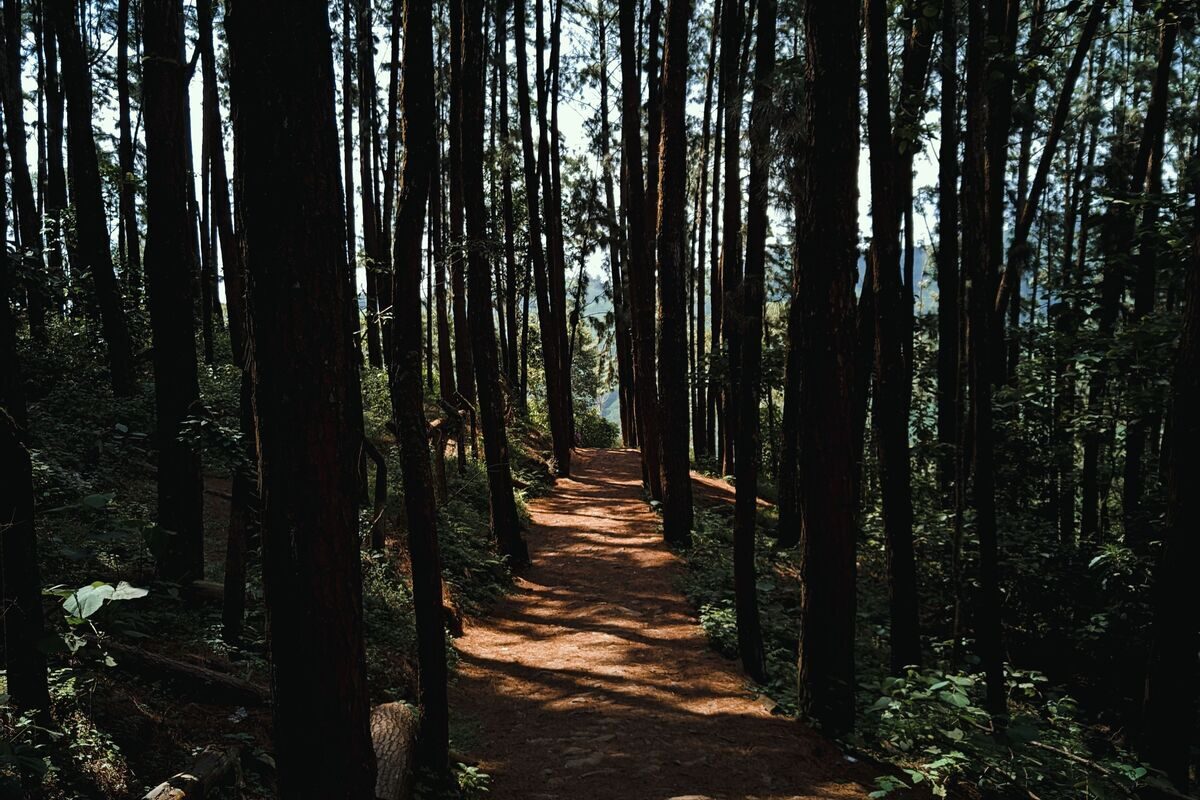
Slow Travel: The Art of Staying Longer and Traveling Deeper
Slow travel is not about seeing less. It is about experiencing more. In 2026, 91% of travelers want slower trips. How to trade checklists for transformation.
TL;DR
Slow travel is the deliberate choice to stay longer, move slower, and engage deeper with fewer places. In 2026, it is no longer a niche preference — 91% of travelers say they want slower, simpler trips built around rest, nature, and meaningful experiences. The goal is not to see more. It is to feel more. This guide covers the mindset, logistics, and destinations that make slow travel work in practice, not just in theory.
Who This Guide Is For
- First-time slow travelers who want permission to do less and feel more
- Digital nomads and remote workers ready to trade coworking cafes for local routines
- Burnout recoverers who need a trip that restores rather than exhausts
- Experience seekers who have finished the “10 cities in 10 days” phase
- Anyone who suspects the best part of travel happens when you stop rushing
This guide assumes you are open to changing how you travel, not just where. It is not a checklist of destinations. It is a framework for turning any destination into a deeper experience.
Quick Facts
| Question | Answer |
|---|---|
| Best time to go | Year-round; shoulder seasons offer better value and fewer crowds |
| Typical duration | 1 week to 3 months; 2+ weeks is where the shift happens |
| Difficulty | Easy |
| Typical daily budget | $40–$120 USD depending on destination and style |
| Core principle | Stay longer, visit fewer places, engage locally |
| Best for | Personal growth, mental reset, cultural connection, creative work |
Before You Go
Checklist
Mindset & Planning
- Permission to skip “must-see” attractions
- A loose itinerary, not a rigid schedule
- One or two anchor experiences per week, not per day
- A journal or creative outlet for processing the trip
Accommodation
- Apartment or homestay with kitchen, not just hotel rooms
- Monthly-rate platforms: Airbnb longer stays, Nomad List, local Facebook groups
- Proximity to local grocery stores, cafes, and public transit
- Flexible cancellation policies for plans that change
Money & Logistics
- Travel insurance with medical and evacuation coverage
- Local bank account or debit card with low foreign fees
- Budget cushion for spontaneous opportunities
- Digital copies of passport, visas, and important documents in cloud storage
Tech & Connection
- Offline maps downloaded for your base destination
- Portable charger and universal adapter
- VPN for secure public Wi-Fi
- Local SIM or eSIM for data and calls
- Apps for local transit, food delivery, and community events
Health & Wellness
- Basic first-aid kit with personal medications
- Water purification method if needed
- Knowledge of local emergency numbers and hospitals
- Plans for rest days, not just activity days
The Philosophy: Why Slower Is Deeper
The old model of travel was accumulation: more countries, more photos, more checkmarks. Slow travel rejects that model. It is based on a simple premise — the value of a trip is not measured in miles or monuments. It is measured in how much you change while you are gone.
Research from 2026 confirms this is not just nostalgia. According to Vrbo, 91% of travelers say they are interested in slower, simpler trips built around rest, reading, nature, and meaningful experiences. Skyscanner found that 66% of travelers prioritize relaxation and mental reset, while 55% say traveling at a slower pace helps clear their head. Nearly four in ten say it widens their perspective.
Slow travel works because it removes the variables that make travel stressful: decision fatigue, constant packing and unpacking, rushed itineraries, and the feeling that you are falling behind. When you stay in one place for two weeks instead of two days, you stop performing “traveler” and start living.
How to Slow Travel: Practical Strategies
Stay Longer in Fewer Places
The single most impactful change is duration. A three-day trip is a getaway. A two-week trip is a shift. A month-long stay is transformation. In two weeks, you learn where the locals eat, which cafe has the best light for reading, and how to navigate the bus system without Google Maps. In three days, you mostly learn how to get back to the airport.
Look for monthly apartment rentals. Many platforms offer 20–40% discounts for stays of 28 days or longer. This is not just cheaper. It changes the economics of your trip from “how many things can I fit” to “what do I want to do today.”
Choose One Anchor Experience Per Week
Instead of filling every day, pick one meaningful activity per week. A cooking class. A hike with a local guide. A volunteer morning at a community garden. The rest of the week becomes background — the ordinary moments that make the extraordinary ones stand out.
This mirrors how most people actually travel: 32% say quality over quantity is their priority, doing fewer things but doing them well. Think long lunches, not jam-packed days.
Live Like a Local
Slow travel is not a hotel with a slower checkout. It is a mindset of participation. Shop at the market, cook in your kitchen, take the bus, learn ten phrases in the local language, and go to the places without English menus.
This is also called “grocery store tourism,” and it is one of the fastest-growing travel behaviors. Hilton’s 2026 trend report found that 48% of travelers cook their own meals on holiday, and 77% enjoy grocery store tourism. Skyscanner data shows 35% of global travelers plan to visit local grocery stores during their next trip.
The goal is not to blend in perfectly. It is to engage with the rhythm of the place instead of observing it from outside.
Work Remotely, If You Can
Bleisure — blending business and leisure — is becoming mainstream. The global bleisure market is projected to reach $731.4 billion by 2032. If you can work from anywhere, slow travel turns your job into a passport.
Choose destinations with reliable internet, nomad-friendly visas, and coworking spaces or cafes. Countries like Colombia, Vietnam, Costa Rica, and Portugal have built entire ecosystems around digital nomads. Some offer two-year digital nomad visas. The trick is not to treat your workday as a barrier to travel, but as part of the rhythm.
Build in Unstructured Time
The best moments of travel are rarely planned. They are the conversations that happen because you stayed in a cafe longer than intended. The detour because you got lost. The invitation to a local festival because you smiled at the right person.
Protect empty space in your calendar. If you plan every hour, you eliminate the possibility of the unplanned. This is especially true for creative work and personal reflection — the two things most travelers say they want more of.
Destinations That Reward Slow Travel
Not every destination is built for slowing down. Some cities are designed for consumption: fast, efficient, and optimized for tourists. Others reward patience. Here are the types of places that work best for slow travel in 2026.
Small Towns and Rural Areas
84% of travelers say they would rather visit a rural area or smaller city than a major hub. The draw is authenticity: local bakeries, quiet harbors, hole-in-the-wall diners, and the kind of hospitality that does not have a website.
Look for towns with train or bus connections to major cities, so you are not isolated, but still far enough from the tourist center to live locally. Examples include Toledo in Spain, Brandenburg in Germany, Northumberland in the UK, and the coastal towns of Portugal’s Alentejo region.
Farm Stays and Nature Retreats
According to Expedia, Vrbo, and Hotels.com data reported by CNBC, 84% of travelers want to stay on or near a farm in 2026. Farm stays are the embodiment of slow travel: you wake up to the landscape, eat food grown nearby, and participate in daily routines.
Look for agriturismo in Italy, farm stays in Japan’s countryside, or eco-lodges in Central America. These are not just accommodations. They are entry points into a different pace of life.
Cultural Capitals With Local Roots
Some cities are too big to rush. Tokyo, Lisbon, Mexico City, and Istanbul reward extended stays because they have layers. You can spend a month in one neighborhood and still not run out of markets, temples, or late-night ramen shops.
The trick is to avoid the tourist center. Stay in a residential neighborhood, shop where the locals shop, and take your cues from the people who live there rather than the guidebooks.
Digital Nomad Hubs
If you work remotely, some destinations have built entire ecosystems around long stays. Places like Canggu (Bali), Tulum (Mexico), Lisbon (Portugal), and Medellín (Colombia) offer community, infrastructure, and a culture that accepts working from cafes and coliving spaces.
The best nomad destinations are not the cheapest. They are the ones where you can build a routine, find community, and feel grounded without sacrificing connection to the wider world.
How to Make Slow Travel Sustainable
Reduce Transitions
Every flight, train, or bus ride is a transition cost: time, money, energy, and environmental impact. Slow travel reduces these by design. One long stay instead of five short ones means fewer check-ins, fewer packing days, and less stress.
Support Local Economies
When you stay longer, you spend differently. You buy from the same grocer every week. You return to the same cafe. You tip the same taxi driver. Your money spreads further because it is distributed across many small interactions instead of concentrated in tourist traps.
Travel Off-Peak
48% of global travelers now visit during shoulder seasons to reduce overcrowding. This is not just sustainable. It is also cheaper, calmer, and more authentic. The same hotel that costs $200 in July might cost $80 in November, and the city will feel like it belongs to the people who live there.
Build a Home Base
Some slow travelers choose one home base for a month or more, then return. This could be a town in your own country or a neighborhood in another. The goal is to know the baker, the barista, and the bus driver by name. That kind of belonging does not happen on a two-day stopover.
How to Bring Slow Travel Home
You do not need a passport to practice slow travel. A staycation in your own city, a weeklong retreat in a nearby town, or even a single day without plans can recreate the mindset.
The principles are the same:
- Stay in one place
- Shop locally
- Cook your own meals
- Talk to strangers
- Leave your phone behind sometimes
- Notice the details you usually miss
Travel is not a distance you cover. It is a state of mind. If you can be present, curious, and open in your own backyard, you are already a slow traveler.
The Real ROI of Slow Travel
Slow travel is not always cheaper on paper. Extended stays, apartment rentals, and local experiences can cost as much as a week at a resort. But the return on investment is different.
You return with stories instead of photos. With relationships instead of souvenirs. With a sense of a place instead of a checklist of things you saw. That is harder to quantify, but it lasts longer.
As the 2025 Deep Travel Report notes, deep travel is a conservative $520 billion market and growing. The travelers who make up this market spend more per day, stay longer, and are deeply loyal to the people and places that move them. They are not tourists. They are temporary residents who happen to be passing through.
That is the real promise of slow travel. It does not just change your vacation. It changes you.
Final Thought
The next time you plan a trip, ask yourself: do I want to see everything, or do I want to feel something? The world will still be there when you return. The question is whether you will be changed enough to notice.
The best trips do not just move you across a map. They change how you see the world. Use this guide to build your own story.
Start Planning Your Story