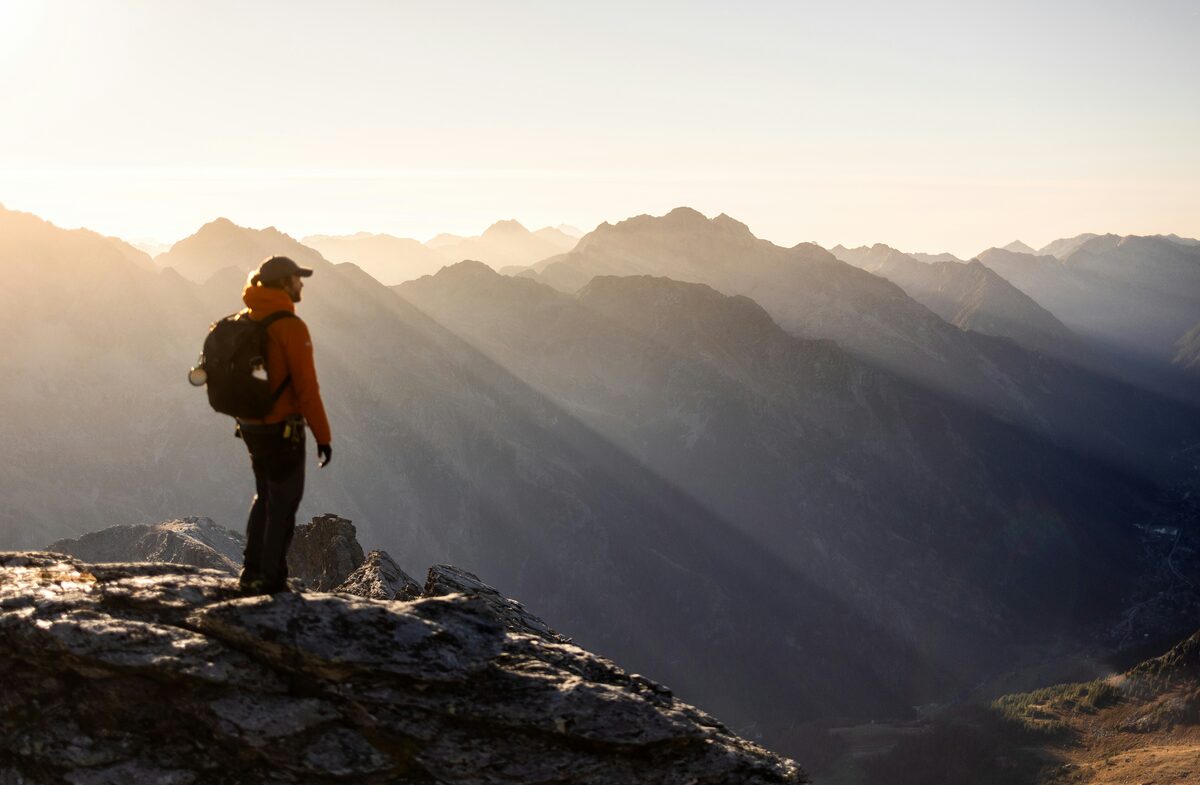
Solo Travel: The Complete Guide
Solo travel is not about being alone. It is about becoming the kind of person comfortable with uncertainty, and coming home clearer on who you are.
TL;DR
Solo travel is one of the most direct ways to find out what you are made of. You set the pace, choose the sights, and grow more confident with every border crossing. The barriers — safety, loneliness, cost — are real, but they are also manageable. This guide is not about avoiding risk. It is about preparing well enough to embrace it, and coming home with a story that belongs to you and no one else.
Who This Guide Is For
First-time solo travelers, experienced backpackers looking for new strategies, remote workers wanting to combine work and travel, and anyone who has ever thought “I wish I could go, but I don’t have anyone to go with.” This guide assumes you are comfortable with basic planning and want practical, field-tested advice rather than inspiration-only content.
Quick Facts
| Question | Answer |
|---|---|
| Best time to go | Year-round; shoulder season for value |
| Typical duration | 1 week to 3 months |
| Difficulty | Easy to moderate |
| Typical daily budget | $50–$150 USD |
| Safety | Research-dependent; many destinations are very safe |
| Accommodation | Hostels, guesthouses, nomad coliving, budget hotels |
| Transport | Budget airlines, trains, buses, rideshare |
Before You Go
Checklist
Documents & Money
- Passport with 6+ months validity and blank pages
- Digital copies of passport, insurance, and visas stored in cloud storage
- Credit card with no foreign transaction fees
- Local cash in small denominations for arrival
- Travel insurance with medical and evacuation coverage
- Embassy registration / Smart Traveler Enrollment if available
Communication & Tech
- Unlocked phone or local SIM on arrival
- Offline maps downloaded (Google Maps, Maps.me, or OsmAnd)
- Portable charger / power bank
- VPN subscription for public Wi-Fi
- Backup phone or eSIM profile
Safety & Health
- Basic first-aid kit with any personal medications
- Copy of prescriptions
- Water purification method if traveling to areas with unsafe tap water
- Knowledge of local emergency numbers
- Check for required vaccinations 4–6 weeks before departure
Top Solo Destinations
Easy Starters
Lisbon, Portugal Safe, walkable, affordable, and packed with hostels and nomad meetups. Portugal consistently ranks as one of the safest countries in Europe. English is widely spoken in tourist areas. The city has a relaxed pace, excellent food, and a strong solo-traveler community.
Tokyo, Japan Extremely safe, incredibly clean, and easy to navigate. Japan’s culture of respect and order makes it ideal for first-time solo travelers. English signage is common in major areas, and convenience stores provide cheap, quality meals for one. The rail system is precise and straightforward.
Chiang Mai, Thailand The world’s most popular digital nomad base for a reason. Cheap, friendly, and packed with other solo travelers. The nomad community is so large that you can work from a cafe and make friends in an afternoon. Street food is safe and delicious. The DTV visa gives you 5 years of multi-entry flexibility.
Intermediate Adventures
Medellín, Colombia Vibrant, creative, and surprisingly safe in the right neighborhoods. The city has transformed dramatically and now attracts a large digital nomad and solo-traveler scene. The weather is eternal spring. The main caution is knowing which neighborhoods to avoid at night.
Mexico City, Mexico Incredible food, world-class museums, and a thriving solo-traveler community. The city is large, so pick a base in Roma Norte or Condesa and explore from there. Spanish basics help, but English is common in tourist zones. The Temporary Resident Visa is straightforward for longer stays.
Tbilisi, Georgia Visa-free for 365 days for most nationalities, 1% flat tax for entrepreneurs, and costs that make Southeast Asia look expensive. The city is compact, walkable, and full of character. The nomad scene is smaller but tight-knit. This is a top pick for bootstrappers and long-term budget travelers.
Expert Level
Buenos Aires, Argentina European-style architecture, world-class steak, and one of the most favorable exchange rates in the world for USD earners. The city is massive and culturally rich. The main challenge is economic volatility — bring USD cash, exchange on the blue market, and watch for price changes. Long lunches and late dinners are the norm.
Cape Town, South Africa Stunning natural beauty with Table Mountain, beaches, and wine regions within easy reach. The city has a growing nomad scene and excellent coworking spaces. Safety requires more awareness than the other destinations on this list — research neighborhoods, use rideshare at night, and keep a low profile.
Solo Travel Tips
Staying Safe
The golden rule of solo travel safety is: blend in, stay aware, and trust your gut.
- Research neighborhood safety before booking accommodation
- Arrive during daylight hours whenever possible
- Keep your phone charged and offline maps downloaded
- Share your live location with a trusted contact when going to new areas
- Avoid flashing valuables, jewelry, or large amounts of cash
- Use official taxis or rideshare apps rather than street hails
- Learn basic local phrases — even “hello” and “thank you” change how people treat you
- Have a “safe word” with family or friends for check-ins
Budget Hacks
Solo travel can be cheaper than group travel if you optimize for flexibility:
- Accommodation: Hostel private rooms are often cheaper than hotels. Coliving spaces offer weekly rates that beat hotels.
- Food: Eat where locals eat. Street food is usually safe in high-traffic areas. Markets are your friend.
- Transport: Budget airlines in Asia and Europe are often cheaper than trains. Bus passes save money on shorter routes.
- Activities: Many museums have free entry days. Walking tours operate on a tip-only basis in most major cities.
- Timing: Travel shoulder season for 20–40% lower prices and fewer crowds.
Accommodation Strategies
- Hostels: Look for ones with 24-hour reception, lockers, and female/mixed dorm options. Read recent reviews for safety mentions.
- Guesthouses: Family-run places often provide more personal advice and security than large hotels.
- Coliving: Best for 1-week+ stays. Includes fast internet, community, and often kitchen access.
- Solo-friendly hotels: Some chains like Marriott and Hilton have solo traveler packages with smaller rooms at lower rates.
Meeting People
Loneliness is the #1 reason solo travelers cut trips short. Here is how to avoid it:
- Stay in social hostels with common areas and organized events
- Join nomad Facebook groups and Discord servers before you arrive
- Take free walking tours on day one — you will meet people immediately
- Learn to say “I am new here, do you have recommendations?” — it is an instant conversation starter
- Use apps like Bumble BFF, Meetup, or Couchsurfing Hangouts
- Take classes or join activities: cooking, surfing, language exchange, hiking
- Eat at communal tables or food halls instead of solo dining every night
Working While Traveling
If you are a remote worker or digital nomad:
- Timezone alignment matters: Mexico City and Medellín for US teams; Lisbon and Split for EU teams
- Always test internet speed before committing to accommodation
- Have a backup coworking space mapped out
- Use noise-canceling headphones for video calls
- Keep a portable hotspot for emergencies
- Many nomads rotate bases every 1–3 months to avoid visa overstays and burnout
Safety by Region
| Region | Safety Level | Key Considerations |
|---|---|---|
| Western Europe | High | Pickpockets in major cities; keep bags front-facing |
| Southeast Asia | Moderate to High | Scams in tourist hubs; traffic is the biggest danger |
| Latin America | Moderate | Research neighborhoods; avoid night travel between cities |
| East Asia | Very High | Low violent crime; natural disasters are the main risk |
| Africa | Variable | Some cities are very safe; check current travel advisories |
| Middle East | Variable | Research carefully; many countries are very safe for solo travelers |
Budget Breakdown
A comfortable solo trip costs vary wildly by destination:
- Southeast Asia: $800–$1,500/month
- Eastern Europe: $1,200–$2,000/month
- Latin America: $1,000–$1,800/month
- Western Europe: $2,500–$4,000/month
- North America: $3,000–$5,000/month
The biggest variables are accommodation style and dining habits. You can cut costs by 30–50% by staying in hostels, cooking some meals, and using public transport.
Packing for Solo Travel
Pack light. You will move more often than you expect, and every item is a liability.
- Backpack: 40–50L travel backpack or carry-on suitcase with locking zippers
- Clothing: Quick-dry, mix-and-match pieces. Merino wool shirts are ideal.
- Shoes: Broken-in walking shoes + sandals or flip-flops
- Tech: Phone, charger, portable battery, universal adapter, e-reader
- Toiletries: Travel sizes only. Most destinations can fill gaps locally.
- Documents: Passport, copies, insurance card, emergency contacts
- Security: TSA locks, RFID-blocking wallet, door alarm for hostels
FAQs
Is solo travel safe? Yes, for most destinations and with basic precautions. Most solo travel incidents involve theft or scams rather than violence. Research your destination, trust your instincts, and keep valuables secure.
How do I overcome loneliness? Stay in social accommodation, join group tours or free walking tours, and use apps to meet other travelers. The solo-traveler community is one of the most open and welcoming groups you will ever join.
What is the best first solo destination? Portugal, Japan, or Thailand. All three are safe, affordable, English-friendly, and packed with other solo travelers who can give you on-the-ground advice.
How much money do I need? $1,500–$2,500 is enough for a comfortable 2–4 week trip to Southeast Asia or Eastern Europe. Western Europe and North America require $3,000–$5,000 for the same duration.
Do I need travel insurance? Yes. Medical emergencies, trip cancellations, and lost baggage are not uncommon. A good policy costs $5–$10 per day and provides peace of mind.
How do I handle eating alone? Bring a book or journal, eat at communal tables or food halls, or use your phone to plan the next leg of your trip. Many restaurants are used to solo diners, especially in tourist areas.
What if something goes wrong? You will handle it. Solo travelers are remarkably resourceful. Keep embassy contact info, have travel insurance, and remember that problems are almost always solvable with patience and a calm head.
The best trips do not just move you across a map. They change how you see the world. Use this guide to build your own story.
Start Planning Your Story