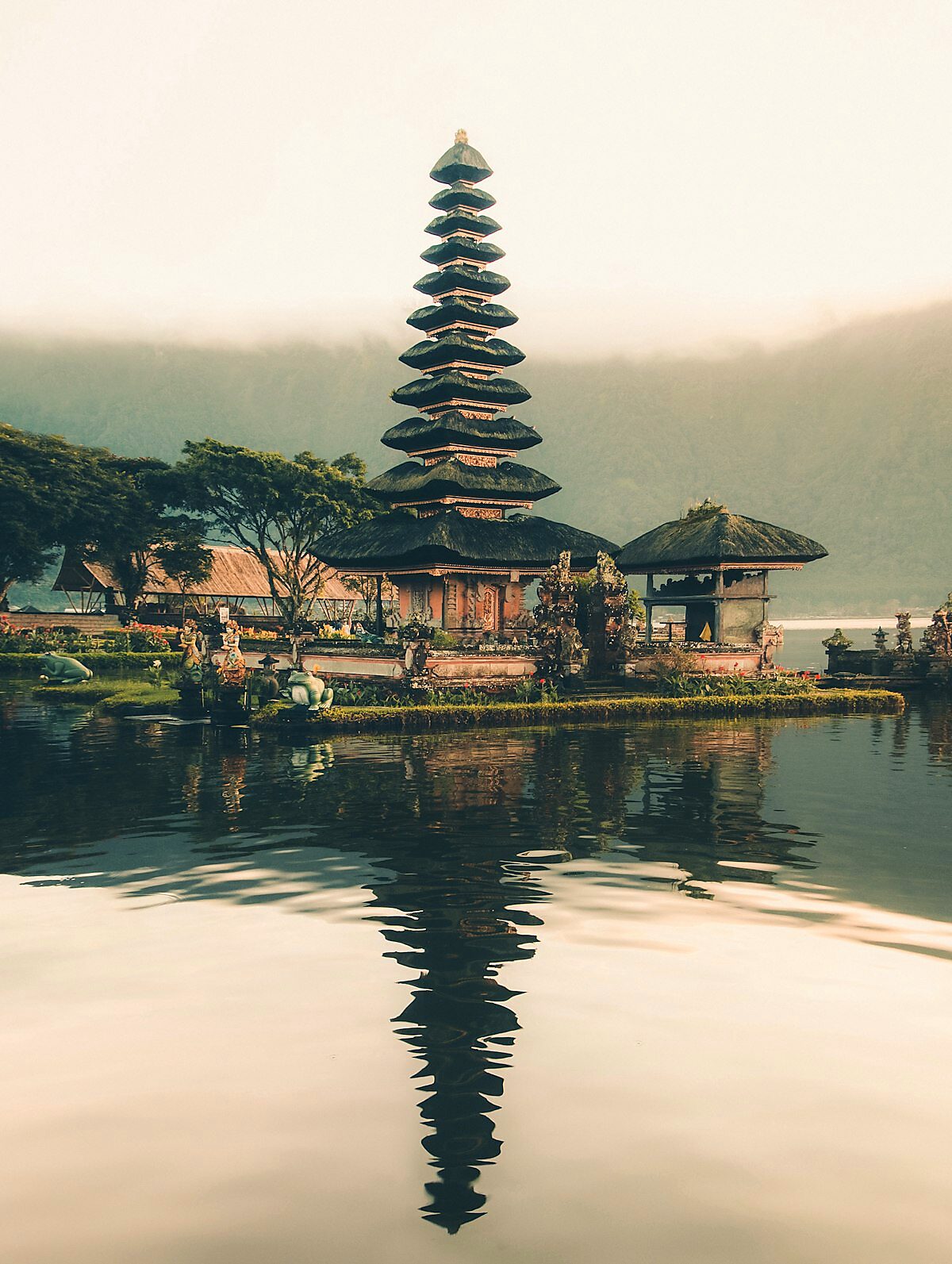
Bali: The Complete 10-Day Guide to Ubud, Uluwatu & the Islands
Bali in 2026 is Tripadvisor's #1 Top Destination. Covers Ubud, Uluwatu, Nusa Penida, and logistics for a 10-day trip that feels effortless.
TL;DR
Bali is Tripadvisor’s #1 Top Destination 2026 for a reason: it genuinely divides into distinct zones that reward slow travel. Ubud delivers the rice terraces and temple culture most people imagine. Seminyak and Canggu run on beach clubs, surf, and excellent coffee. Uluwatu and the Bukit Peninsula offer clifftop sunsets and world-class breaks. Nusa Penida sits offshore and plays by entirely different rules. This guide covers the routing mistakes that quietly eat two days of your trip, the crowd-free timing hacks for 2026, and the specific warungs, temples, and beaches that still feel untouched.
Who This Guide Is For
First-timers who want the iconic Bali without the tourist extraction. Digital nomads testing Indonesia as a Southeast Asia base. Slow-travel advocates who prefer four nights in one place to five hotels in seven days. Wellness travelers chasing yoga and rice-terrace views rather than party beaches. Anyone who has seen photos of packed temples and wants to know how to see them when the tour buses haven’t arrived.
This guide assumes you are comfortable with scooters or private drivers, willing to eat street food, and ready to treat Bali as several distinct destinations that happen to share one island.
Quick Facts
| Question | Answer |
|---|---|
| Best time to go | April–June and September–November (dry, fewer crowds) |
| Typical duration | 7–10 days minimum for two to three zones |
| Difficulty | Easy |
| Typical daily budget | $30–50 USD (budget), $80–150 (mid-range), $300+ (luxury) |
| Visa | VOA: IDR 500,000 for 30 days; eVisa available |
| Core principle | Pick two or three zones, stay long enough to settle in, resist the urge to tick every landmark |
| Best for | Slow travel, wellness, surf, culture, food, digital nomads |
Before You Go
Checklist
Documents & Money
- Passport with 6+ months validity
- Visa on Arrival (VOA): IDR 500,000 (~$32) for 30 days, extendable once for another 30 days at immigration; verify current rules at Indonesia Immigration
- Cash: IDR 100,000–200,000 for airport taxi/fast boat; ATMs widely available but bring USD for emergency exchange
- Travel insurance with medical coverage — road accidents are the #1 tourist injury in Bali
Apps to Download
- Google Maps offline for Ubud rice terraces and Nusa Penida routes
- Gojek or Grab for scooter taxis and food delivery (fixed prices, no haggling)
- Traveloka or 12Go Asia for fast boat tickets to Nusa Penida/Nusa Lembongan
- WhatsApp — every villa, driver, and restaurant uses it
Gear
- Comfortable walking shoes (Tegallalang terraces and temple stairs are slippery when wet)
- Compact daypack with lockable zippers
- Portable charger
- Reusable water bottle — most villas and cafes offer filtered refills
- Light rain jacket (afternoon showers Dec–March)
- Sarong and sash (required for temple entry; available at every entrance for IDR 10,000–20,000 if you forget)
Getting There
Ngurah Rai International Airport (DPS) in Denpasar is the main gateway. For official visitor information, see Bali Tourism. Don Mueang (DMK) also serves some international routes, but DPS is closer to Seminyak, Canggu, and Ubud.
| From | To | Time | Cost |
|---|---|---|---|
| Airport → Seminyak/Canggu | Private taxi | 30–60 min | 150,000–250,000 IDR ($9–16) |
| Airport → Ubud | Private taxi | 60–90 min | 250,000–350,000 IDR ($16–22) |
| Airport → Nusa Dua | Private taxi | 30 min | 100,000–150,000 IDR ($6–10) |
Book airport transfer through your villa or hotel — they use trusted drivers and the price is fixed. Do not take an unlicensed taxi from the arrivals hall.
Where to Stay
The mistake most first-timers make is treating Bali as one destination. It is not. Ubud, Seminyak/Canggu, and Uluwatu are three different personalities separated by 1–2 hours of traffic.
Ubud — culture, rice terraces, yoga studios, jungle villas. Cooler temperatures, no beach, slower pace. Best base if your list includes Tegallalang Rice Terrace, cooking classes, and Mount Batur sunrise. Stay in Penestanan or Campuhan Ridge for quiet luxury; Jalan Monkey Forest for central convenience.
Seminyak — polished beach Bali. Clean streets, excellent restaurants, beach clubs, and sunset bars. The natural entry point from the airport. Good for couples or anyone who wants beach access plus quality dining. Legian and Petitenget are quieter alternatives.
Canggu — younger, surf-forward energy. Batu Bolong and Echo Beach are the surf hubs. The café density is absurd in the best way. Outpost and Dojo fill up with long-term laptop workers. More affordable than Seminyak, grittier around the edges, and the best base if you want to surf before checking emails.
Uluwatu / Bingin / Pecatu — clifftop and oceanview villas. Dramatic scenery, slightly more isolated, perfect for the last nights of a trip. Single Fin and La Brisa are the iconic sunset spots. Bingin Beach requires a short climb down a ladder — worth it for the wave-shaped cove.
Nusa Penida — stay overnight near Crystal Bay or Toyapakeh. The island’s roads are brutal and the standard tour crams Kelingking, Angel’s Billabong, and Broken Beach into one sweaty scramble. An overnight buys you Kelingking at sunrise with no crowd.
What to Eat
Bali’s food scene splits into three tiers: warung (local), café (international), and fine-dining (resort).
Warung Babi Guling Ibu Oka (Ubud) — the famous suckling pig. IDR 50,000 for a plate of crispy skin, rice, and sambal. Cash only, open 8 a.m. to 9 p.m. The Ubud location is the original; there are now clones everywhere.
Warung Biah Biah (Ubud) — clean, local, affordable. Nasi campur plates run IDR 25,000–40,000. The sambal is house-made and aggressive. Good for your first meal when you arrive.
Clear Café (Ubud) — healthy bowls, fresh juices, and the kind of food that makes digital nomads stay longer than planned. Prices are IDR 45,000–85,000. The upstairs seating catches the Campuhan Ridge breeze.
Locavore To Go (Ubud) — the accessible sibling to Bali’s famous fine-dining restaurant. Seasonal, local, modern. IDR 150,000–250,000. Book a week ahead if you want the counter seat.
The Cashew Tree Café (Uluwatu) — cliffside salads and smoothie bowls with an unobstructed ocean view. IDR 60,000–100,000. Come for the food, stay for the cliff.
La Baracca (Uluwatu) — Italian done right on the Bukit. The truffle pasta is IDR 120,000 and worth every rupiah. Reserve for sunset.
Jimbaran Bay — grilled fish served right on the sand. Multiple warungs set up tables at the waterline. Order by weight; a whole fish for two runs IDR 200,000–400,000 depending on the catch. The planes from DPS taking off overhead are part of the atmosphere.
Nasi Goreng / Mie Goreng — the universal Indonesian breakfast and late-night rescue. Any warung with a line of motorbikes outside will do it for IDR 15,000–25,000. Ask for “telur” (egg) on top.
Day-by-Day Itinerary
Days 1–4: Ubud — Culture, Rice Terraces, and Jungle
Day 1: Arrive and settle in. Land at DPS, transfer 1.5 hours to Ubud. Check into your villa or boutique hotel in Penestanan or Campuhan Ridge. Walk the Campuhan Ridge at sunset — a peaceful 2km trail above the river valley that costs nothing and most visitors do not discover until later in their trip. Dinner at Warung Biah Biah or Ibu Rai for your first taste of Balinese flavors.
Day 2: Temples and terraces. Start at Tirta Empul Temple by 8 a.m. to witness locals performing purification rituals before the tour buses arrive. Entry is IDR 75,000 for adults; a sarong is included. Continue to Tegallalang Rice Terraces for golden morning light. Entry is IDR 25,000, with small donations of IDR 10,000–20,000 requested at certain trail sections maintained by local farmers. Have lunch overlooking the paddies, then visit Tegenungan Waterfall in the late afternoon when the crowds have cleared. Dinner at Clear Café or Melting Wok Warung. Hire a driver for this day — IDR 600,000–800,000 for a full day is standard and worth every rupiah.
Day 3: Waterfalls and cooking. Wake early for a Mount Batur sunrise trek if you are fit. The 1,717-meter active volcano rewards you with panoramic views of Lake Batur and Mount Agung. Book through your villa; most tours pick up at 2 a.m., summit by 6 a.m., and return by 10 a.m. For a slower morning, visit Tibumana Waterfall instead — shorter walk, fewer people, powerful single-drop cascade. Spend the afternoon at a Balinese cooking class. Most classes include a market tour, sambal-making, and six dishes to eat for dinner. Book at Made’s or Paon.
Day 4: Culture deep dive. Ubud Monkey Forest in the morning — arrive by 8:30 a.m. Entry is IDR 80,000 on weekdays, IDR 100,000 on weekends (2026 verified). The macaques are habituated but not tame; do not hold food openly. Afternoon: Ubud Art Market for hand-carved masks, sarongs, and small souvenirs. Haggle starting at 50% of the asking price. Evening: Ubud Royal Palace Legong dance performance at the palace courtyard. Ticketed, runs most evenings, IDR 100,000. The dancing is precise, the gamelan loud, and the storytelling ancient.
Days 5–8: Uluwatu & the Bukit — Cliffs, Surf, and Sunsets
Day 5: Move south. Leave Ubud after breakfast and drive to Uluwatu (90 minutes). Stop at Tanah Lot Temple along the coast — quiet before 10 a.m. Entry is IDR 75,000 for foreign adults. Continue toward Uluwatu, arriving by early afternoon. Have lunch at The Cashew Tree Café, check into your cliffside stay, and unwind. By late afternoon, head to Uluwatu Temple for the sunset Kecak Fire Dance. Entry IDR 50,000–60,000; Kecak tickets are IDR 150,000. Arrive by 4:30 p.m. at the latest — they sell out on busy days.
Day 6: Beaches of the Bukit. Wake up and hit Padang Padang Beach around 8 a.m. before it gets busy. Entry is IDR 10,000–15,000. Move on to Bingin Beach for brunch and ocean views. Spend the afternoon at Dreamland or Thomas Beach, both calm and scenic. Watch the sunset from Suluban Beach Cave or a clifftop café like Single Fin. Dinner at La Baracca or Mana Uluwatu. For the best seafood experience, Jimbaran Bay is 30 minutes away — grilled fish served right on the sand while planes lift off overhead.
Day 7: Surf or rest. Take a surf lesson at Bingin Beach or Padang Padang — the Bukit has some of the most photogenic gentle breaks in the world. If surfing is not your thing, spend the morning at a cliffside spa. Afternoon: visit the Gates of Heaven at Pura Lempuyang (2.5 hours east of Uluwatu). The Instagram-famous shot with Mount Agung in the background requires a long drive, but the temple complex itself is one of the most important in Bali. Return via Crystal Bay on Nusa Penida for a quick swim and watch the sunset from the ferry terminal.
Day 8: Nusa Penida overnight. Leave early from Sanur Port on the morning fast boat (30–45 minutes, IDR 150,000–300,000 one way in 2026). On arrival, meet your local driver (IDR 600,000–800,000/day) and start with the west coast circuit — Kelingking Beach, Broken Beach, and Angel’s Billabong. Have lunch near the coast, then swim or relax at Crystal Bay as the afternoon light softens. Stay overnight near Crystal Bay and enjoy dinner at Penida Colada with ocean breezes. An overnight here is non-negotiable if you want Kelingking without a thousand selfie sticks.
Days 9–10: Islands and Departure
Day 9: Snorkel and return. Join a morning snorkeling trip from 8–11 a.m. to Manta Bay and Gamat Bay for crystal-clear water and strong chances of seeing manta rays. After lunch, take the afternoon fast boat back to Sanur. From Sanur, transfer to Ubud or Seminyak for your last evening. If you have time, stop at Canggu for dinner at one of the beachfront cafés — Finns or La Brisa — before heading to your final accommodation.
Day 10: Departure day. Morning leisure, spa treatment, or a final surf session. Lunch at a beach club, then transfer to DPS. If your flight is late, spend the afternoon at Jimbaran Beach watching planes lift off as waves lap the sand. It is the best possible end to a Bali trip.
Skip
- Kuta: it is a party-heavy beach strip and not representative of modern Bali. Stay in Canggu or Seminyak instead.
- Nusa Penida as a day trip: the roads are brutal and the standard tour crams the highlights into one sweaty scramble. Stay overnight or skip it entirely.
- Mount Batur on a cloudy morning: you will see nothing from the summit. Check the weather forecast the night before; your guide will know, but ask anyway.
- Tuk-tuks in the south: they quote 10x the real fare and crawl through traffic. Use Gojek instead.
- Seminyak beach clubs every day: one is worth it for the sunset; the rest are interchangeable. Mix in Echo Beach or Bingin for free sand and real waves.
- Packing too many zones into one day: Ubud to Uluwatu is only 30–35 km, but the Sunset Road bottleneck turns that into 75–90 minutes by afternoon. Do not plan Nusa Penida and a Ubud cooking class on the same day.
What $30 a Day Actually Buys
Budget traveler day: hostel dorm or losmen near Campuhan (150,000 IDR), warung breakfast of nasi goreng and coffee (25,000 IDR), Tegallalang Rice Terrace entry (25,000 IDR), local driver shared with other travelers (100,000 IDR split four ways), warung lunch of nasi campur (30,000 IDR), afternoon waterfall visit (free), dinner at a family warung (35,000 IDR), Bintang beer (15,000 IDR) = roughly 380,000 IDR, about $24. The remaining $6 buys a one-hour Balinese massage (80,000 IDR) or a second Bintang at sunset.
Bali is one of the last places on earth where $30 still buys a full day of genuine local experience — if you pick the right warung.
One Thing You Can’t Skip
Tirta Empul Temple before 8 a.m. You do not have to participate in the purification ceremony — just watching locals perform Melukat in the sacred pools is enough. The water is cold, the stone walls are ancient, and the tour buses have not yet arrived. It is the closest you will get to understanding what Bali actually is, beyond the villa brochures and the Kecak show. Arrive before 8 a.m., bring a sarong, and leave your phone in the locker. The purification pools have been in continuous use for over a thousand years; your Instagram feed can wait 45 minutes.
The best trips do not just move you across a map. They change how you see the world. Use this guide to build your own story.
Start Planning Your Story