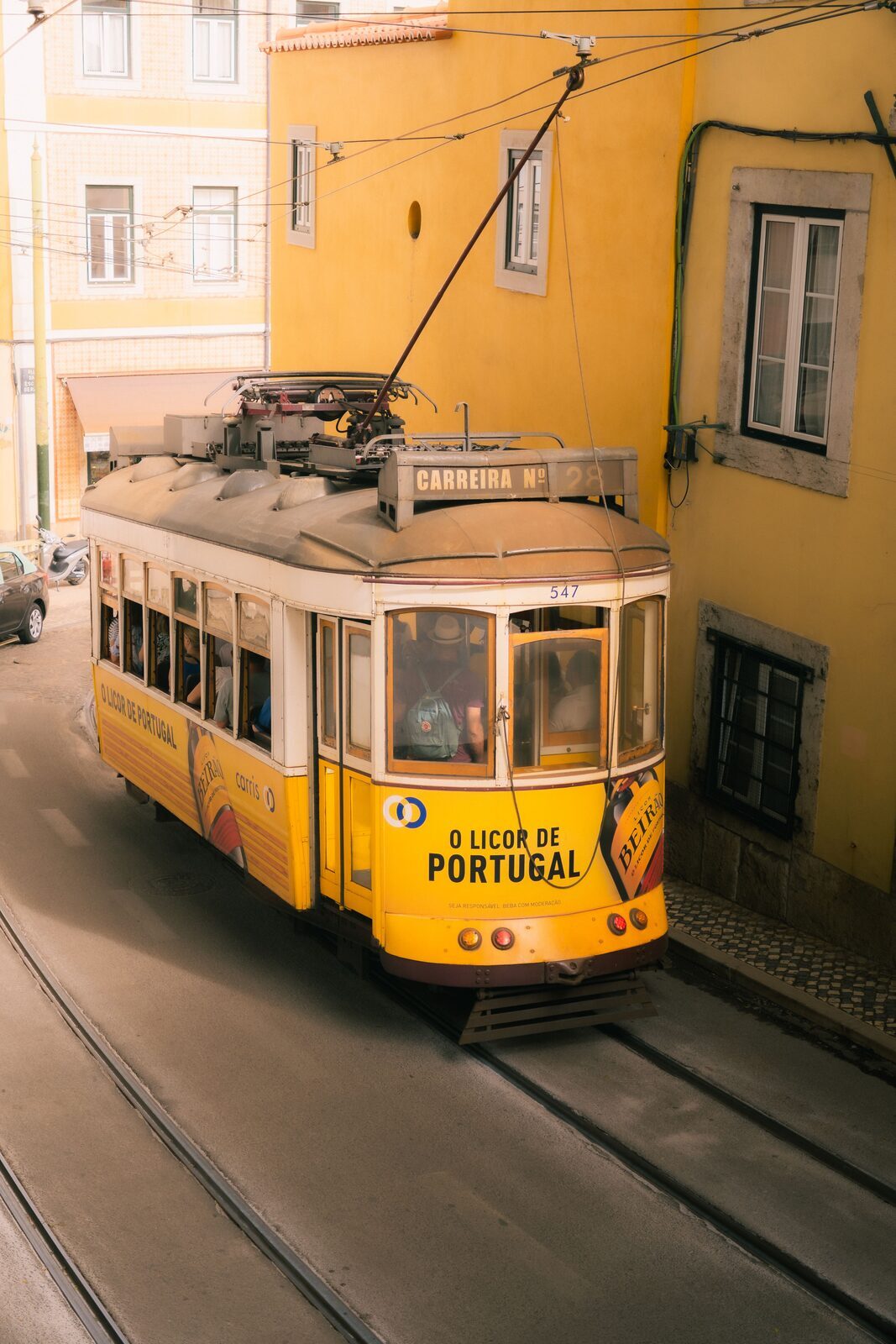
Lisbon: The City That Teaches You to Slow Down and Feel Again
Lisbon is not a city you see — it is a city you feel: seven hills, salt air, fado from an open window, a pastel de nata fresh from the oven.
TL;DR
Lisbon is the European city that still feels like a secret. It is seven hills of cobblestone and tile, Atlantic light turning gold at 6 p.m., and a food scene where €10 buys you a three-course lunch with wine. You will ride a 1930s wooden tram before the crowds, eat the original pastel de nata at the monastery that invented it, watch fado drift from an open window in Alfama, and day-trip to a fairy-tale palace in Sintra. This guide gives you the city without the tourist traps — the Lisbon that locals still recognize.
Who This Guide Is For
- First-time visitors who want structure without a tour group
- Food travelers who care more about tasca lunches than Michelin stars
- Solo travelers who want a walkable, safe, social city
- Couples looking for a romantic European weekend that doesn’t cost €300/night
- Anyone who saw Lisbon on TikTok and wants to know if it is real (it is)
- Travelers who believe the best way to know a city is to get lost in it
Quick Facts
| Question | Answer |
|---|---|
| Best time to visit | March–May and September–October |
| Typical duration | 3–5 days |
| Difficulty | Easy |
| Typical daily budget | €50–€200 depending on style |
| Currency | Euro (€) |
| Language | Portuguese |
| Transport | Metro, trams, buses, funiculars, ferry |
| Safety | Pickpocket risk on Tram 28 and in Baixa; otherwise very safe — see US State Dept |
Before You Go
Checklist
Documents & Money
- Passport valid 3+ months beyond travel dates
- ETIAS authorization required for US, UK, Canada, Australia citizens as of 2026 (€7, valid 3 years); apply at ETIAS
- EUR cash for small tascas and bakeries (cards often have minimums)
- Notify bank of travel to avoid card blocks
Apps & Navigation
- Google Maps offline for metro and walking routes
- Bolt app (local ride-share, cheaper than Uber)
- CP app for train tickets to Sintra
- Google Translate for Portuguese phrases
Gear
- Comfortable walking shoes with grip — cobblestones are relentless
- Light rain jacket — Atlantic weather shifts fast
- Daypack with secure zips (anti-theft preferred)
- Reusable water bottle — tap water is safe in Lisbon
- Sunscreen — UV is strong on the water and hills
Health
- European Health Insurance Card if traveling within EU
- Basic first-aid kit with blister treatment
- Hand sanitizer for markets and trams
Getting There
Humberto Delgado Airport (LIS) is 7 km northeast of the city center. Metro line A reaches the city in 25 minutes. Bolt/Uber to Baixa costs €10–15. For official tourism info, see Visit Portugal.
| Route | From | To | Time | Cost |
|---|---|---|---|---|
| Metro | Airport | Baixa-Chiado | ~25 min | €1.85 |
| Bolt/Uber | Airport | Baixa | 15–25 min | €10–15 |
| Train | Rossio | Sintra | 40 min | €4.60 return |
| Ferry | Cais do Sodré | Cacilhas | 10 min | €1.50 |
Visa note: As of 2026, ETIAS is mandatory for visa-exempt nationals from the US, UK, Canada, and Australia. Apply online before travel.
Where to Stay
Lisbon’s neighborhoods are distinct personalities. Choose based on what you want to feel.
| Neighborhood | Best For | Price Range per Night | Notes |
|---|---|---|---|
| Alfama | Atmosphere, fado, old Lisbon | €50–€150 | Steep hills, no elevators, authentic |
| Baixa-Chiado | Central, walkable, transport hub | €80–€200 | Tourist-heavy but convenient |
| Bairro Alto | Nightlife, restaurants, energy | €60–€180 | Loud after 11 p.m.; not for light sleepers |
| Príncipe Real | Boutique hotels, food scene | €100–€250 | Trendy, walkable, mid-hill |
| Mouraria | Local feel, budget, multicultural | €40–€100 | Up-and-coming, safe, authentic |
| Belém | Quiet, riverside, historic | €70–€180 | Far from center but near Jerónimos |
Booking tip: March–May and September–October offer the best balance of price and weather. July–August prices can double and Sintra becomes overcrowded.
Where to Eat
Lisbon is one of Europe’s last great value food cities. A proper meal with wine can still cost €10–13 at lunch.
| Meal | Recommendation | Where | Approx. Cost |
|---|---|---|---|
| Pastry | Pastel de nata (original) | Pastéis de Belém | €1.50 |
| Coffee | Bica (espresso) | Neighborhood padaria | €0.80–1.20 |
| Lunch | Prato do dia (set menu with wine) | Tasca in Mouraria or Alfama | €10–13 |
| Dinner | Grilled sardines or bacalhau | Local tasca | €12–18 |
| Street food | Bifana or prego sandwich | Various | €3.50–5 |
| Drink | Ginjinha (cherry liqueur) | Ginjinha bar near Rossio | €1.50–2 |
| Wine | Vinho verde (young white) | Kiosque at miradouro | €2.50–4 |
Etiquette: Lunch in Portugal is 12:30–2:30 p.m. Dinner is 8–10 p.m. Many restaurants close between lunch and dinner. The couvert (bread, olives, cheese) is sometimes charged automatically — ask if you want it.
Day-by-Day Itinerary
Day 1: São Jorge Castle, Alfama, and Fado
Start high and work your way down. Alfama is the only neighborhood that survived the 1755 earthquake, which is why its streets look nothing like Baixa’s grid.
| Time | Activity | Location | Notes/Tips |
|---|---|---|---|
| 9:00 a.m. | São Jorge Castle | Alfama hilltop | €17; go early for light and fewer crowds; views over the Tagus |
| 11:30 a.m. | Walk down Alfama | Alfama streets | Get lost on purpose; follow laundry lines and fado sounds |
| 1:00 p.m. | Tasca lunch | Alfama side street | Prato do dia; €10–13 with wine |
| 3:00 p.m. | Sé de Lisboa + cloisters | Alfama | Free entry to church; €2.50 to cloisters |
| 5:30 p.m. | Miradouro de Santa Luzia | Alfama | Best sunset viewpoint; kiosque serves wine |
| 8:00 p.m. | Fado dinner | Alfama or Bairro Alto | Authentic fado in small tasca; book 2–3 days ahead |
Plan B: If the castle is crowded, substitute the Roman Theatre ruins beneath it (free, quiet, overlooked).
Day 2: Belém, Waterfront, and the Pastel de Nata
Take tram 15E or bus 728 west along the river. Belém is where Portugal’s Age of Discovery was launched.
| Time | Activity | Location | Notes/Tips |
|---|---|---|---|
| 9:00 a.m. | Pastéis de Belém | Belém | Original custard tart since 1837; arrive before 9:30 a.m. to queue |
| 10:00 a.m. | Jerónimos Monastery | Belém | €10; book 1–3 days ahead in summer; Manueline architecture |
| 11:30 a.m. | Belém Tower | Belém | Exterior free; interior €6; walk along the river wall |
| 1:00 p.m. | Lunch | Belém waterfront | Grilled fish at a local restaurant |
| 3:00 p.m. | MAAT or Coach Museum | Belém | MAAT for contemporary architecture; Coach Museum €8 for royal carriages |
| 5:00 p.m. | Return to center | Tram 15E or bus | Avoid rush hour |
| 7:00 p.m. | Sunset drinks | Miradouro da Senhora do Monte | Highest viewpoint in Lisbon; no crowds, just sky |
Plan B: If Belém Tower interior is closed for renovation, spend extra time at the monastery or walk to the Padrão dos Descobrimentos monument (free).
Day 3: Chiado, Baixa, and the Tram 28 Experience
The grid rebuilt after the 1755 earthquake. This is the Lisbon of elevators, viewpoints, and pastel de nata debates.
| Time | Activity | Location | Notes/Tips |
|---|---|---|---|
| 8:30 a.m. | Tram 28 ride | Martim Moniz → Alfama | Board before 9 a.m. to avoid queues; €1.72 with Viva Viagem card |
| 10:00 a.m. | Elevador da Bica | Bixa to Bairro Alto | Funicular; €3.80 or free with Lisboa Card |
| 11:00 a.m. | Praça do Comércio | Baixa | Waterfront square; free; feed the pigeons or just breathe |
| 12:30 p.m. | Mercado da Ribeira / Time Out | Cais do Sodré | Food hall; good for sampling; can be tourist-priced |
| 2:00 p.m. | Lunch | Tasca in Mouraria | Walk 10 minutes from Time Out; half the price |
| 4:00 p.m. | Chiado wander | Chiado | Rua Garrett, Bertrand bookstore (oldest in the world), A Brasileira |
| 6:30 p.m. | Miradouro de São Pedro de Alcântara | Bairro Alto | Sunset over the city; kiosque for beer or wine |
| 8:30 p.m. | Dinner | Bairro Alto or Cais do Sodré | Late dinner; Portuguese table culture |
Plan B: If Tram 28 is too crowded, take bus 738 which follows a similar route with fewer tourists and better views of the city.
Day 4: Sintra Day Trip or Mouraria Deep-Dive
Option A: Sintra (full day)
| Time | Activity | Location | Notes/Tips |
|---|---|---|---|
| 8:30 a.m. | Train to Sintra | Rossio Station | 40 min; €4.60 return; book online in summer |
| 9:30 a.m. | Quinta da Regaleira | Sintra | €15; Initiation Well first; arrive at opening |
| 12:00 p.m. | Pena Palace | Sintra hills | €20 park + palace; walk up from Quinta or take tuk-tuk |
| 3:00 p.m. | Moorish Castle | Sintra | €10; medieval walls; thinner crowds than Pena |
| 5:00 p.m. | Sintra town | Sintra | Travesseiros pastry at A Piriquita; wander old streets |
| 6:30 p.m. | Train back to Lisbon | Rossio Station | 40 min; arrive before sunset |
Option B: Mouraria, Graça, and LX Factory
| Time | Activity | Location | Notes/Tips |
|---|---|---|---|
| 10:00 a.m. | Mouraria wander | Mouraria | Multicultural, local, still negotiating its identity |
| 12:00 p.m. | Lunch | Tasca in Mouraria | Authentic, cheap, no English menus |
| 2:00 p.m. | LX Factory | Alcântara | Shops, street art, rooftop bar; Sunday flea market |
| 4:00 p.m. | Pink Street | Cais do Sodré | Instagram-famous but worth one photo |
| 6:00 p.m. | Sunset ferry | Cais do Sodré → Cacilhas | €1.50; view of the 25 de Abril Bridge |
| 7:30 p.m. | Dinner | Cacilhas waterfront | Seafood;€18–25; back by ferry |
Plan B: If Sintra is too crowded, do the Arrábida coast day trip — white cliffs, turquoise water, dolphin watching.
Practical Tips
- Tram 28 is a tourist attraction, not public transport. Board before 9 a.m. on a weekday or walk away. The experience matters more than the utility.
- Lisboa Card: 24h €31, 48h €51, 72h €62. Worth it if you are doing São Jorge Castle (€17), Jerónimos Monastery (€10), and transport daily. Calculate before buying.
- Water: Tap water is safe in Lisbon. Refill at public fountains.
- Hills: Lisbon is built on seven hills. Wear shoes with grip. Elevators and funiculars help but are often crowded.
- Pickpockets: High on Tram 28, in Baixa, and at major viewpoints. Bag in front, phone in inside pocket.
- Meal times: Lunch 12:30–2:30, dinner 8–10 p.m. Many restaurants close between 3 and 7 p.m.
- Couvert: Bread and olives may be brought automatically. Ask for the bill if you do not want it.
Before You Go: Last-Minute Checks
- ETIAS applied if visa-exempt national
- Jerónimos Monastery and Pena Palace tickets booked (1–3 days and 1–2 weeks ahead respectively)
- Fado restaurant reservation for at least one night
- Viva Viagem card loaded with €10–15 for transport
- Comfortable shoes broken in
- Offline maps downloaded for Alfama and Sintra
- Cash withdrawn for tascas and bakeries
Insider Tips
- Pastel de nata has a hierarchy. Pastéis de Belém is the original and the queue is part of the ritual. Manteigaria in Chiado is the artisan rival. Aloma in Campo de Ourique won the national competition. Try all three and decide.
- The best miradouros are the ones without kiosques. Miradouro da Graça and Miradouro das Portas do Sol are spectacular, but the smaller, unnamed viewpoints between them are where locals actually stand.
- Eat prato do dia. The set lunch is Portugal’s greatest gift to budget travelers. €10–13 for soup, main, bread, and sometimes wine. Look for restaurants filled with office workers at 12:30.
- Rossio Station to Sintra: Trains run every 30 minutes from early morning. The 8:30 a.m. arrival in Sintra means you beat the tour buses. Pena Palace opens at 9:30 a.m.
- Avoid Time Out Market for real food. It is convenient but overpriced. Walk five minutes into Baixa or Mouraria and pay half the price for better food.
Etiquette & Culture
- Tipping: Not mandatory. Round up the bill or leave €1–2 for good service. 10% is generous.
- Greeting: A handshake or two kisses on the cheek (right-left) among friends. Shopkeepers say “bom dia” until afternoon, then “boa tarde.”
- Meals: The Portuguese take food seriously. Do not rush dinner. Lunch is the main meal of the day.
- Fado: Do not talk during a fado performance. Applause is encouraged between songs, not during.
- Dress: Casual everywhere. Shorts and sandals are fine even at nicer restaurants in summer. Jackets are rare before 10 p.m.
Useful Phrases (Portuguese)
| Phrase | Pronunciation | Use |
|---|---|---|
| Olá | Oh-LAH | Hello |
| Bom dia | BOHN JEE-ah | Good morning |
| Por favor | Pohr fah-VOHR | Please |
| Obrigado / Obrigada | Oh-bree-GAH-doh / -dah | Thank you (m/f) |
| Desculpe | Dehs-KOOL-peh | Excuse me |
| A conta, por favor | Ah KOHN-tah por fah-VOHR | The bill, please |
| Quanto custa? | KWAHN-toh KOOS-tah? | How much? |
| Pastel de nata, por favor | Pah-STEHL deh NAH-tah | Custard tart, please |
Good to know (2026)
Lisbon is tightening rules as visitor numbers boom. The ones that will hit your wallet or your plans:
- Tourist tax is now €4/night. The rate doubled from €2 to €4 in September 2024 and holds through 2026 — per person per night, capped at 7 consecutive nights per property, children under 13 exempt. Collected at check-in; usually not in the online price.
- Rental restrictions are real. Short-term rentals (Alojamento Local) face stricter rules and limits as the city tackles the housing crunch — expect fewer Airbnb options and higher prices in the center.
- Green rules are tightening. Stricter environmental rules around waste and tourism operations are rolling out in 2026.
- Dress-code and behavior fines. Some European cities now fine tourists for dress-code or behavior violations; Lisbon’s measures are focused on overcrowding and short-term rentals, but be respectful in religious and historic sites.
- Expect crowds and higher costs. Record tourism in 2026 means popular sights (Belém, Tram 28, miradouros) are packed and rents are up — book ahead and go early.
FAQs
Is 3 days enough for Lisbon? Yes, if you focus on Alfama, Belém, Baixa-Chiado, and one Sintra day. Four or five days lets you slow down, explore Mouraria, and add Cascais or Arrábida. Sources: r/travel · r/solotravel · wikitravel
Is Sintra worth the day trip? Absolutely. But book Pena Palace 1–2 weeks ahead in summer, arrive before 10 a.m., and expect crowds. Spring and autumn are the sweet spots. Sources: r/travel · lonelyplanet.com
How hilly is Lisbon? Very. Alfama and Bairro Alto are staircases disguised as neighborhoods. Wear proper shoes. The funiculars and elevators help but are not shortcuts during peak hours. Sources: wikitravel · r/lisboa
Is Lisbon safe? Yes, generally. Pickpocketing is the main risk — on Tram 28, in Baixa, and at major viewpoints. Standard precautions apply. Sources: US State Dept · Smartraveller Portugal · wikitravel
Do I need a car? No. The metro, trams, buses, and trains cover everything. A car is useful only for day trips to Arrábida, Óbidos, or Fátima. Sources: wikitravel · lonelyplanet.com
What is the best time to visit? March–May and September–October. Warm but not hot, manageable crowds, lower prices. July–August is crowded and expensive. November–February is quiet, cool, and often sunny. Sources: wikitravel · r/travel
Related Guides
- Madeira: The Island That Makes You Breathe Slower — for island hiking and levada walks after Lisbon’s urban energy
- Bangkok: A 5-Day Urban Adventure — for the Southeast Asian city food-crawl comparison
- Bangkok: A 5-Day Urban Adventure — for the Southeast Asian city food-crawl comparison
The Bottom Line
Lisbon works because it is still negotiating with its own bones. The housing crisis is real, the tourist crowds in summer are real, and the pickpockets on Tram 28 are real — but so is the pastel de nata at 9 a.m., the fado drifting from an open window in Alfama, and the ginjinha at a miradouro while the Tagus turns gold. You will leave Lisbon heavier than you arrived. Not in your luggage, but in your chest.
Because the city does not ask you to consume it. It asks you to feel it.
And that is a difference most European capitals have forgotten how to make.
The best trips do not just move you across a map. They change how you see the world. Use this guide to build your own story.
Start Planning Your Story