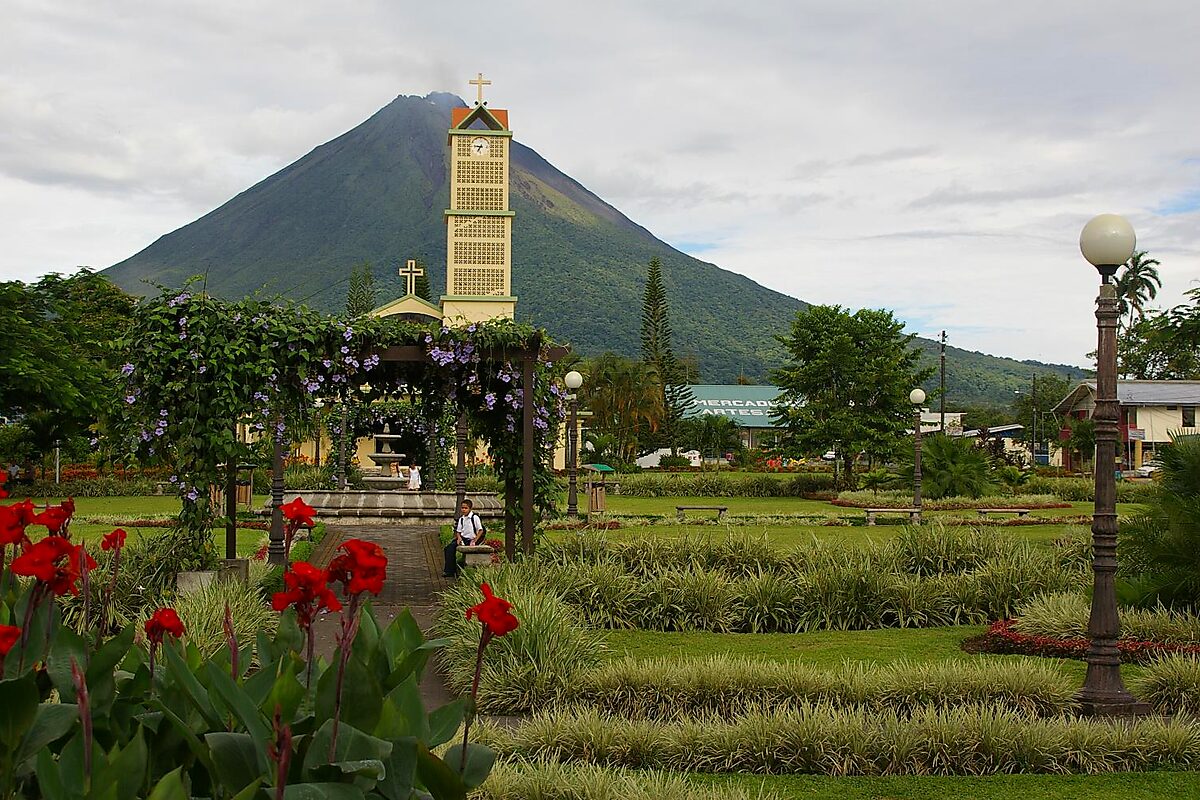
Costa Rica: Pura Vida — How to Slow Down and Actually Arrive
Costa Rica is not a destination you visit. It is a philosophy you adopt. A 7-day journey that teaches you to stop planning and start noticing.
TL;DR
Costa Rica is not a place you conquer. It is a place that softens you. Seven days here should not be packed with zip-lines and volcano hikes back to back. It should be half adventure and half permission to stop. This guide gives you a route through Arenal, Monteverde, and Manuel Antonio that balances wildlife encounters with mornings that have no agenda. The goal is not to see everything. The goal is to come home and realize you have stopped rushing.
Who This Guide Is For
Travelers who arrive with a checklist and leave with a slower heartbeat. First-timers who want the classic volcano-to-beach route without the 6 a.m. alarm every day. Anyone who has heard “Pura Vida” on Instagram and wants to know what it actually feels like on the ground. This guide assumes you are comfortable with bumpy roads, tropical rain, and the idea that a sloth crossing the road is more important than your dinner reservation.
Quick Facts
| Question | Answer |
|---|---|
| Best time to visit | December–April (dry season) |
| Typical duration | 7 days |
| Difficulty | Easy |
| Typical daily budget | $60–$120 USD |
| Core principle | Pura Vida — slow down, connect, arrive |
| Best for | Wildlife, hiking, beaches, eco-lodges, healing |
Before You Go
Checklist
Documents & Money
- Passport with 6+ months validity
- Cash: withdraw 50,000–100,000 CRC ($80–$160) at airport ATM (Banco de Costa Rica has the best rates)
- Travel insurance with medical coverage (mandatory for entry); see ICT Costa Rica for entry requirements
- Digital nomad visa or tourist visa waiver; check current rules at Costa Rica Immigration
- Copy of passport stored in cloud
Apps to Download
- Google Maps offline (cell service is spotty in cloud forests)
- Waze for driving (better than Google Maps on Costa Rican roads)
- WhatsApp (everyone uses it for reservations and directions)
- iNaturalist or Merlin for bird and wildlife ID
Gear
- Waterproof jacket (rain is sudden and heavy, even in dry season)
- Broken-in hiking shoes or trail runners
- Quick-dry clothing (avoid cotton in the rainforest)
- Insect repellent with DEET
- Sunscreen (reef-safe for beach days)
- Reusable water bottle (tap water is potable in most tourist areas)
- Daypack with rain cover
- Headlamp (for night walks and power outages)
Getting There
Most international visitors arrive at Juan Santamaría International Airport (SJO) near San José. For official flight information, see AERIS. Direct flights operate from major US hubs, Toronto, and select European cities. Liberia (LIR) in Guanacaste is an alternative if you are skipping the capital and heading straight to the Pacific coast.
| From | To | Time | Cost |
|---|---|---|---|
| Airport → San José | Taxi / Uber | 20–40 min | $25–$45 |
| Airport → Alajuela | Taxi | 15–25 min | $15–$30 |
| Domestic flight SJO → Liberia | Sansa / Costa Rica Green Airways | 45 min | $80–$150 |
Where to Stay
For this itinerary, rotate between three bases so you are not packing and unpacking every day. Arenal for volcano energy and hot springs. Monteverde for cloud forest mist and suspension bridges. Manuel Antonio for Pacific beaches and national park wildlife.
| Area | Best For | Price Range per Night |
|---|---|---|
| Arenal Volcano | Hot springs, adventure, volcano views | $80–$250 |
| Monteverde Cloud Forest | Misty forest, suspension bridges, coffee | $70–$220 |
| Manuel Antonio | Beaches, national park, surf | $60–$200 |
Budget eco-lodges and boutique hostels run $30–$60 per night. Mid-range eco-lodges with breakfast and hot springs access run $80–$150. As of 2025, prices have stabilized post-pandemic but popular lodges book out weeks ahead during December–April.
Where to Eat
Costa Rican food is simpler than it looks. Gallo pinto for breakfast, casado for lunch, and fresh fruit everywhere. The rule: if a soda (local eatery) has a line of locals at noon, the food is good and the price is right.
| Meal | Recommendation | Location | Approx. Cost |
|---|---|---|---|
| Breakfast | Gallo pinto with eggs and plantains | Local soda | ₡3,000–6,000 ($5–$10) |
| Lunch | Casado with rice, beans, salad, and protein | Family-run soda | ₡4,000–8,000 ($7–$14) |
| Dinner | Ceviche or grilled fish with Caribbean rice | Beachfront restaurant | ₡8,000–15,000 ($14–$26) |
| Snack | Fresh mango or passion fruit from a fruit stand | roadside stand | ₡1,000–2,000 ($2–$3) |
Reservation tip: Eco-lodges often include dinner. If you want to eat out in Manuel Antonio, reserve at sunset restaurants two to three days ahead. Walk-in lunch is always easier.
Day-by-Day Itinerary
Day 1: San José to Arenal Volcano
Arrive at SJO, pick up a rental car or hire a shuttle, and drive 3 hours north to La Fortuna. Check into an eco-lodge with hot springs. Spend the afternoon at La Fortuna Waterfall — 500 steps down, 500 steps up, and a cold pool at the bottom that resets your nervous system. Evening in the hot springs watching the volcano silhouette against the sky.
| Time | Activity | Location | Notes/Tips |
|---|---|---|---|
| 10:00 a.m. | Arrive SJO, pick up car | San José | Buy local SIM at airport |
| 1:00 p.m. | Drive to Arenal | Highway 1 | 3 hours, paved road |
| 3:30 p.m. | Check in, settle | La Fortuna | Ask for volcano view room |
| 5:00 p.m. | La Fortuna Waterfall | La Fortuna | Arrive before 4 p.m., $20 entry |
| 7:30 p.m. | Dinner at local soda | La Fortuna | Try casado with chicken |
| 9:00 p.m. | Hot springs | Eco-lodge | Bring swimsuit and towel |
Plan B: If the waterfall is closed for maintenance (it happens), spend the afternoon at Tabacón Hot Springs instead. The river-fed pools are stunning and the rainforest setting is unbeatable.
Day 2: Arenal — Hanging Bridges and Sloths
Morning at Mistico Hanging Bridges in the Arenal Hanging Bridges Reserve. Six bridges suspended 30–70 meters above the forest floor. Howler monkeys announce themselves before you see them. Afternoon at the Arenal Volcano National Park main trail — the 1968 trail is the best for seeing lava rocks and secondary forest regrowth. Evening at a sloth sanctuary or night walk to spot frogs and kinkajous.
| Time | Activity | Location | Notes/Tips |
|---|---|---|---|
| 7:00 a.m. | Breakfast at lodge | La Fortuna | Gallo pinto and fresh juice |
| 8:30 a.m. | Mistico Hanging Bridges | Arenal Reserve | Go early; crowds arrive by 10 a.m. |
| 12:00 p.m. | Lunch in La Fortuna | La Fortuna | Try the tapado if it is on the menu |
| 2:00 p.m. | Arenal Volcano National Park | Arenal | 1968 trail, 2–3 hours |
| 5:00 p.m. | Return to lodge | La Fortuna | Rest and shower |
| 7:00 p.m. | Night walk or sloth sanctuary | La Fortuna | Book through your lodge |
Plan B: If it rains hard in the afternoon, skip the national park and do the La Fortuna Waterfall instead, or book a chocolate tour at a nearby cacao farm. Most farms run tours at 2 p.m.
Day 3: Arenal to Monteverde
Drive 2.5 hours northwest to Monteverde. The road is paved until the last 20 kilometers, then turns to gravel. Go slow. Check into a cloud forest lodge with a hummingbird garden. Spend the afternoon on the Sky Walk or Selvatura Hanging Bridges — the cloud forest feels different from the rainforest. Mist clings to the tree canopy, and epiphytes grow on everything. Evening at the lodge with a hot drink and the sound of frogs.
| Time | Activity | Location | Notes/Tips |
|---|---|---|---|
| 8:00 a.m. | Breakfast and pack | La Fortuna | Fill up gas in Tilarán |
| 9:30 a.m. | Drive to Monteverde | Route 142 | 2.5 hours, last 20 km gravel |
| 12:30 p.m. | Lunch in Santa Elena | Santa Elena | Try the organic salad at a cafe |
| 2:00 p.m. | Check in, settle | Monteverde | Ask for a room with a view |
| 3:30 p.m. | Hanging bridges walk | Cloud forest | 2–3 hours, wear layers |
| 7:00 p.m. | Dinner at lodge | Monteverde | Farm-to-table if available |
Plan B: If the mist is too thick for bridges, do the Monteverde Cloud Forest Reserve main trail instead — the lower elevation means fewer clouds, and the wildlife is excellent.
Day 4: Monteverde — Coffee, Zip-Lines, and Night Walks
Morning tour of a coffee plantation — Monteverde produces some of the best high-altitude coffee in the world. Learn how a cherry becomes a cup, then taste the difference between light and dark roast. Afternoon zip-line canopy tour or the new Sky Tram for a slower aerial view of the canopy. Evening night walk in the cloud forest to spot tree frogs, tarantulas, and kinkajous. This is the day you stop rushing and start noticing.
| Time | Activity | Location | Notes/Tips |
|---|---|---|---|
| 8:00 a.m. | Breakfast at lodge | Monteverde | Gallo pinto with local coffee |
| 9:30 a.m. | Coffee plantation tour | Monteverde | 2 hours, includes tasting |
| 12:00 p.m. | Lunch in Santa Elena | Santa Elena | Vegetarian options at Cafe Montaña |
| 2:00 p.m. | Zip-line or Sky Tram | Monteverde | Book in advance; rain cancels |
| 5:00 p.m. | Rest at lodge | Monteverde | Hot shower, change clothes |
| 7:30 p.m. | Night walk | Cloud forest | Bring a headlamp and rain jacket |
Plan B: If the zip-line is closed due to wind, substitute a butterfly garden or hummingbird gallery visit. Both are nearby and equally meditative.
Day 5: Monteverde to Manuel Antonio
Drive 4 hours south to Manuel Antonio on the Pacific coast. The road is paved and scenic — you will pass through coffee country and coastal valleys. Check into a beachfront eco-lodge or boutique hotel just outside the national park. Spend the afternoon on Playa Manuel Antonio — white sand, warm water, and monkeys in the trees behind you. No agenda. No checklist. Just the Pacific.
| Time | Activity | Location | Notes/Tips |
|---|---|---|---|
| 8:00 a.m. | Breakfast and checkout | Monteverde | Fill up gas in Quepos |
| 9:30 a.m. | Drive to Manuel Antonio | Route 27 | 4 hours, scenic coastal route |
| 1:30 p.m. | Lunch in Quepos | Quepos | Fresh fish at a seaside soda |
| 3:00 p.m. | Check in, beach time | Manuel Antonio | Walk to the sand |
| 5:00 p.m. | Sunset at Playa Espadilla | Manuel Antonio | Bring sunscreen and water |
| 7:30 p.m. | Dinner at lodge | Manuel Antonio | Try arroz con mariscos |
Plan B: If the drive feels too long, break it up with a stop at Tarcoles River for a crocodile boat tour. It is 30 minutes off the main road and wildly entertaining.
Day 6: Manuel Antonio National Park
Morning hike in Manuel Antonio National Park — the trail to La Playita and Punta Catedral offers the classic postcard view: white sand, turquoise water, and monkeys in the canopy. The park limits visitors to 600 per day; arrive at opening (7 a.m.) to beat the crowds and see wildlife at its most active. Afternoon is free: surf, read, nap, or kayak in the estuary. This is the day you realize you do not need to fill every hour.
| Time | Activity | Location | Notes/Tips |
|---|---|---|---|
| 6:30 a.m. | Breakfast | Manuel Antonio | Light, pack snacks |
| 7:00 a.m. | Enter national park | Manuel Antonio NP | $16 entry, book online |
| 8:00 a.m. | Hike to Punta Catedral | Manuel Antonio NP | 2–3 hours, easy trail |
| 11:00 a.m. | Beach time | La Playita | Swim, relax, watch monkeys |
| 1:00 p.m. | Lunch at park exit | Manuel Antonio | Fresh fruit and smoothies |
| 3:00 p.m. | Free time | Manuel Antonio | Surf, kayak, or nap |
| 6:30 p.m. | Sunset catamaran or beach walk | Manuel Antonio | Book a catamaran if you want a splurge |
Plan B: If the park is at capacity (it happens), walk the public beach trail from the town instead. The view is almost as good, and you will have the sand mostly to yourself.
Day 7: Manuel Antonio to San José
No alarm. Breakfast with the sound of the Pacific. Pack slowly. If you have time, stop at a fruit stand on the drive back and buy a bag of mangoes or papayas for the road. Drive 4 hours back to San José. Stop at a soda for a final casado. Arrive at SJO with a slower pulse and a different idea of what a good day looks like.
| Time | Activity | Location | Notes/Tips |
|---|---|---|---|
| 8:00 a.m. | Slow breakfast | Manuel Antonio | No agenda |
| 10:00 a.m. | Pack and checkout | Manuel Antonio | Leave early to beat traffic |
| 11:00 a.m. | Drive to San José | Route 27 | 4 hours, stop for lunch |
| 2:00 p.m. | Lunch in stop | Central Valley | Try a typical soda |
| 4:00 p.m. | Arrive SJO area | San José | Return car, check in |
| 7:00 p.m. | Final dinner | San José | Celebrate the week |
Plan B: If your flight is late, spend the afternoon at La Paz Waterfall Gardens on the drive back. It is 45 minutes from the airport and a gentle end to the trip.
Practical Tips
- Driving: Rent a 4x4 if you are visiting during green season (May–November). Roads are paved on main routes but gravel on the last kilometers to Monteverde. Gas stations are sparse outside towns — fill up when you see one.
- Cash: Credit cards work in most tourist areas, but small sodas and fruit stands take cash only. Always carry ₡10,000–20,000 ($16–$33) in small bills.
- Tipping: 10% is standard in restaurants if service is not already included. Tour guides and drivers appreciate $5–$10 per day.
- Safety: Costa Rica is safe for tourists, but do not leave valuables visible in parked cars. Theft from rental cars is the most common crime targeting visitors.
- Electricity: 110V with Type A/B plugs (same as the US). No adapter needed if you are coming from North America.
- Language: Spanish is the official language. English is widely spoken in tourist areas, but a few phrases go a long way. For official tourism information, see ICT.
Before You Go: Last-Minute Checks
- Car reservation: Confirm your rental car is a 4x4 with spare tire and jack. Gravel roads puncture tires.
- Park reservations: Manuel Antonio National Park now requires online reservations for entry. Book 2–3 days ahead during peak season.
- Lodge confirmations: Eco-lodges in Monteverde and Arenal often require shuttle pickup times. Confirm your arrival time with them.
- Flight insurance: Domestic flights between San José and Liberia are frequently delayed or canceled due to weather. Build buffer time into connections.
- Health: No vaccines are required for entry, but routine vaccines and hepatitis A are recommended. Dengue fever exists — use insect repellent in the mornings and evenings.
Insider Tips
Buy a local SIM at the airport (Kolbi or Movistar) for $10–$15 with data. It works everywhere except the deepest cloud forest. If you want to avoid the tourist restaurants in Manuel Antonio, walk 15 minutes south of the park entrance to Quebrada Ganado — a tiny soda with fresh fish caught that morning. In Monteverde, skip the crowded night walks at the big reserves and book a private night walk with a local guide instead. You will see more wildlife and learn ten times as much.
Local tip: When someone says “Pura Vida,” they are not selling you something. They are reminding you that life is good right now. The best response is to say it back, mean it, and slow down.
Etiquette & Culture
- Pura Vida: This is more than a slogan. It is a greeting, a goodbye, and a philosophy. Use it freely.
- Ticos: Costa Ricans call themselves Ticos (and Ticas). It is affectionate, not offensive. Call them that and you will make friends instantly.
- Tipping: 10% in restaurants. Tour guides and drivers appreciate $5–$10 per day. Bellhops and housekeepers appreciate $1–$2 per day.
- Dress: Beachwear is for the beach. In towns and restaurants, casual neat is appreciated. Sandals are fine everywhere except nicer San José restaurants.
- Punctuality: Tico time is relaxed. Tours start when everyone arrives, not necessarily on the minute. Go with it.
Useful Phrases (Spanish)
| Phrase | Pronunciation | Use |
|---|---|---|
| Pura Vida | POO-rah VEE-dah | Hello / Goodbye / Life is good |
| Gracias | GRAH-see-ahs | Thank you |
| Por favor | por fah-VOR | Please |
| Cuánto cuesta | KWAN-toh KWES-tah | How much does it cost? |
| ¿Habla inglés? | AH-blah een-GLEHS? | Do you speak English? |
| La cuenta, por favor | lah KWEN-tah por fah-VOR | The check, please |
FAQs
Is 7 days enough for Costa Rica? Yes, if you focus on one region or do the classic volcano-to-beach route. Trying to add the Caribbean coast or the Nicoya Peninsula in the same week means spending half your life in a shuttle. Seven days gives you depth, not breadth. Sources: wikitravel · lonelyplanet.com · Visit Costa Rica
Do I need a 4x4? Not strictly. The main highways are paved. But if you are driving to Monteverde or any beach town during green season, a 4x4 gives you confidence on gravel and during sudden downpours. Sources: wikitravel · lonelyplanet.com
Is Costa Rica safe? Yes. Petty theft is the main risk — do not leave bags visible in parked cars and watch your phone on crowded buses. Violent crime against tourists is rare. Sources: US State Department · wikitravel
What is Pura Vida actually mean? It translates to “pure life,” but it functions as a full sentence. It means everything is good, life is beautiful, and you should slow down and enjoy it. Say it often. Sources: Visit Costa Rica · wikitravel
Can I use US dollars? Some hotels and tour operators accept dollars, but you will get better prices and easier transactions in colones. Withdraw CRC from ATMs. Sources: wikitravel · lonelyplanet.com
Do I need vaccines? No vaccines are required for entry. Hepatitis A, typhoid, and routine vaccines are recommended. Dengue is present — use insect repellent. Sources: CDC · wikitravel
Related Guides
- Hiking the Torres del Paine W Trek — contrast Costa Rican rainforests with Patagonian winds
- Scuba Diving in Raja Ampat — continue your nature immersion underwater
- Three Days in Tokyo — for travelers who want to contrast city intensity with Costa Rican calm
The best trips do not just move you across a map. They change how you see the world. Use this guide to build your own story.
Start Planning Your Story