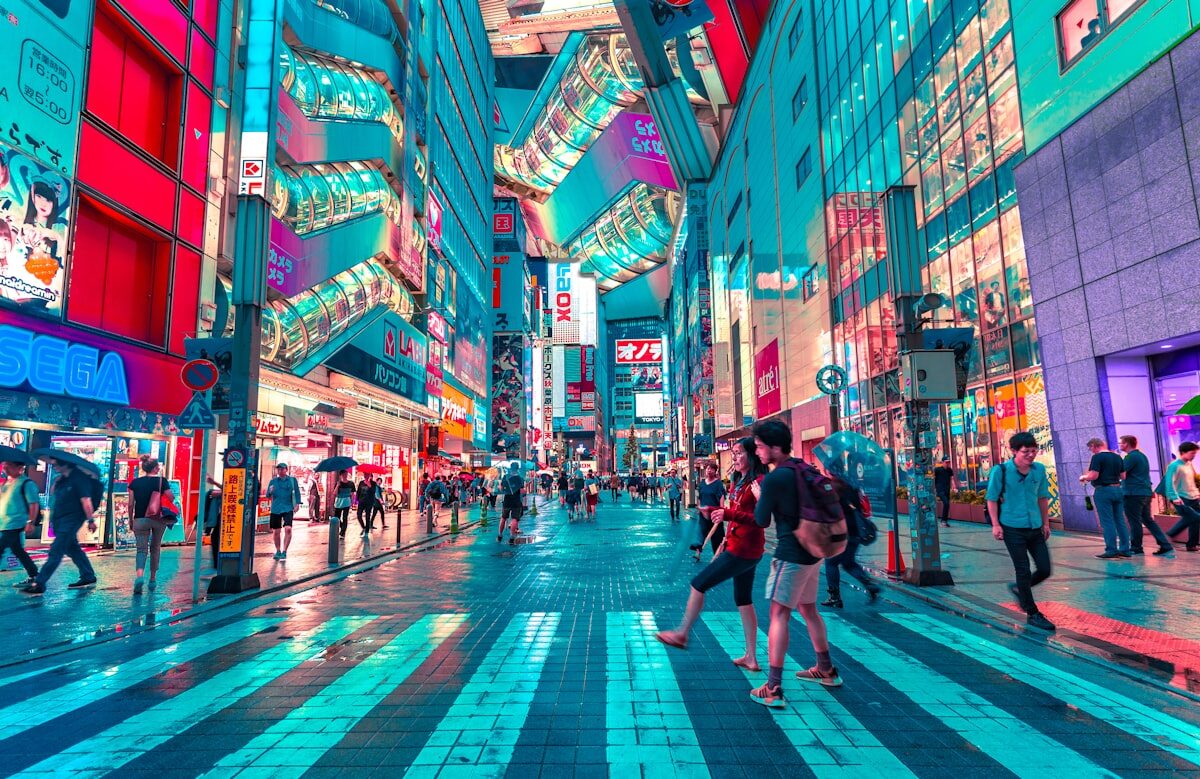
Three Days in Tokyo
Three days in Tokyo is not enough to see everything. It is enough to fall in love with a city that rewards curiosity, discipline, and getting lost on purpose.
TL;DR
Three days in Tokyo is not a sightseeing checklist. It is a first chapter. You will eat where the locals eat, move through neighborhoods that feel like different centuries, and discover that the city rewards people who slow down long enough to notice the details. This guide is built for first-time visitors who want to arrive curious and leave changed.
Who This Guide Is For
First-time visitors who want a structured but flexible itinerary without a tour group. This plan assumes you are comfortable using public transit and walking 10,000+ steps per day.
Quick Facts
| Question | Answer |
|---|---|
| Best time to visit | March-May (cherry blossoms) or October-November (cool, clear) |
| Typical duration | 3 days |
| Difficulty | Easy |
| Typical daily budget | ¥12,000-22,000 ($75-140 USD) |
| Transport | Suica / Pasmo card for all trains and buses |
| Cash needed | Many smaller restaurants are cash-only |
Before You Go
Checklist
Documents & Money
- Passport (carry at all times; police can request ID)
- Visa: 90-day visa-free entry for many nationalities (US, EU, AU, UK, etc.). Japan’s Digital Nomad Visa (6 months, extendable) launched 2024 — check eligibility if staying longer. Verify current requirements at Japan Embassy before travel.
- Cash: withdraw ¥50,000+ ($320+) at airport 7-Eleven ATM
- Suica or Pasmo card purchased and loaded
- Pocket Wi-Fi or eSIM activated
Apps to Download
- Google Maps (offline maps for subway lines)
- Google Translate (camera mode for menus)
- Suica / Pasmo app for balance checks
- Tabelog or Gurunavi for restaurant reservations
Gear
- Comfortable walking shoes (you will hit 15,000+ steps)
- Compact daypack
- Portable charger
- Reusable water bottle (vending machines everywhere)
Getting There
Most international visitors arrive at Narita (NRT) or Haneda (HND). Haneda is 30 minutes from central Tokyo; Narita is 1-1.5 hours. Both airports have clear English signage for trains, buses, and taxis.
| From | To | Time | Cost |
|---|---|---|---|
| Haneda → Shibuya | Keikyu + JR Yamanote | ~30 min | ¥450 ($3) |
| Narita → Shibuya | Narita Express + JR Yamanote | ~75 min | ¥3,000 ($19) |
| Airport taxi | Central Tokyo | 30-90 min | ¥15,000-25,000 ($95-160) |
Where to Stay
Pick a neighborhood based on your priorities. Shibuya is central and great for nightlife. Shinjuku has the best train connections and budget hotels. Asakusa feels more traditional and is quieter. For this itinerary, Shibuya or Shinjuku are the most convenient.
| Neighborhood | Best For | Price Range per Night |
|---|---|---|
| Shibuya | Nightlife, shopping, central location | ¥20,000-40,000 ($125-250) |
| Shinjuku | Transport hub, budget hotels, food | ¥12,000-30,000 ($75-190) |
| Asakusa | Traditional atmosphere, temples | ¥10,000-25,000 ($65-160) |
Budget hotels and hostels in Shinjuku start around ¥8,000-12,000/night ($50-75). Mid-range business hotels in Shibuya run ¥18,000-35,000/night ($115-225). As of 2025, prices have stabilized post-pandemic but popular areas still book out weeks ahead during cherry blossom season.
Where to Eat
Tokyo has more Michelin stars than any other city, but the best meals are often cheap. Eat at conveyor-belt sushi counters in Harajuku, yakitori stalls in Omoide Yokocho, and ramen shops near every major station. Tsukiji Outer Market is the place for tamagoyaki and fresh uni bowls at breakfast.
| Meal | Recommendation | Location | Approx. Cost |
|---|---|---|---|
| Breakfast | Tamagoyaki and uni at Tsukiji Outer Market | Tsukiji | ¥2,000-4,000 ($13-25) |
| Lunch | Conveyor-belt sushi | Harajuku | ¥1,500-3,000 ($10-19) |
| Dinner | Yakitori and beer | Omoide Yokocho, Shinjuku | ¥3,000-6,000 ($19-38) |
| Late night | Ramen near your hotel | Most neighborhoods | ¥900-1,500 ($6-10) |
Reservation tip: Many popular ramen shops and sushi counters accept no reservations — arrive before 11:30 a.m. or after 2 p.m. to skip the queue. Conveyor-belt sushi usually has a short turnover, so a 15-minute wait is normal.
Day-by-Day Itinerary
Day 1: Shibuya, Harajuku, and Shinjuku
Start at Shibuya Crossing, then walk north through Harajuku. Visit Meiji Shrine around 9 a.m. before the crowds arrive. Lunch on Takeshita Street. Spend the afternoon on Omotesando and in the smaller side streets of Shibuya. Evening in Shinjuku at Omoide Yokocho for yakitori.
| Time | Activity | Location | Notes/Tips |
|---|---|---|---|
| 8:00 a.m. | Shibuya Crossing | Shibuya | Go early before the crowds |
| 9:30 a.m. | Meiji Shrine | Harajuku | Forest setting, quiet in the morning |
| 12:00 p.m. | Conveyor-belt sushi lunch | Harajuku | Try the tamago and salmon roe |
| 2:00 p.m. | Omotesando shopping | Harajuku | Window shopping and side streets |
| 5:00 p.m. | Explore Shibuya backstreets | Shibuya | Nonbei Yokocho for a quick drink |
| 7:00 p.m. | Yakitori dinner | Shinjuku | Omoide Yokocho, arrive by 7:30 p.m. |
Plan B: If it rains, swap the afternoon walk for the Tokyo Metropolitan Government Building (free observation deck) or the nearby Tokyu Hands for souvenirs.
Day 2: Asakusa, Akihabara, and Ueno
Explore Asakusa and Senso-ji before 8 a.m. to beat tour groups. Walk or take the subway to Akihabara for electronics and anime culture, or switch to Ueno Park and the Tokyo National Museum if electronics are not your interest. Return to Asakusa for a riverside dinner.
| Time | Activity | Location | Notes/Tips |
|---|---|---|---|
| 7:30 a.m. | Senso-ji Temple | Asakusa | Arrive early, Kaminarimon Gate is quieter |
| 9:00 a.m. | Snack the side streets | Asakusa | Melon pan and matcha near the temple |
| 11:00 a.m. | Electronics / anime district | Akihabara | Multi-floor shops and maid cafes |
| 2:00 p.m. | Tokyo National Museum | Ueno Park | Allow 2-3 hours minimum |
| 6:00 p.m. | Tempura dinner | Asakusa | Restaurants near Kaminarimon Gate |
Plan B: If the museum is closed or you prefer nature, walk through Ueno Park to Shinobazu Pond and rent a rowboat (¥2,000/$13 for 30 minutes).
Day 3: Tsukiji, Ginza, and Roppongi
Visit Tsukiji Outer Market for breakfast. Walk to Ginza for window shopping and the Sony Park exhibits. End the trip at Roppongi Hills or Tokyo Tower for final skyline views.
| Time | Activity | Location | Notes/Tips |
|---|---|---|---|
| 8:00 a.m. | Tsukiji Outer Market | Tsukiji | Arrive before 9 a.m., try uni bowls |
| 10:30 a.m. | Walk to Ginza | Ginza | 20-minute walk or one subway stop |
| 12:00 p.m. | Lunch and shopping | Ginza | Uniqlo flagship or Apple Store |
| 3:00 p.m. | Sony Park or free galleries | Ginza | Check current exhibitions |
| 6:00 p.m. | Final views | Roppongi / Tokyo Tower | Roppongi Hills observation deck |
Plan B: If Roppongi feels too commercial, take the subway to Shibuya Sky for a more modern observation deck with open-air sections (¥2,500/$16, book online).
Practical Tips
- Taxes: Japan has a 10% consumption tax on most goods and services. Tokyo additionally charges a hotel accommodation tax (¥100-200 per person per night depending on hotel rate). Prices in this guide include tax unless noted otherwise.
- Train card: Buy a Suica or Pasmo card at the airport (deposit ¥500 + load amount). You will use it for every train, bus, and vending machine.
- Cash: Many small restaurants, ticket machines, and shrines are cash-only. Withdraw yen at 7-Eleven ATMs, which reliably accept foreign cards. As of 2025, most ATMs charge ¥110-220 ($0.70-1.40) per foreign withdrawal.
- Tipping: Do not tip. It is not expected and can cause confusion.
- Rush hour: Avoid the subway between 7:30 and 9:30 a.m. if possible. Trains are extremely crowded. If you must travel then, wait for the last car, which is slightly less packed.
- Shoes: You will walk a lot. Wear broken-in sneakers or comfortable walking shoes. Many traditional restaurants require shoe removal.
- Trash bins: Rare on the street. Carry a small bag for trash and dispose of it at your hotel or convenience store.
Before You Go: Last-Minute Checks
- Suica balance: Check your card balance before each day. Top up at any station if below ¥1,000 ($6).
- Weather: March can still be cool (8-15°C / 46-59°F). Pack a light jacket. Check the 10-day forecast before flying.
- Museum closures: Many museums close Mondays. Check opening days if you plan to visit the Tokyo National Museum or Mori Art Museum.
- Restaurant reservations: For high-end sushi or kaiseki, book 2-4 weeks ahead via your hotel concierge or Tabelog.
Insider Tips
Buy a 24-hour subway pass only if you plan more than 6 rides in a single day; otherwise, tap your Suica card each time and the fares will be cheaper. If you want a quiet moment away from the crowds, visit the Nezu Museum in Aoyama — its garden is one of the most peaceful spots in central Tokyo. The museum’s café serves excellent matcha.
Local tip: Eat breakfast at Tsukiji Outer Market before 9 a.m. After 10 a.m., the crowds become overwhelming and some stalls close. The best tamagoyaki stands are the ones with the longest lines of locals.
Etiquette & Culture
- Temples: Bow slightly at the gate before entering. Wash your hands and mouth at the temizuya (water pavilion) before approaching the main hall.
- Trains: Keep conversations low. Phone calls are frowned for. Stand to the right on escalators in Tokyo; stand to the left in Osaka.
- Onsen (hot springs): If you visit one, wash and rinse thoroughly before entering the bath. No swimsuits. Tattoos may be banned at traditional onsen.
- Gifts: If visiting someone’s home, bring a small gift like fruit or snacks. Present it with both hands.
Useful Phrases (Japanese)
| Phrase | Romaji | Use |
|---|---|---|
| すみません | Sumimasen | Excuse me / Thank you |
| ありがとうございます | Arigatou gozaimasu | Thank you |
| これください | Kore kudasai | This, please |
| お会計お願いします | O-kaikei onegaishimasu | Check, please |
| トイレはどこですか | Toire wa doko desu ka | Where is the bathroom? |
| 英語が話せますか | Eigo ga hanasemasu ka | Do you speak English? |
Good to know (2026)
- Consumption tax: Japan has a 10% consumption tax on most goods and services. Prices in this guide include tax unless noted otherwise.
- Tokyo hotel accommodation tax: ¥100–200 per person per night depending on hotel rate. This is additional to the room price and collected at check-in.
- Cash is still king in small places. Many small restaurants, ticket machines, and shrines are cash-only. Withdraw yen at 7-Eleven ATMs, which reliably accept foreign cards. See JNTO for official travel info.
- Suica/Pasmo are essential. Buy one at the airport (deposit ¥500 + load amount). You will use it for every train, bus, and vending machine.
- Temple and shrine etiquette: Remove shoes when required. Bow slightly at torii gates and temple entrances. Wash hands and mouth at the temizuya before entering.
FAQs
Is 3 days enough for Tokyo? Yes, if you focus on a few neighborhoods and accept that you will miss most of the city. Tokyo is enormous; use this itinerary as a starting point and return for specific interests like anime, art, or day trips. Sources: JNTO · japan-guide.com · r/JapanTravel
Do I need to speak Japanese? Not for this itinerary. Major stations have English signage, and Google Translate’s camera mode handles menus. Learning a few phrases — arigato, sumimasen, kore kudasai — is appreciated but not required. Sources: japan-guide.com · r/JapanTravelTips
How do I get from the airport to the city? Haneda is 30 minutes by train (¥450/$3). Narita is 1-1.5 hours (¥3,000/$19). Both airports have clear English signage for trains, buses, and taxis. Sources: US State Dept Japan · JNTO
What should I pack? Comfortable walking shoes, a compact daypack, a portable charger, and a reusable water bottle. If you are visiting in spring or autumn, bring a light jacket for cooler evenings. Sources: r/JapanTravelTips · wikitravel
Are credit cards widely accepted? Major hotels and department stores accept cards, but many restaurants, shrines, and markets are cash-only. Always carry yen. Sources: japan-guide.com · r/JapanTravelTips
Prices and visa requirements last verified: August 2026. Exchange rates approximate (1 USD ≈ 155 JPY). Verify current rates and requirements before travel.
Related Guides
- Scuba Diving in Raja Ampat — for an underwater adventure after Tokyo
- Hiking the Torres del Paine W Trek — contrast city life with Patagonian wilderness
The best trips do not just move you across a map. They change how you see the world. Use this guide to build your own story.
Start Planning Your Story