Italian Dolomites: The Complete Hiking Guide to the Alta Via and Beyond
The Dolomites in 2026: limestone spires that glow pink at sunset, rifugi culture, and the Alta Via trails. Best hikes, via ferrata, and drives for 7–10 days.
Italian Dolomites: The Complete Hiking Guide to the Alta Via and Beyond
TL;DR
The Dolomites are not a single destination — they are a vertical cathedral of limestone that changes color with the light and demands you show up fully present. The Alta Via 1 is the classic hut-to-hut traverse: 120 km from Lago di Braies to Belluno through rifugi, mountain passes, and some of the most photographed scenery in the Alps. Tre Cime di Lavaredo delivers the iconic three-peak loop. Seceda and Alpe di Siusi offer ridge walks with gondola access. Cortina d’Ampezzo and Val Gardena are the best bases, each with distinct vibes. This guide covers the booking hacks, rifugi etiquette, via ferrata options, and timing rules that make a Dolomites trip feel like entering another world rather than checking off a bucket list.
Who This Guide Is For
First-timers who want the iconic Dolomites without the crowd stress. Hikers ready for hut-to-hut accommodation and moderate alpine terrain. Photographers chasing the Enrosadira sunset glow. Via ferrata beginners looking for their first iron-cable experience. Road-trippers who want scenic drives between trailheads. Anyone who has seen Lago di Braies on Instagram and wants to know how to actually get there before the shuttle buses arrive. Winter sports lovers planning a ski season return.
This guide assumes you are comfortable with moderate hiking (up to 15 km), willing to book rifugi weeks in advance, and ready to treat the Dolomites as a sequence of distinct alpine experiences rather than a single checklist.
Quick Facts
| Question | Answer |
|---|---|
| Best time to go | June–September (hiking), December–March (skiing) |
| Typical duration | 7–10 days for Alta Via 1 + highlights; 5–7 days for day hikes |
| Difficulty | Moderate (Alta Via 1) to Strenuous (via ferrata) |
| Typical daily budget | EUR €120–200/person (mid-range), €80–120 (budget rifugi) |
| Core principle | Book rifugi early, respect the mountains, show up for the sunset |
| Best for | Hiking, via ferrata, photography, rifugi culture, scenic drives, winter sports |
Before You Go
Checklist
Documents & Money
- Passport (EU/Schengen citizens need only national ID)
- Credit card for rifugi, restaurants, and cable cars (many mountain huts do not accept cards; bring EUR cash)
- EUR cash for remote rifugi, parking, and small villages (ATM access is limited above 2,000 m)
- Travel insurance that covers alpine activities and helicopter rescue (mandatory for via ferrata)
Apps to Download
- Komoot or Wikiloc for offline trail maps (cell service is spotty in valleys)
- Dolomites Guide or Outdooractive for route conditions and rifuguio booking links; see also Dolomites.it
- Trenitalia or ÖBB for train schedules (if traveling without a car)
- Weather CAN or MeteoSwiss for mountain forecasts (afternoon thunderstorms build fast)
Gear
- Sturdy hiking boots or approach shoes (rocky, technical terrain)
- Trekking poles (essential for ridge traverses and descent impact)
- Daypack with rain jacket and extra layers (weather shifts in minutes)
- Via ferrata set, helmet, and harness if attempting ferrata routes
- Headlamp for early-mountain starts and rifuguio corridors
- Sleeping bag liner (rifugi provide blankets but not sheets)
- Water bottle or hydration bladder (refill stations at most rifugi)
Getting There
The Dolomites span northern Italy across South Tyrol, Trentino, and Veneto. The closest major airports are Venice Marco Polo (VCE), Verona (VRN), Innsbruck (INN), and Bolzano (BZO). Most visitors rent a car at the airport and drive into the mountains. The A22 autostrada runs from Verona through Bolzano to the Brenner Pass, with exits for Val Gardena, Val Badia, and Cortina d’Ampezzo. For official tourism and travel planning, see Italia.it.
| From | To | Time | Cost |
|---|---|---|---|
| Venice VCE → Cortina | Car rental / drive | 2.5 hrs | EUR €40–80/day rental |
| Venice VCE → Val Gardena | Car rental / drive | 2.5 hrs | EUR €40–80/day rental |
| Verona VRN → Bolzano | Car rental / drive | 1.5 hrs | EUR €35–70/day rental |
| Innsbruck INN → Val Gardena | Car rental / drive | 1.5 hrs | EUR €35–70/day rental |
| Bolzano → Ortisei | Bus (SAD or FlixBus) | 45 min | EUR €5–10 |
| Venice → Cortina | Cortina Express bus | 2.5 hrs | EUR €20–35 |
If you don’t want to rent a car, the Val Gardena Mobil Card covers free regional buses between villages and trailheads. Cortina has its own local bus network. The train from Venice or Verona to Calalzo di Cadore connects with buses to Cortina. Without a car, base yourself in Cortina or Ortisei — both have frequent service to major trailheads and cable cars.
Where to Stay
Cortina d’Ampezzo — the glamorous eastern hub. Restaurants, shops, and cable cars within walking distance. The 2026 Winter Olympics transformed the accommodation scene: historic grand hotels reopened as international luxury flags (Aman, Mandarin Oriental Cristallo from late 2026). For mid-range, try Hotel Olimpia or apartments in San Vito di Cadore. Budget beds are rare; book absurdly early.
Val Gardena (Ortisei / Santa Cristina / Selva) — the western alpine heart. Ortisei is the largest town with the most shops and restaurants. Selva di Val Gardena is the most picturesque and walkable. Santa Cristina sits between them. The cable car to Seceda departs from Ortisei; Alpe di Siusi is accessible from both. The Mobil Card gives free bus access to all lifts and trailheads.
Alta Badia (Corvara / San Cassiano) — quieter and more upscale. Corvara has the best lift access to the Pralongià plateau and Rifugio Bioch. San Cassiano is smaller and sleepier. Good for travelers who want five-star rifugi and fewer day-trippers.
Bolzano — the practical gateway. Good for arrival and departure nights, but not a mountain base. You will burn 60–90 minutes each way to trailheads. Skip it as a primary base unless you are on a tight budget or arriving late.
Rifugi (mountain huts) — the soul of Dolomites hiking. Book through individual rifugio websites or the CAI (Club Alpino Italiano) online system. Dormitory beds cost €30–€50; private rooms €60–€100. Half-board (breakfast + dinner) adds €25–€40. Popular huts on the Alta Via 1 sell out 6–8 weeks in advance for July and August. Bring a sleeping bag liner and cash.
What to Eat
Rifugi
- Rifugio Bioch (Pralongià, Alta Badia) — the gold standard for mountain hut food. Tagliatelle with mushrooms, house-made strudel, and a wine list that rivals valley restaurants. Book lunch 90 minutes ahead on summer weekends.
- Rifugio Nuvolau (Cinque Torri) — panoramic terrace, generous polenta and speck platters. The view from the table is the main course.
- Rifugio Lagazuoi — perched above the Cinque Torri, famous for its apple strudel still warm from the oven and its WWII tunnel history.
Val Gardena / Cortina
- L’Murin (Corvara) — Ladin specialties in a wood-panioned stube. Try the casunziei (beetroot ravioli) with browned butter and poppy seeds.
- Alajmo Cortina — brothers Max and Raffa Alajmo (Michelin-starred Le Calandre in Padua) built a culinary bridge between the Venetian lagoon and the Dolomites. Bone marrow with caviar on champagne risotto.
- Rifugio Firenze (Santa Cristina) — accessible by gondola from Col Raiser, excellent late lunch after a Seceda morning.
Dishes to Order
- Canederli / Knödel — bread dumplings in broth or with cheese and speck. The ultimate post-hike recovery meal.
- Casunziei — Ladin beetroot ravioli with browned butter and poppy seeds.
- Kaiserschmarrn — shredded sweet pancake with plum jam. Regularly eaten as a main course by anyone who has tried it once.
- Speck — cured mountain ham, thin slices with bread and pickles. The South Tyrol version is incomparable to supermarket versions.
- Goulash with polenta — Austrian influence on a cold afternoon at altitude. Impossible to improve.
Wine
- Alto Adige produces crisp white wines (Pinot Grigio, Gewürztraminer) and light reds (Schiava, Pinot Nero) that thrive at altitude. Look for labels from the Isarco Valley or Caldaro.
Day-by-Day Itinerary
Days 1–2: Arrival, Acclimatization, and Tre Cime di Lavaredo
Day 1: Arrive and settle in. Land at Venice VCE or Verona VRN, pick up your rental car, and drive 2–2.5 hours into the Dolomites. Check into your accommodation in Cortina d’Ampezzo or Val Gardena. If you have energy, drive to Passo Giau for a first sunset over the Cristallo group — the road is a series of dramatic switchbacks with pull-offs at every hairpin. Dinner at a local stube for canederli and local wine.
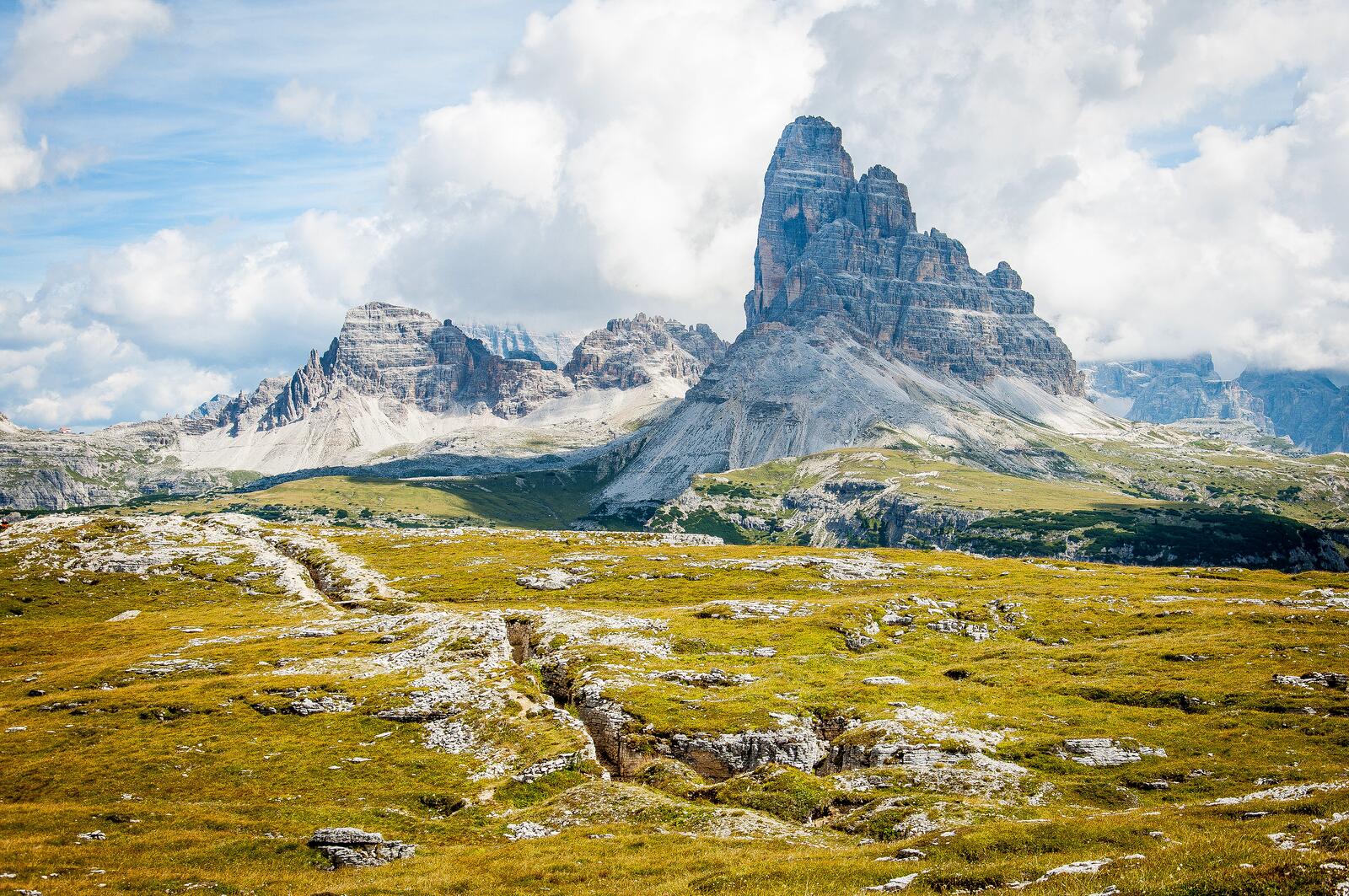
Day 2: Tre Cime di Lavaredo. This is the most consequential booking in your eastern Dolomites itinerary, within the Dolomites UNESCO World Heritage site. The toll road to Rifugio Auronzo costs €40 per car in 2026, and prior booking is mandatory — reserve your parking spot at least 2–3 days in advance (a week in high season). The Tre Cime circuit is 9.5 km, 480 m elevation gain, easy-moderate, and takes 2.5–3.5 hours. Start before 8 a.m. for empty trails and morning light through the three peaks. The loop passes Rifugio Locatelli for the panoramic viewpoint, then descends past the FORTEZZA walls. Plan B if the toll road is fully booked: park at Misurina Lake and hike the shorter loop from there, or swap this day for Lago di Sorapis (a 7 km hike to an impossible powder-blue lake).
Days 3–5: Alta Via 1 Intro or Val Gardena Deep Dive
Day 3: Lago di Braies and the AV1 start. During peak summer (July 1 to September 15 for 2026), the road to Lago di Braies is closed to private vehicles from 09:00 to 16:00. Book the public shuttle bus from Dobbiaco/Villabassa well in advance. Walk the 3.7 km shoreline loop for the iconic boathouse photos, then take the cable car or hike toward Rifugio Sennes for a taste of the Alta Via 1. If you are not doing the full AV1, this is a perfect day trip from Val Gardena. By 11 a.m., take the shuttle back to your base. Lunch at a rifugio on the Pralongià plateau.
Day 4: Seceda and Alpe di Siusi. Take the cable car from Ortisei to Seceda (8:30 a.m.–5 p.m. in summer). The ridge walk is 12 km, 600 m elevation gain, moderate, and takes 4–5 hours. The panorama of the Odle peaks from the north ridge is the defining Dolomites view. Descend via the Col Raiser lift or hike down to Santa Cristina. Afternoon: explore Alpe di Siusi (Seiser Alm), Europe’s largest high-alpine meadow. Gentle trails, wildflowers, and the Sassolungo backdrop. Rent a bike or take the cable car up from Castelrotto for easier access.
Day 5: Cinque Torri and Lagazuoi. Drive or bus to the Falzarego Pass area. The Cinque Torri loop is 8.5 km, 350 m elevation gain, easy-moderate, and takes 2–3 hours. The five limestone towers are a rock-climbing mecca, and the WWI open-air museum at the base adds historical depth. Continue to Rifugio Lagazuoi via cable car or hike the 4 km trail from the pass. The Lagazuoi tunnels are a fascinating WWI ascent — bring a headlamp. Sunset from the rifugio terrace is the Enrosadira phenomenon in its full glory: the rock faces turn from gray to burning orange-pink.
Days 6–7: Alta Via 1 Stretch or Cortina Culture
Day 6: Alta Via 1 stage or Val di Funes. If you are hiking the Alta Via 1, today is your first full mountain stage: Rifugio Sennes to Rifugio Fanes or Rifugio Lagazuoi to Rifugio Nuvolau, depending on your pace. The stages are 12–18 km with 700–1,000 m elevation gain. If you are day-hiking from Cortina, drive to Val di Funes (Funes Valley) for the St. Magdalena church viewpoint and the Adolf Munkel Trail to the Geisler Alm meadow. This is the most photographed valley in the Dolomites for a reason: the church of St. John in Ranui with the Odle peaks behind it is pure Pinterest.
Day 7: Rest day, via ferrata, or Cortina exploration. If you are feeling strong, book a guided via ferrata on the Santnerpass (C difficulty, half day, dramatic corridor through steep towers with views into the Vajolet Towers). Beginners should choose the Piccola Cir (B/C difficulty, 2–3 hours, perfect ferrata warm-up with a summit panorama over Val Gardena). If you prefer rest, spend the day in Cortina: browse the Corso Italia shops, visit the Basilica of San Filippo Neri, or take the cable car to Faloria for panoramic coffee.
Days 8–10: Return Via Scenic Passes
Day 8: Passo Giau and Lago di Sorapis. Drive the SP638 up to Passo Giau (2,236 m) for mind-blowing switchbacks and panoramic stops. The Lago di Sorapis hike is 7 km, 400 m elevation gain, moderate, and takes 3–4 hours return. The lake is an impossible powder-blue color caused by glacial sediment — it looks Photoshopped. The trail is rocky and exposed; wear good boots. Return to your base for a celebratory dinner.
Day 9: Marmolada or final rifugio night. If you have a car and energy, drive to the Marmolada, the highest peak in the Dolomites (3,343 m). The cable car from Penia takes you to the glacier plateau; the via ferrata to the summit is D difficulty and requires a guide. For a gentler final day, return to your favorite rifugio for one more half-board dinner with the same view you had on Day 3. The Dolomites reward returning to places.
Day 10: Departure. Slow breakfast with views. If departing from Venice, stop at the glass island of Murano or the market in Mestre for last-minute souvenirs. Drive to VCE or VRN. If you have time, the drive down the Val d’Adige through Bolzano and Merano is a gentle exit from the mountains.
Skip
- Trying to see everything in 5 days: the Dolomites look compact on a map, but mountain passes make driving slow. Staying multiple nights in each base saves hours behind the wheel.
- Driving to Lago di Braies in peak hours: private vehicles are banned from 09:00 to 16:00 between July 1 and September 15, 2026. Book the shuttle or arrive before 8 a.m.
- Skipping rifugio reservations: popular huts on the Alta Via 1 and near Tre Cime sell out 6–8 weeks in advance in July and August. Book online as soon as reservations open.
- Underestimating the cold: September mornings at 2,000 m can be near freezing. Layer up, even if the valley thermometer says 18°C.
- Paying for via ferrata without a guide for your first time: routes are not easy-marked trails. Weather, fatigue, and route choice are critical. A certified IFMGA guide costs €150–€250 per group for a full day.
- Leaving cash at home: many rifugi and small villages do not accept cards. Carry EUR for huts, parking, and mountain lunches.
What €150 a Day Actually Buys
Mid-range day: rifugio half-board (€45), breakfast at a valley café (€12), cable car to Seceda (€25), packed lunch at a rifugio (€15), Tre Cime parking/shuttle (€20), dinner at Cortina stube (€30), local wine (€8) = roughly €155. The remaining €45 buys a guided via ferrata half-day (€150 split between three people) or a second cable car experience. The Dolomites are one of the few places where €150/day buys genuine alpine luxury — limestone spires, rifugi hospitality, and sunsets that rewire your sense of color — if you plan around the expensive cable car traps.
One Thing You Can’t Skip
Sunset at Rifugio Nuvolau after the Cinque Torri hike. The hut sits at 2,575 m on a bare limestone shoulder with 360-degree views of the Tofane, the Cinque Torri, and the valley dropping away to Cortina. The Enrosadira phenomenon — the Dolomites’ famous pink-to-orange glow — hits the rock faces at golden hour and turns the entire world into a burning cathedral. You will sit on the terrace with a glass of local Schiava and a plate of polenta e speck, the wind dropping as the sun disappears, and you will understand why these mountains have their own name for light. The hut closes its kitchen at 8 p.m., so arrive by 7:30, order early, and claim the east-facing table. This is the moment the Dolomites sell themselves.
The best trips do not just move you across a map. They change how you see the world. Use this guide to build your own story.
Start Planning Your Story