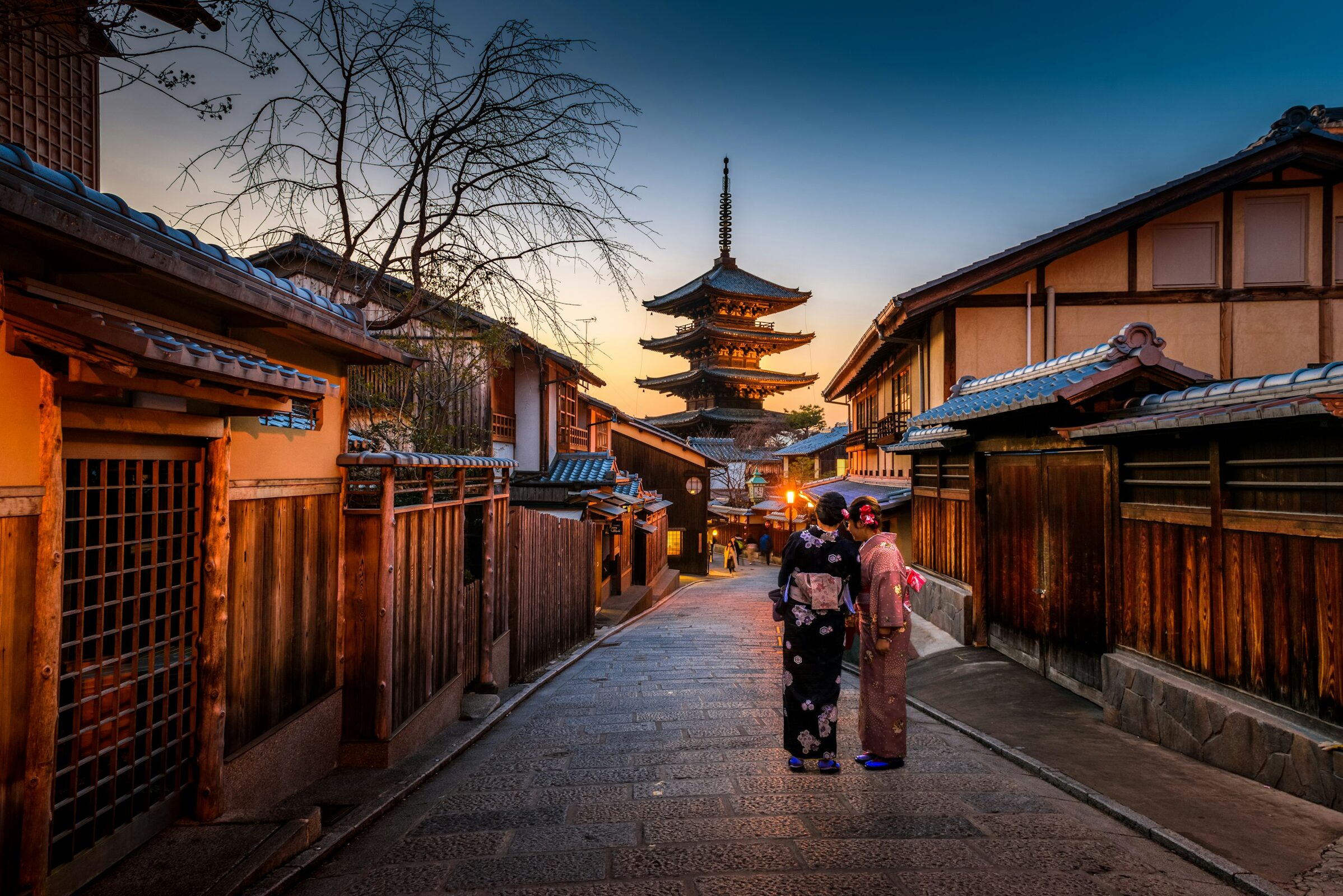
Kyoto: The Autumn Capital That Teaches You Impermanence
Kyoto is not a city you visit — it visits you. Four days among red maples at Tofukuji, moss at Sanzen-in, and a matcha bowl in a 200-year-old machiya.
TL;DR
Kyoto is the Japan that exists in your imagination — and it is real. Torii gates climb a mountain like red smoke, bamboo groves filter the light into green glass, and a 200-year-old tea master whisks matcha in a room where the only sound is a kettle. But Kyoto also has a trick: it makes you feel something you did not expect. The autumn leaves do not just look beautiful. They fall. And watching them fall from a wooden stage built 400 years ago makes you understand, for the first time, that beauty is not the opposite of loss. It is the proof of it. Four days here is not a vacation. It is a masterclass in noticing.
Who This Guide Is For
- First-time Japan visitors who want the spiritual and aesthetic core, not just Tokyo’s neon
- Autumn travelers chasing koyo (red maples) with a realistic timing plan
- Solo travelers who want safe, walkable, deeply foreign-yet-accessible culture
- Couples looking for ryokan romance without the hyper-luxury price tag
- Anyone who has ever stared at a Japanese garden and felt their chest tighten
- Travelers who believe the best souvenirs are memories, not objects
Quick Facts
| Question | Answer |
|---|---|
| Best time to visit | Late November – early December (autumn); April–May (spring) |
| Typical duration | 4 days |
| Difficulty | Easy |
| Typical daily budget | ¥12,000–25,000 ($80–170 USD) |
| Currency | Japanese Yen (¥) |
| Language | Japanese; English limited outside hotels/tourist areas |
| Transport | Bus, subway, JR train, taxi |
| Safety | Extremely safe; petty theft rare |
Before You Go
Checklist
Documents & Money
- Passport valid 3+ months beyond travel dates
- Visa: 90-day visa-free entry for US, EU, AU, UK, etc. as of 2026; check Japan Embassy for latest rules
- Japan Digital Nomad Visa available for 6-month stays if eligible
- Cash: withdraw ¥100,000+ ($640+) at airport 7-Eleven ATM
- Suica or Pasmo card purchased and loaded
- Pocket Wi-Fi or eSIM activated
Apps & Navigation
- Google Maps offline for Kyoto routes
- Hyperdia or Jorudan for train schedules
- Google Translate offline Japanese pack
- TableCheck or Pocket Concierge for kaiseki bookings
Gear
- Comfortable walking shoes with grip — temple paths are often stone and wood
- Light rain jacket — autumn weather shifts fast
- Daypack with secure zips
- Reusable water bottle — tap water is safe
- Hand towel (most public restrooms lack paper towels)
- Coin purse — ¥1,000 coins are heavy
Health
- Basic first-aid kit with blister treatment
- Hand sanitizer for temples and trains
- Motion sickness medication if prone (bus routes are winding)
Getting There
Kansai International Airport (KIX) is the main entry point. For official airport information, see KIX Airport. From KIX to Kyoto Station: Haruka Express train (75 min, ¥3,000) or airport bus (90 min, ¥2,600). Tokyo to Kyoto: Shinkansen (2.5 hr, ¥13,000).
| Route | From | To | Time | Cost |
|---|---|---|---|---|
| Haruka Express | KIX | Kyoto Station | 75 min | ¥3,000 |
| Airport Bus | KIX | Kyoto Station | 90 min | ¥2,600 |
| Shinkansen | Tokyo | Kyoto | 2.5 hr | ¥13,000 |
| Taxi | Kyoto Station | Central Kyoto | 10–20 min | ¥1,000–2,000 |
Visa note: As of 2026, 90-day visa-free entry applies to many nationalities. Japan’s Digital Nomad Visa (6 months, extendable) launched in 2024 — check eligibility if staying longer.
Where to Stay
Kyoto has three accommodation ecosystems: business hotels, machiya townhouses, and ryokan. For autumn foliage, book 3–4 months ahead.
| Type | Where | Price Range per Night | What You Get |
|---|---|---|---|
| Business Hotel | Kyoto Station area | ¥8,000–15,000 ($50–100) | Compact, efficient, near transport |
| Machiya Rental | Higashiyama, Gion | ¥15,000–30,000 ($100–200) | Traditional townhouse, kitchen, 2–4 guests |
| Mid-Range Ryokan | Arashiyama, Higashiyama | ¥25,000–50,000 ($160–320) | Tatami rooms, kaiseki dinner, onsen |
| Luxury Ryokan | Various | ¥50,000–150,000+ ($320–960+) | Private bath, multi-course kaiseki, omotenashi |
| Hostel | Near Kyoto Station | ¥3,000–5,000 ($20–35) | Dorm beds, clean, social |
Booking tip: For late November–early December, book 3–4 months ahead. Kyoto Station area offers the best transport access. Higashiyama offers atmosphere but fewer large hotels.
Where to Eat
Kyoto food is refined, seasonal, and deeply connected to its ingredients. A proper kaiseki dinner is an experience, not just a meal.
| Meal | Recommendation | Where | Approx. Cost |
|---|---|---|---|
| Breakfast | Set breakfast at ryokan | In-house | Included or ¥2,000–3,000 |
| Lunch | Nishiki Market walk | Nishiki | ¥1,000–2,000 |
| Dinner | Kaiseki (multi-course) | Gion, Higashiyama | ¥10,000–20,000 |
| Casual | Ramen or udon | Near Kyoto Station | ¥800–1,500 |
| Snack | Yatsuhashi (cinnamon sweet) | Various | ¥300–500 |
| Tea | Matcha + wagashi | Tea house in Gion | ¥1,000–2,500 |
| Street food | Takoyaki, okonomiyaki | Nishiki Market | ¥500–800 |
Etiquette: Tipping is not customary. Slurping noodles is polite. Say “itadakimasu” before eating and “gochisousama” after.
Day-by-Day Itinerary
Day 1: Eastern Kyoto — Kiyomizu-dera and the Path of Philosophy
Start at Kyoto’s most famous viewpoint and work your way down through the historic district.
| Time | Activity | Location | Notes/Tips |
|---|---|---|---|
| 6:00 a.m. | Kiyomizu-dera | Higashiyama | ¥400; arrive before 7 a.m. for empty wooden stage |
| 8:30 a.m. | Ninenzaka and Sannenzaka | Higashiyama | Cobblestone shopping streets; shops open at 10 a.m. |
| 10:00 a.m. | Kodai-ji Temple | Higashiyama | ¥600; moss garden, bamboo grove |
| 12:00 p.m. | Lunch | Higashiyama side street | Soba or tempura; ¥1,000–1,500 |
| 1:30 p.m. | Yasaka Shrine | Higashiyama | Free; guardian shrine of Kyoto |
| 3:00 p.m. | Philosopher’s Path | Northern Higashiyama | 2 km stone path along canal; free |
| 5:00 p.m. | Ginkaku-ji (Silver Pavilion) | Northern Higashiyama | ¥500; moss garden, sand cone |
| 7:00 p.m. | Dinner | Gion | Kaiseki or yakitori; ¥3,000–8,000 |
Plan B: If Kiyomizu-dera is crowded, substitute Chion-in Temple (free grounds, massive gate) or walk the nearby Maruyama Park for early autumn color.
Day 2: Arashiyama — Bamboo, Rivers, and Zen Gardens
Western Kyoto’s green heart. Arrive before the tour buses.
| Time | Activity | Location | Notes/Tips |
|---|---|---|---|
| 6:30 a.m. | Sagano Scenic Railway | Saga-Arashiyama | Book online; ¥880; autumn views |
| 7:30 a.m. | Bamboo Grove | Arashiyama | Free; empty at this hour |
| 9:00 a.m. | Tenryu-ji Temple | Arashiyama | ¥500; UNESCO garden, autumn color |
| 11:00 a.m. | Togetsukyo Bridge | Arashiyama | Free; river views, photo stop |
| 12:30 p.m. | Lunch | Arashiyama | Soba at a riverside restaurant; ¥1,500–2,500 |
| 2:00 p.m. | Okochi Sanso Villa | Arashiyama | ¥1,000; tea included, garden views |
| 4:00 p.m. | Jojakko-ji Temple | Arashiyama | ¥600; pagoda with maple views |
| 6:30 p.m. | Dinner | Arashiyama or Kyoto Station | Local specialty; ¥2,000–5,000 |
Plan B: If the bamboo grove is too crowded, visit the smaller Adashino Nenbutsu-ji or walk the quieter north side of the river.
Day 3: Tofukuji and Fushimi Inari — The Red Maple and the Thousand Gates
The most iconic Kyoto day. Tofukuji for maples, Inari for torii.
| Time | Activity | Location | Notes/Tips |
|---|---|---|---|
| 8:15 a.m. | Arrive Tofukuji Station | JR Nara Line | 3 min from Kyoto Station; ¥150 |
| 8:30 a.m. | Tofukuji Temple | Tofukuji | ¥1,000 (autumn peak); Tsutenkyo Bridge, 2,000 maples |
| 11:00 a.m. | Fushimi Inari Taisha | Fushimi | Free; hike partway through torii gates |
| 1:00 p.m. | Lunch | Fushimi or Kyoto Station | Udon or soba; ¥800–1,500 |
| 2:30 p.m. | Return to city | Rest or explore Gion | |
| 4:00 p.m. | Kiyomizu-dera (if missed Day 1) | Higashiyama | ¥400; second light |
| 6:00 p.m. | Eikando Temple | Okazaki | ¥1,000 + light-up fee; night illumination, pond reflections |
| 8:00 p.m. | Dinner | Okazaki or Gion | Late dinner; ¥3,000–6,000 |
Plan B: If Tofukuji is too crowded, substitute Sennyu-ji (imperial temple, quieter) or do Inari first and Tofukuji late afternoon.
Day 4: Northern Kyoto and the Golden Pavilion — Zen, Moss, and Departure
Quieter temples, imperial grounds, and the gold standard.
| Time | Activity | Location | Notes/Tips |
|---|---|---|---|
| 9:00 a.m. | Kinkaku-ji (Golden Pavilion) | Northwest Kyoto | ¥500; gold leaf reflected in pond |
| 11:00 a.m. | Ryoan-ji Temple | Northwest Kyoto | ¥500; Japan’s most famous Zen rock garden |
| 1:00 p.m. | Lunch | Near Kinkaku-ji | Shojin ryori (Buddhist vegetarian); ¥2,000–3,500 |
| 2:30 p.m. | Ninna-ji Temple | Northwest Kyoto | ¥500; five-story pagoda, autumn maples |
| 4:00 p.m. | Kyoto Imperial Palace | Central Kyoto | Free; ginkgo trees, wide paths |
| 5:30 p.m. | Last-minute shopping | Kyoto Station | Yatsuhashi, matcha, station souvenirs |
| 7:00 p.m. | Farewell dinner | Kyoto Station area | Donburi or yakitori; ¥2,000–4,000 |
Plan B: If Kinkaku-ji is too crowded, visit the quieter Myoshin-ji complex or walk the Philosopher’s Path in reverse.
Practical Tips
- Autumn timing: Peak foliage is late November into early December. Early December is often better than late November in warm years. Check the koyo forecast at tenki.jp or Weathernews two weeks before travel.
- Book early: Kyoto hotels and ryokan sell out 3–4 months ahead for November. Book kaiseki dinners 2–3 months ahead via TableCheck or Pocket Concierge.
- Transport: The ¥1,100 Bus & Subway day pass is discontinued. Buy an IC card (Suica/Pasmo) or use taxis strategically during peak week — buses crawl in November.
- Temple etiquette: Remove shoes when required. Bow slightly at shrines. Wash hands and mouth at the temizuya before entering.
- Cash: Many temples and small restaurants are cash-only. Withdraw yen at 7-Eleven ATMs, which reliably accept foreign cards.
- Quiet hours: Respect ryokan rules. No loud voices in corridors after 10 p.m. Kaiseki dinners are served at fixed times.
Before You Go: Last-Minute Checks
- Koyo forecast checked 2 weeks before travel
- Ryokan and kaiseki dinners booked 2–3 months ahead
- Tofukuji and Eikando light-up tickets reserved if applicable
- Suica/Pasmo loaded with ¥5,000–10,000
- Cash withdrawn for temples and small restaurants
- Comfortable shoes broken in
- Hand towel and coin purse packed
Insider Tips
- Arrive at Tofukuji at 8:15 a.m. for the 8:30 opening. The Tsutenkyo Bridge is empty for 45 minutes. By 10 a.m., it is a wall of tour buses.
- Eikando night light-up is the secret. Most people do temples by day. The pond reflection of lit maples is Kyoto’s signature moment. Queue by 5:00 p.m.
- Skip the bamboo grove at midday. Arrive at 7:30 a.m. or after 6 p.m. The light is better and the crowds are half the size.
- Kaiseki is not just food. It is a ceremony. Do not rush. Ask your inn to explain the courses. The chef is often present.
- Komyo-ji in Nagaokakyo is the hidden gem. A 200-meter maple tunnel, 80% fewer people than Tofukuji, reachable by JR in 30 minutes.
Etiquette & Culture
- Shoes: Remove at ryokan entrances, temple tatami rooms, and some traditional restaurants. Slippers are provided; wear the bathroom slippers only in the toilet.
- Temples: Bow slightly at torii gates and temple entrances. Wash hands and mouth at the temizuya. Do not walk through the center of a torii gate — the center is for the deity.
- Gifts: Omikuni (fortune slips) are ¥100. If you get a bad luck one, tie it to the designated tree or rack to leave the misfortune behind.
- Photography: Ask before photographing people, especially in Gion. Some temples prohibit photography inside.
- Tipping: Not expected. Leave coins on the table if you feel compelled, but it is not the norm.
Useful Phrases (Japanese)
| Phrase | Pronunciation | Use |
|---|---|---|
| こんにちは | Koh-nee-chee-wah | Hello |
| ありがとうございます | Ah-ree-gah-toh goh-zah-ee-mahs | Thank you |
| すみません | Soo-mee-mah-ken | Excuse me |
| いただきます | Eh-tah-dah-kee-mahs | I gratefully receive (before eating) |
| ごちそうさまでした | Go-chee-soh sah-mah desh-tah | Thank you for the meal (after eating) |
| これはいくらですか? | Koh-ray wah ee-koo-rah dess kah? | How much is this? |
| トイレはどこですか? | Toy-reh wah doh-koh dess kah? | Where is the bathroom? |
Good to know (2026)
Kyoto has moved past polite requests into enforced rules. These are the ones that will actually affect your trip:
- Gion private alleyways are off-limits. Entering a private alley (roji) in Gion carries an immediate fine of ¥10,000. These are residents’ and teahouses’ entrances, not photo spots. Stick to main streets like Hanamikoji.
- No chasing geiko/maiko. Photographing from a distance is fine; blocking, touching, or chasing is not. Private streets have no-photography rules.
- Reservations now required at iconic sites. Kiyomizu-dera and other top sights have introduced tiered pricing and mandatory booking. Check availability and book weeks ahead — walk-ups can be turned away.
- Tourist Express buses (2026). New dedicated sightseeing buses separate visitors from local commuters — use them instead of regular city buses, which locals rely on for daily errands.
- Luggage forwarding is the norm. Dragging big suitcases onto city buses is a major friction point. Use “Hands-Free Travel” luggage forwarding from Kyoto Station to your hotel.
- Tiered service rights. Japan’s new anti-harassment laws let shops and restaurants refuse service to disruptive visitors. Be patient; many places are short-staffed.
FAQs
When is the best time to see autumn leaves in Kyoto? Late November into early December. Early December is often better than late November in warm years. Check the koyo forecast two weeks before travel. Sources: japanstartshere.com · Weathernews · kyoto.travel
Is 4 days enough for Kyoto? Yes, if you focus on eastern Kyoto, Arashiyama, Tofukuji/Fushimi Inari, and northern Kyoto. Five days lets you add Nara or Uji. Sources: japan-guide.com · r/JapanTravel
Do I need a JR Pass? No. A Suica/Pasmo card plus individual tickets is cheaper for Kyoto-only travel. The JR Pass pays off only if doing a round-trip Tokyo-Kyoto-Osaka. Sources: japan-guide.com · Hyperdia
Is Kyoto expensive? No. Budget travelers can manage ¥12,000–15,000/day ($80–100). Mid-range ¥20,000–30,000/day ($130–200). Ryokan stays are the main splurge. Sources: Nomad List 2026 · Settled Nomad 2026
How do I avoid crowds? Arrive at major temples at opening or one hour before closing. Visit on weekdays. Mix famous spots with hidden gems like Komyo-ji or Sanzen-in. Sources: japan-guide.com · WaTabi 2026
Can I wear a kimono? Yes. Rentals are ¥3,500–6,000 for a full day in Gion or Higashiyama. Book in advance during peak seasons. Sources: japan-guide.com · r/JapanTravel
Related Guides
- Tokyo: Three Days in the City That Rewards Curiosity — for the urban Japan comparison before or after Kyoto
- Patagonia: Hike the W Trek and Earn the View — for another landscape that redefines scale and silence
- Canadian Rockies: The Mountain Medicine That Works — for North American nature with a similar transformative effect
The Bottom Line
Kyoto does not care if you are tired from the flight. It does not care if it is raining. It does not care if you have seen a thousand photos of the bamboo grove. When you walk into that grove at 7 a.m. and the light is green and the only sound is bamboo creaking in the wind, you will forget every photo you have ever seen. That is the point. Kyoto is not a destination. It is a reminder that beauty does not need an audience. It just needs to be noticed.
And the leaves will fall whether you watch them or not.
The best trips do not just move you across a map. They change how you see the world. Use this guide to build your own story.
Start Planning Your Story