Malta: Where Seven Civilizations Left Their Mark
Malta is a 7,000-year open-air museum where ancient temples, medieval walled cities, and crystal-clear coves change how you think about civilization.
TL;DR
Malta is a time machine you can walk through. Five days here should not be packed with beach chairs and sun loungers. It should be half ancient wonder and half permission to stand still in places where history feels thick enough to touch. This guide gives you a route through Valletta, the Three Cities, Mdina, Gozo, and the Blue Lagoon that balances millennia of civilization with mornings that have no agenda. The goal is not to see everything. The goal is to come home understanding that the world is older and more layered than you imagined.
Who This Guide Is For
Culture travelers who want depth without difficulty. First-timers who want a compact European destination that does not require a month of planning. Beach lovers who want more than sand — history within walking distance of every cove. Food curious travelers who want to understand a cuisine shaped by Phoenicians, Romans, Arabs, Knights, and the British. Anyone who has looked at a map of the Mediterranean and wondered what secrets those tiny islands hold. This guide assumes you are comfortable with cobblestones, heat, and the idea that a 5,000-year-old temple is more interesting than another museum gift shop.
Quick Facts
| Question | Answer |
|---|---|
| Best time to visit | April–June or September–October (shoulder seasons) |
| Typical duration | 5 days |
| Difficulty | Easy |
| Typical daily budget | €80–150 ($85–165 USD) |
| Language | Maltese and English (both official) |
| Currency | Euro (€) |
| Core experience | Ancient temples, baroque cities, blue coves |
Before You Go
Checklist
Documents & Money
- Passport with 3+ months validity (Schengen rule)
- No visa required for US/EU/UK citizens for stays under 90 days
- Travel insurance with medical coverage (recommended for EU travel)
- Euro cash: withdraw €100–200 at airport ATM for small purchases
- Credit card with no foreign transaction fees
Apps to Download
- Google Maps offline (cell service is good on main islands)
- Bolt app (local ride-hailing, works like Uber)
- ferry.com.mt app (inter-island ferry schedules)
- Google Translate (Maltese is unique, but English is everywhere)
Gear
- Comfortable walking shoes (cobblestones in Valletta and Mdina are unforgiving)
- Swimwear and quick-dry towel (Blue Lagoon and coastal coves)
- Sun protection: SPF 50+, hat, sunglasses (Mediterranean sun is deceptive)
- Light jacket or pashmina for churches (shoulders and knees must be covered)
- Reusable water bottle (tap water is safe on Malta main island)
- Daypack for day trips
Getting There
Malta International Airport (MLA) is 8 km from Valletta. Delta launched the first-ever direct JFK–MLA route in June 2026, operating three times weekly through October. For other origins, the easiest connections are through Rome, Milan, Frankfurt, London, or Istanbul. For official visitor information, see Visit Malta. See the US State Dept Malta advisory for safety updates.
| From | To | Time | Cost |
|---|---|---|---|
| Airport → Valletta | Bus 201 or taxi | 20–40 min | €2 (bus) / €25 (taxi) |
| JFK → MLA (Delta) | Direct (summer 2026) | ~9 hrs | $500–900 return |
| Rome FCO → MLA | Direct (multiple airlines) | 1 hr 15 min | €60–150 return |
| London LHR → MLA | Direct (multiple airlines) | 3 hrs | €40–120 return |
Airport tip: The public bus (201) runs every 30 minutes and costs €2. It stops at Valletta, Mosta, and Mdina. For the Three Cities, take the bus to Cospicua and walk across the bridge to Vittoriosa.
Where to Stay
Pick a base based on your priorities. Valletta is the cultural heart — UNESCO World Heritage, walkable, and dense with history. Sliema and St. Julian’s are modern, seafront, and good for nightlife and restaurants. Mellieha on the north coast is best for beaches and a slower pace. Gozo is for travelers who want rural quiet and a sense of stepping back in time.
| Area | Best For | Price Range per Night |
|---|---|---|
| Valletta | History, culture, walkability | €100–250 |
| Sliema / St. Julian’s | Seafront, restaurants, nightlife | €80–200 |
| Mellieha | Beaches, family-friendly, north coast | €60–180 |
| Gozo (Victoria) | Rural, quiet, authentic | €50–150 |
| Three Cities (Vittoriosa) | Historic, maritime, less crowded | €70–180 |
Budget guesthouses and hostels in Valletta start around €40–60 per night. Mid-range boutique hotels in Sliema run €100–180. Gozo farmhouses and boutique stays run €80–200. As of 2025, prices have stabilized post-pandemic but Valletta hotels book out weeks ahead during summer and festival seasons.
Where to Eat
Maltese food is a collision of Mediterranean flavors shaped by centuries of conquest. You will taste Italian, Arab, and British influences in every dish. The rule: if a family-run kitchen has a handwritten menu and no English translation, the food is good and the price is right.
| Meal | Recommendation | Location | Approx. Cost |
|---|---|---|---|
| Breakfast | Ftira with ħobż biż-żejt (Maltese flatbread) | Local bakery | €3–6 |
| Lunch | Fenkata (rabbit stew) or lampuki pie | Family-run restaurant | €12–20 |
| Dinner | Fresh grilled fish at a Marsaxlokk harbor restaurant | Marsaxlokk | €15–30 |
| Snack | Pastizzi (ricotta or pea pastries) | Street corner kiosk | €0.80–1.50 each |
| Drink | Cisk lager or local wine (Ġellewża) | Wine bar in Valletta | €4–8 |
Reservation tip: For dinner in Valletta’s best restaurants (like De Mondion or Noni), book 2–3 days ahead during peak season. For lunch, walk-ins are almost always fine. The fish market in Marsaxlokk is best visited on Sunday morning when the catch comes in.
Day-by-Day Itinerary
Day 1: Valletta — The Fortress City
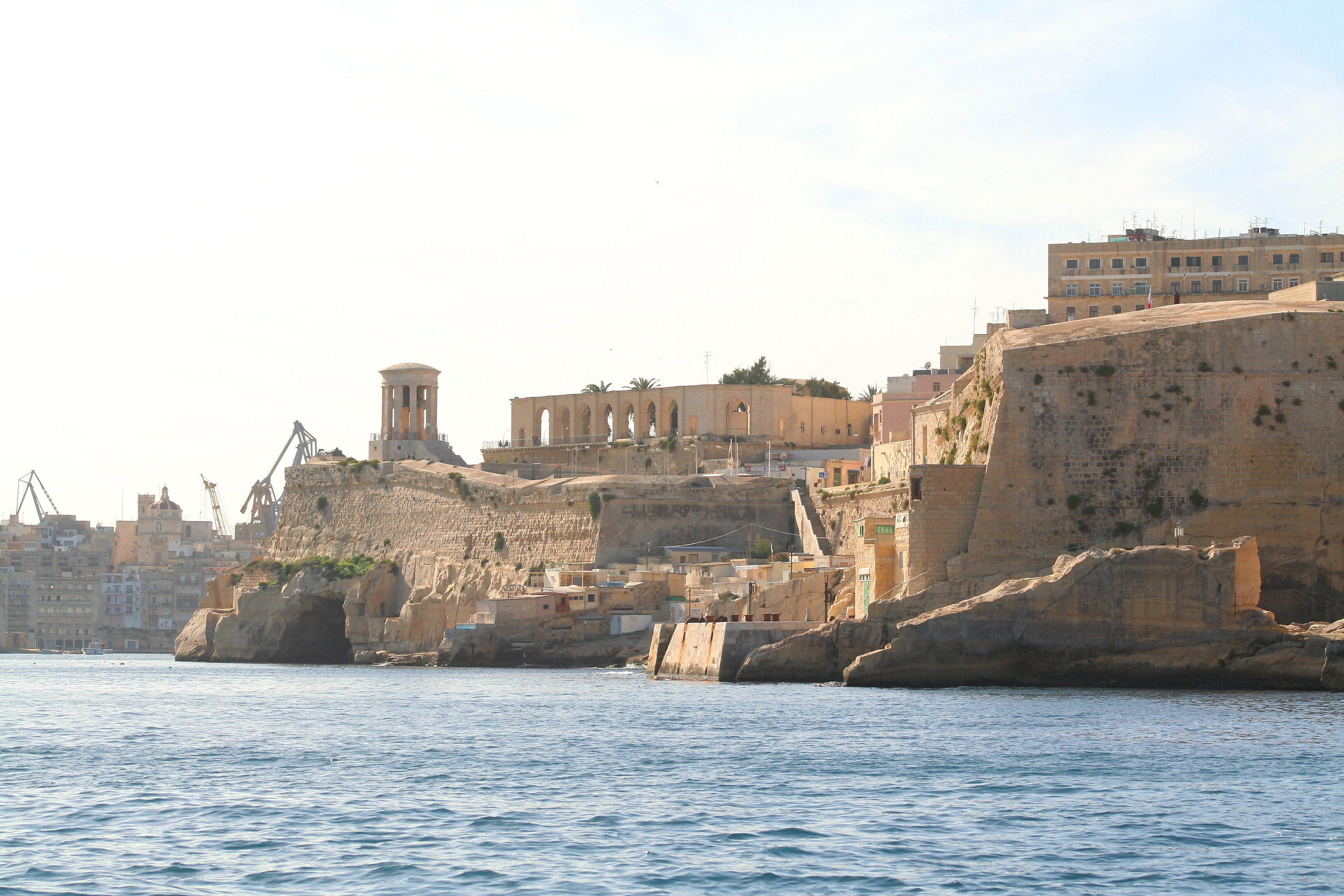
Valletta is one of the most concentrated historical destinations in the world. A UNESCO World Heritage site built by the Knights of St. John after the Great Siege of 1565, it is small enough to walk across in 20 minutes but deep enough to fill five days. Start at the City Gate, walk up Republic Street, and let the baroque architecture close in around you. Visit St. John’s Co-Cathedral in the morning — the Caravaggio and the marble inlaid floors are among the most extraordinary sights in any European church. Spend the afternoon at the Upper Barrakka Gardens for the best view of the Grand Harbour. Sunset at the Valletta waterfront is non-negotiable.
| Time | Activity | Location | Notes/Tips |
|---|---|---|---|
| 9:00 a.m. | City Gate + Republic Street walk | Valletta | Start early before cruise-ship crowds |
| 10:00 a.m. | St. John’s Co-Cathedral | Valletta | Caravaggio’s “The Beheading of St. John” |
| 12:00 p.m. | Grand Master’s Palace | Valletta | Armory tour, 30 minutes minimum |
| 1:30 p.m. | Lunch at traditional kitchen | Valletta backstreets | Try ftira and rabbit stew |
| 3:00 p.m. | Upper Barrakka Gardens | Valletta | The Saluting Battery fires at noon and 4 p.m. |
| 5:30 p.m. | St. Paul’s Anglican Cathedral | Valletta | Beautiful interior, quieter than the Co-Cathedral |
| 7:30 p.m. | Dinner at waterfront restaurant | Valletta | Fresh seafood, book ahead in summer |
Plan B: If the Co-Cathedral is closed for a private event (it happens), swap for the National Museum of Archaeology. If the Barrakka Gardens are too crowded, walk to the nearby Hastings Gardens for the same view with a fraction of the people.
Day 2: Three Cities + Ancient Temples
Cross the harbor to the Three Cities — Vittoriosa, Senglea, and Cospicua — by ferry from Valletta or by bus to Cospicua and walk across. These predate Valletta and were the Knights’ first home. Vittoriosa (Birgu) has the Inquisitor’s Palace, one of the few surviving in Europe. Senglea has the Gardjola Garden with views that compete with anything in Valletta. After lunch, drive or take a tour to the Megalithic Temples of Ħaġar Qim and Mnajdra — they are older than the pyramids and sit on a cliff edge overlooking the sea. Standing there at sunset, with the sound of the ocean and stones that are 5,000 years old, is the kind of moment that rewires your sense of time.
| Time | Activity | Location | Notes/Tips |
|---|---|---|---|
| 9:00 a.m. | Ferry to Vittoriosa | Valletta waterfront | €1.50, 20-minute crossing |
| 9:30 a.m. | Inquisitor’s Palace | Vittoriosa | Dark, atmospheric, well-preserved |
| 11:30 a.m. | Gardjola Garden | Senglea | Best viewpoint in the Three Cities |
| 1:00 p.m. | Lunch at Vittoriosa waterfront | Vittoriosa | Fresh pasta, local wine |
| 2:30 p.m. | Drive to Ħaġar Qim | Southern Malta | 30 minutes from Valletta |
| 3:30 p.m. | Megalithic Temples | Ħaġar Qim | UNESCO site, allow 90 minutes |
| 5:30 p.m. | Mnajdra temples | Mnajdra | 5-minute walk from Ħaġar Qim |
| 7:00 p.m. | Return to Valletta | — | Dinner in St. Julian’s |
Plan B: If the temples are too hot or crowded, substitute with the nearby Ghar Dalam cave and museum — it shows Malta’s prehistoric animal life and is significantly cooler underground. If the ferry is running irregularly, the bus to Cospicua is equally scenic.
Day 3: Mdina + Rabat + Dingli Cliffs
Mdina, the “Silent City,” is a fortified medieval capital built on a hill. Car-free, labyrinthine, and home to some of Malta’s best palazzos, it feels like stepping into a Renaissance painting. Walk the walls for views across the island. Below Mdina, Rabat has the St. Paul’s Catacombs — early Christian burial chambers carved into limestone. Drive 15 minutes west to Dingli Cliffs, the highest point on Malta, for a cliff-edge walk that drops 250 meters to the sea. End the day with dinner in the nearby village of Siġġiewi, where the family-run restaurants serve the best rabbit stew on the island.
| Time | Activity | Location | Notes/Tips |
|---|---|---|---|
| 9:00 a.m. | Mdina city walls walk | Mdina | Enter through the main gate, go left |
| 10:30 a.m. | St. Paul’s Cathedral | Mdina | Gorgeous dome, peaceful interior |
| 12:00 p.m. | Palazzo Falson | Mdina | 13th-century palazzo, small but exquisite |
| 1:30 p.m. | Lunch at Rabat | Rabat | Try the rabbit pasta at a family place |
| 3:00 p.m. | St. Paul’s Catacombs | Rabat | Allow 60 minutes, bring a light |
| 4:30 p.m. | Dingli Cliffs walk | Dingli | 20-minute drive from Rabat |
| 6:30 p.m. | Sunset at cliffs | Dingli | Bring water — no shade |
| 8:00 p.m. | Dinner in Siġġiewi | Siġġiewi | 10-minute drive from cliffs |
Plan B: If the cliffs are foggy (common in winter), visit the nearby Buskett Gardens instead — a woodland valley with walking paths and the Verdala Palace. If St. Paul’s Cathedral is closed for a wedding, the Mdina Dungeons tour underneath the city is unexpectedly atmospheric.
Day 4: Gozo — The Quiet Island
Take the 45-minute ferry from Cirkewwa to Mgarr on Gozo. The crossing is one of the most scenic ferry rides in the Mediterranean. Gozo is rural, green, and feels decades behind Malta. Visit the Ġgantija Temples — they predate Stonehenge and are among the oldest free-standing structures on Earth. Spend the afternoon at Xlendi Bay or Ramla Bay for a swim in some of the clearest water in the Mediterranean. End the day in Victoria (Rabat, Gozo), the island’s tiny capital, with its medieval citadel and excellent local restaurants.
| Time | Activity | Location | Notes/Tips |
|---|---|---|---|
| 8:00 a.m. | Ferry to Gozo | Cirkewwa | Book online, arrive 30 minutes early |
| 9:00 a.m. | Ġgantija Temples | Xagħra | UNESCO site, older than Stonehenge |
| 11:00 a.m. | Walk through Xagħra | Xagħra | Local bakery, village squares |
| 12:30 p.m. | Lunch at Xlendi | Xlendi Bay | Fresh fish at a harbor restaurant |
| 2:00 p.m. | Swim at Xlendi Bay | Xlendi | Rocky entry, excellent snorkeling |
| 4:00 p.m. | Citadel walk | Victoria (Gozo) | Medieval walled city, panoramic views |
| 6:30 p.m. | Return ferry | Mgarr → Cirkewwa | Last ferry around 8 p.m. in summer |
| 8:00 p.m. | Dinner in Marsalforn | Marsalforn | Seafood, 10 minutes from Mgarr |
Plan B: If the ferry is rough or canceled (happens in winter), substitute with a day exploring the southern coast of Malta: Marsaxlokk fishing village, the Blue Grotto sea caves by boat, and the ancient city of Birżebbuġa. If Ġgantija is closed for restoration, the Ta’ Ħaġrat Temples nearby are equally ancient and much quieter.
Day 5: Blue Lagoon + Comino + Farewell
The Blue Lagoon on Comino is Malta’s most photographed spot — shallow, impossibly turquoise water between Comino and Cominotto. The trick is to arrive before 9 a.m. or after 4 p.m. to beat the day-tripper boats. Take the ferry from Cirkewwa (20 minutes) or a private water taxi. Spend the morning swimming, snorkeling, and walking to Cominotto for the rock-jumping cove. Return to Malta for a slow afternoon in St. Julian’s or back to Valletta for a final meal that ties everything together — the pastizzi for a snack, the seafood for dinner, and the realization that this tiny island punched far above its weight in your memory.
| Time | Activity | Location | Notes/Tips |
|---|---|---|---|
| 8:00 a.m. | Ferry to Comino | Cirkewwa | First boat at 8:30 a.m., go early |
| 8:45 a.m. | Blue Lagoon swim | Comino | Snorkel right off the sand |
| 11:00 a.m. | Walk to Cominotto | Cominotto | 15-minute walk across the shallows |
| 12:00 p.m. | Rock jumping + swim | Cominotto | Cliff jumping for the brave |
| 1:30 p.m. | Return to Malta | Cirkewwa | Lunch at a harbor restaurant |
| 3:30 p.m. | Slow afternoon | St. Julian’s or Valletta | Last-minute shopping, gelato |
| 7:00 p.m. | Farewell dinner | Valletta | Try lampuki pie and local wine |
Plan B: If the Blue Lagoon is too crowded or the sea is rough, substitute with a boat trip to the Blue Grotto on Malta’s south coast — the sea caves are spectacular and the boat rides depart every 30 minutes from Wied iż-Żurrieq. If Comino is closed for conservation (it happens), spend the day at Mellieha Bay or Golden Bay on Malta’s north coast instead.
Practical Tips
- Ferries: The inter-island ferries are cheap, frequent, and scenic. Buy tickets online during summer to guarantee a seat. The Gozo ferry fills up on weekend mornings.
- Driving: Malta drives on the left (British style). Roads are narrow, parking is scarce, and driving is aggressive but manageable. A compact car is sufficient.
- Cash: Cards are accepted everywhere in tourist areas, but small bakeries, pastizzi stands, and bus tickets require cash. Always carry €20–40 in small bills.
- Tipping: Not mandatory, but rounding up at restaurants or leaving €2–5 for good service is appreciated.
- Language: English is an official language. Everyone speaks it. Maltese is a Semitic language written in Latin script — you will hear it everywhere but you do not need it to navigate.
- Weather: July–August are brutally hot (32–35°C) and crowded. April–June and September–October are ideal: 22–28°C, warm water, fewer crowds.
- Electricity: 230V with Type G plugs (British-style). Bring an adapter if you are coming from the US or EU.
Before You Go: Last-Minute Checks
- Ferry tickets: Book the Gozo ferry online 2–3 days ahead during peak season (June–September). It sells out.
- Temple visits: Ħaġar Qim and Mnajdra are best visited early morning or late afternoon. The sun on the limestone is intense at midday.
- Church dress code: Shoulders and knees must be covered to enter most churches. Carry a lightweight scarf or wear long pants.
- Sun protection: The Mediterranean sun is stronger than it feels. Reapply sunscreen every two hours, even on cloudy days.
- Water: Tap water is safe on Malta main island but can taste salty. Bottled water is cheap and widely available. On Gozo, stick to bottled water.
Insider Tips
Buy pastizzi from a street corner kiosk, not a tourist restaurant. The best ones are in Valletta’s backstreets and in Rabat — look for the ones with a line of locals at 10 a.m. The ricotta ones are the classic, but the pea ones (pastizzi tal-piselli) are the hidden gem.
Local tip: Visit the Upper Barrakka Gardens at noon or 4 p.m. for the Saluting Battery firing. It is free, lasts 15 minutes, and the view of the Grand Harbour with the cannon smoke drifting over the water is the most Maltese experience you can have in 15 minutes.
Etiquette & Culture
- Churches: Shoulders and knees covered. No shorts or tank tops. Some churches ask women to cover their heads — carry a scarf.
- Harbor etiquette: When taking a water taxi or ferry, wait for passengers to exit before boarding. The boat crews are fast and efficient — follow their lead.
- Dress: Casual everywhere except fine dining. Shorts and sandals are acceptable in most restaurants. In Valletta’s upscale restaurants, smart casual is appreciated.
- Pace: Maltese life is Mediterranean slow. Lunch is 1–3 p.m. Dinner is after 8 p.m. Many family restaurants close between lunch and dinner. Plan accordingly.
- Respect: When visiting temples and catacombs, do not climb on the ancient stones. They are fragile and thousands of years old.
Useful Phrases (Maltese)
Maltese is a unique Semitic language written in Latin script. You will not need it — everyone speaks English — but a few phrases go a long way.
| Phrase | Pronunciation | Use |
|---|---|---|
| Ħelow | HELL-oh | Hello |
| Grazzi | GRAT-zee | Thank you |
| Jekk jogħġbok | YEK YOH-jbok | Please |
| Kemm jiswa? | KEM yee-SWAH? | How much does it cost? |
| Il-kont, jekk jogħġbok | il-KOHNT, yek YOH-jbok | The check, please |
| Għal-Libertà | AHL lee-BER-tah | Cheers! (literally “To Freedom”) |
FAQs
Is Malta expensive? No. Malta is one of the most affordable Eurozone destinations. A pastizzi costs €1. A sit-down lunch costs €12–20. A mid-range hotel costs €100–180 per night. The Blue Lagoon is free. The temples cost €9–10 each. You can eat well and travel comfortably on €80–120 per day.
Is Malta crowded? Valletta and the Blue Lagoon get busy during July–August and when cruise ships are in port (usually 2–3 per day). Shoulder seasons (April–June, September–October) are dramatically quieter and more pleasant.
Do I need a car? Not strictly. Buses cover the main island well and Gozo has its own bus network. But a car gives you flexibility for temple visits, Dingli Cliffs, and the southern coast. Parking in Valletta is difficult — stay outside the city and take the bus in.
Is Malta safe? Yes. Malta is one of the safest countries in Europe. Petty theft is the main risk in crowded areas. The tap water is safe. The sea is clean. The worst thing that will happen is you will eat too much pastizzi. Sources: US State Dept Malta · Smartraveller Malta
What is the best time to visit? April–June or September–October. The water is still warm enough for swimming (22–26°C), the crowds are thinner, and the temperatures are perfect for walking (22–28°C). July–August are too hot for serious sightseeing. Sources: Visit Malta · US State Dept Malta
Can I visit Malta and Sicily together? Yes, and you should. The ferry from Valletta to Pozzallo, Sicily takes 1.5 hours. Many travelers combine Malta with a few days in Syracuse or Catania. It makes a perfect Mediterranean loop.
Related Guides
- Costa Rica: Pura Vida — How to Slow Down and Actually Arrive — contrast Maltese ancient stone with Costa Rican rainforest
- Three Days in Tokyo — for travelers who want to contrast Mediterranean temples with Asian city intensity
- Hiking the Torres del Paine W Trek — from island history to Patagonian wilderness
The best trips do not just move you across a map. They change how you see the world. Use this guide to build your own story.
Start Planning Your Story