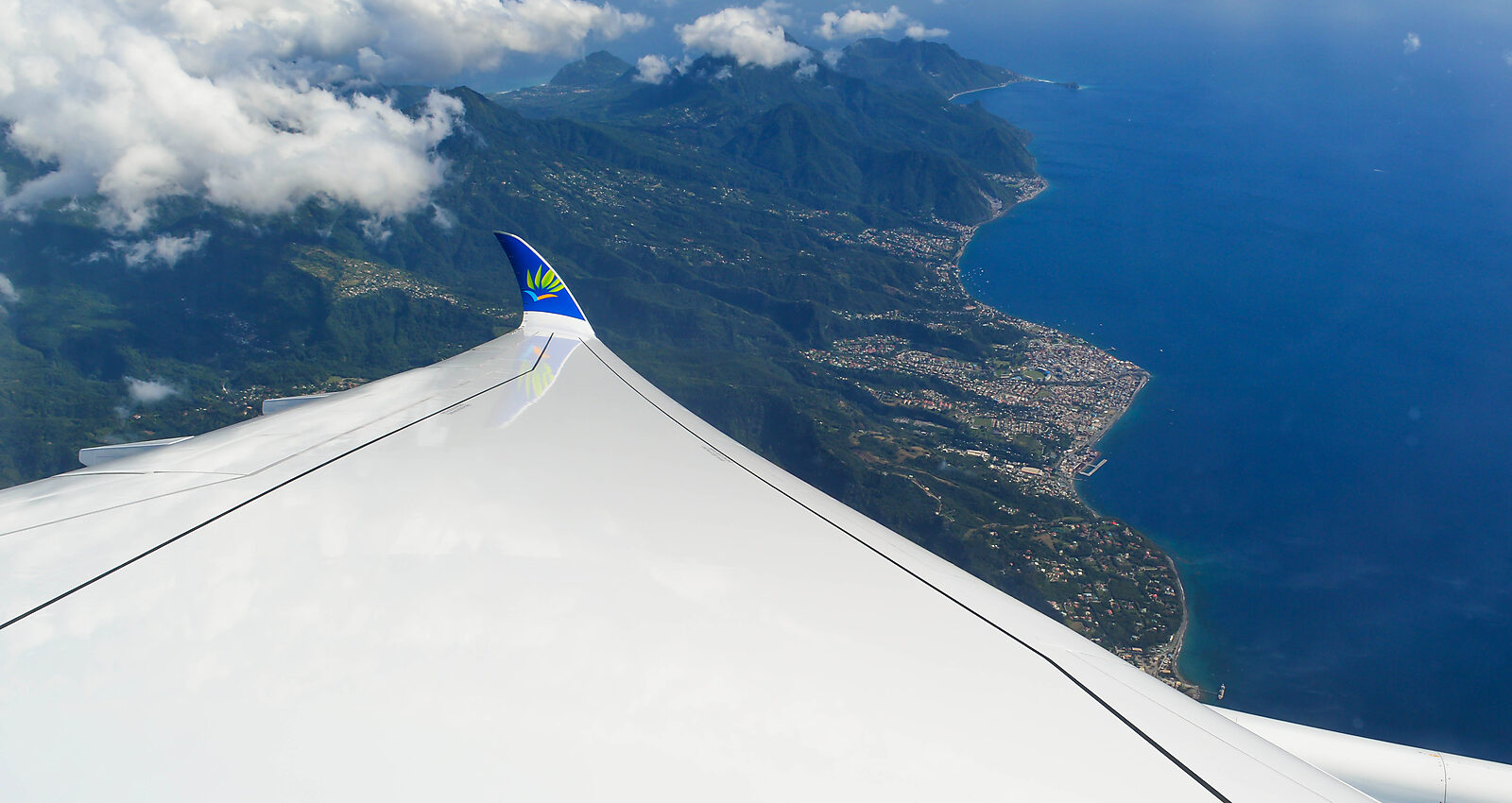
Dominica: The Nature Island — Sperm Whales, Boiling Lakes, and the Caribbean's Last Wild Place
Dominica: Boiling Lake hikes, the world's first sperm whale reserve, volcanic reefs, and why this volcanic Caribbean island rewards the adventurous.
TL;DR
Dominica is the Caribbean’s best-kept secret — not a resort island, not a beach destination, but a volcanic wilderness where two-thirds of the land is rainforest, 365 rivers run clear enough to drink from, and sperm whales gather year-round in the deep waters off the west coast. The 2026 headlines are real: the world’s first sperm whale reserve (800 sq km off the west coast) opens in 2026, and a new cable car replaces the punishing 6-hour hike to Boiling Lake with a 20-minute ride over the Valley of Desolation to the second-largest hot lake on Earth. This guide gives you 7 days through Morne Trois Pitons National Park (UNESCO World Heritage), the Waitukubuli National Trail (the Caribbean’s longest at 115 miles), Champagne Reef where volcanic vents bubble through the seabed like champagne, and the Kalinago Territory — home to the Caribbean’s last Indigenous people. The goal is not to relax on a beach. The goal is to understand why this island refuses to be like its neighbors.
Who This Guide Is For
Adventure travelers who come to the Caribbean to hike, dive, and swim in volcanically heated waters — not to lounge with a cocktail. Divers and snorkelers who want to see warm bubbles rising from the seabed at Champagne Reef and swim with sperm whales in their natural habitat. Hikers who want to end a 6-hour trek at a literally boiling lake — the second-largest in the world, a grey cauldron of steam and volcanic energy. Solo travelers who want a safe, welcoming destination where the locals are as curious about you as you are about them (Dominica is a Global Peace Index top-15 country). Photographers who want raw green landscapes, jungle rivers, and black-sand coves that no Instagram algorithm has ruined. Anyone who reads “world’s first sperm whale reserve” and thinks that sounds exactly right. This guide assumes you are comfortable with steep, muddy trails, driving on the left, and the idea that a 55-minute flight from San Juan is the gateway to wilderness that feels like the Amazon.
Quick Facts
| Question | Answer |
|---|---|
| Best time to visit | December–April (dry season); November–March for whale watching; Feb–May for firmest Boiling Lake trails |
| Typical duration | 7 days (5 days covers highlights; 10+ for the full Waitukubuli Trail) |
| Difficulty | Moderate (rainforest hikes are steep/muddy; whale watching and cable car are easy) |
| Typical daily budget | $55–$150/day (backpacking to mid-range; see Where to Stay) |
| Visa | No visa required for US citizens (up to 6 months); ED Card required; see US State Department Dominica advisory |
| Currency | East Caribbean dollar (XCD); EC$2.70 = US$1 (USD widely accepted) |
| Language | English (official); Kwéyòl (Dominican Creole) widely spoken |
| Getting there | Fly MIA→DOM (American Airlines daily) or via San Juan/Puerto Rico; Canefield (DOM) or Douglas-Charles (DOM) airports |
Before You Go
Checklist
Documents & Money
- Passport valid 6+ months with at least one blank page; see US State Department Dominica advisory
- No visa required for US citizens (up to 6 months); but complete the ED Card (online embarkation/disembarkation) before arrival — mandatory since 2023 (Dominica government ED Card)
- Travel insurance with marine activity coverage (mandatory for whale-watching tours and Boiling Lake hikes)
- East Caribbean dollars (XCD) cash for village stalls, guides, and rural transport; USD widely accepted (change may be in XCD). Withdraw at ATMs in Roseau
- Credit card with no foreign transaction fees (accepted at hotels and larger restaurants)
Apps to Download
- Google Maps offline (download the whole island — signal is patchy in the mountains)
- Maps.me or Organic Maps for trail navigation (cell coverage drops in Morne Trois Pitons)
- Dominica Tourism App (official, includes trail conditions and guide contacts)
- Windy or AccuWeather (Dominica’s microclimates shift fast — mountain rain can turn trails dangerous)
- WhatsApp (most local communication happens here, including guide bookings)
Gear
- Sturdy hiking boots with ankle support (the Boiling Lake trail is 6–8 hours of muddy, rocky terrain)
- Rain jacket and pack cover (rainforest = 365 rivers, 2/3 of the island; expect daily showers)
- Reusable water bottle (tap water in Roseau is safe; mountain stream water is generally drinkable but treat as precaution)
- Swimwear for hot springs, Emerald Pool, and Champagne Reef
- Quick-dry towel and dry bag (for kayaking and river activities)
- Insect repellent with DEET (no malaria but mosquito-borne dengue is present)
Health
- Routine vaccines up to date; Hepatitis A and Typhoid recommended; no mandatory vaccines
- Basic first-aid kit with blister treatment (jungle trails are unforgiving)
- Sunscreen (reef-safe if diving/snorkeling at Champagne Reef)
- Malaria prophylaxis not required but consult your doctor for dengue prevention
Getting There
American Airlines offers direct flights from Miami (MIA) to Dominica (DOM) daily. Most other routes connect through San Juan (SJU), St. Maarten (SXM), or Guadeloupe (PTP). There are two airports: Douglas-Charles (DOM) on the northeast coast (most international flights) and Canefield (DOM) near Roseau (smaller, mostly regional). From Douglas-Charles, the drive to Roseau takes ~1 hour on steep, winding roads.
| Route | From | To | Time | Cost |
|---|---|---|---|---|
| Direct (US) | MIA → DOM | Miami to Douglas-Charles | 3h30m | $350–$600 return |
| Connecting | SJU → DOM | San Juan to Douglas-Charles | 1h flight + 1h ground | $200–$400 return |
| Connecting | SXM → DOM | St. Maarten to Douglas-Charles | 45min flight + 1.5h ground | $250–$450 return |
| Airport → Roseau | DOM (Douglas-Charles) | Roseau | ~1h | $25–$40 (taxi) / $5 (shared) |
| Roseau → Boiling Lake trailhead | Roseau | Laudat | ~1.5h | $30 (taxi) / $5 (minibus) |
Visa note: US citizens do not need a visa for stays up to 6 months. However, the ED Card (Embarkation/Disembarkation card) must be completed online before arrival — it’s mandatory for all visitors arriving by air or sea since 2023 (Dominica immigration). No visa is required, and the entry stamp allows a 6-month stay.
Where to Stay
Dominica has no mega-resorts (by government policy). The accommodations range from eco-lodges to guesthouses, all small-scale to preserve the island’s wild character. The 2026 openings include Sanctuary Rainforest Eco Resort & Spa and Anichi Resort & Spa.
| Type | Where | Price Range per Night | What You Get |
|---|---|---|---|
| Guesthouse | Roseau | $50–$80 | Basic, clean, breakfast included |
| Eco-lodge | Morne Diablotin area | $80–$150 | Rainforest views, solar power, guided nature walks |
| Mid-range hotel | Roseau / Soufrière | $90–$150 | Air-con, pool, restaurant |
| Boutique hotel | Portsmouth | $150–$250 | Waterfront, spa, whale-watching access |
| Camping | Behind Treat Manatee | $20–$40 | Riverside camping, basic facilities |
Booking tip: December to April is peak season (whale watching season). Book 2–3 months ahead for Boiling Lake area accommodation. The government requires all accommodations to participate in sustainable tourism certification — look for the “Green Fund” logo. Off-season (June–November) offers 30–40% savings, but some trails may be impassable due to heavy rain.
Where to Eat
Dominica’s cuisine is Creole-Caribbean fusion with strong Indigenous (Kalinago) influences. The national dish is Mountain Chicken (actually a large frog leg, not chicken — it’s an endangered species, so ask before ordering). More sustainable local favorites include callaloo soup, oil down (the national dish — breadfruit, salted meat, and dumplings), and fresh fish caught daily.
| Meal | Recommendation | Where | Approx. Cost |
|---|---|---|---|
| Breakfast | Oil down (national dish) + coffee | Kwéyòl restaurants in Roseau | $5–$8 |
| Lunch | Grilled fish + rice & peas | Beachside fish fry (Friday evenings) | $10–$15 |
| Dinner | Callaloo soup + breadfruit fry | Gourmet restaurants at Fort Young | $15–$25 |
| Drink | Fresh coconut water or Sorrel (hibiscus tea) | Local juice bars | $2–$5 |
Etiquette: Tipping 10–15% is standard at sit-down restaurants. At beach bars and fish fries, rounding up is fine. Cash is preferred for local eateries; cards work at hotels and larger restaurants.
Day-by-Day Itinerary
This 7-day itinerary balances Dominica’s headline attractions: the Boiling Lake cable car, sperm whale watching, volcanic reef snorkeling, and the Kalinago Territory. Designed for the dry season (December–April).
Day 1: Arrival in Dominica — Roseau Orientation
| Time | Activity | Location | Notes |
|---|---|---|---|
| 12:00 | Land at Douglas-Charles Airport | DOM | Take a shared taxi or pre-arranged transfer to Roseau (~$30, 1h) |
| 14:00 | Check in to guesthouse | Roseau | Old Market Lane area recommended (walkable to waterfront) |
| 15:30 | Roseau city walk | Roseau | Explore the market, Catholic cathedral, and waterfront boardwalk |
| 17:30 | Evening fish fry | Roseau waterfront | Friday evenings; fresh grilled fish, local music, $10–$15 dinner |
| 19:00 | Welcome dinner | Fort Young Hotel restaurant | Try the lobster thermidor with a view of the bay |
Plan B: If you arrive late, skip the city walk and head straight to dinner at the Fort Young Hotel restaurant — it’s open later and the sunset view over the bay is worth the splurge on a first night.
Day 2: Sperm Whale Reserve + Scott’s Head
| Time | Activity | Location | Notes |
|---|---|---|---|
| 07:00 | Early breakfast at guesthouse | Roseau | You’ll be on the water early for whale watching |
| 08:00 | Sperm whale watching tour | Roseau Boat Basin | Departs daily; 4–6 hour tours; $80–$120 per person |
| 12:00 | Lunch on the boat | Offshore waters | Tours provide lunch; watch for dolphins en route |
| 14:30 | Scott’s Head Peninsula | Soufrière Bay | Hike to the lookout for the confluence of Caribbean and Atlantic; free entry |
| 16:00 | Snorkel at Soufrière Bay | Scott’s Head | The reef is protected; calm waters in the morning |
| 18:30 | Dinner | Sugar Cane Restaurant (Roseau) | Fresh catch + local beer; $15–$20 |
Plan B: If whale watching is canceled due to rough seas (more likely November–March), substitute with a visit to Trafalgar Falls and the Emerald Pool — both accessible via guided tour from Roseau ($50–$70 for a half-day). The falls are iconic (featured in Pirates of the Caribbean) and the pool is a perfect natural swimming spot.
Day 3: Boiling Lake Cable Car + Valley of Desolation
| Time | Activity | Location | Notes |
|---|---|---|---|
| 07:00 | Depart for Laudat valley | Roseau | 1.5h drive; pre-book a taxi or rent a 4WD |
| 09:00 | Arrive at cable car base | Roseau Valley | Dominica Cable Car, the world’s longest monocable lift |
| 09:30 | Cable car to Boiling Lake overlook | Morne Trois Pitons | 18 minutes aerial; €27 round-trip; panoramic views of Valley of Desolation |
| 11:00 | Valley of Desolation viewpoints | Above treeline | Boardwalks over steaming fumaroles; sulfur smell strong |
| 13:00 | Lunch at mountain restaurant | Cable car top station | Limited menu; try the local soup; $15–$20 |
| 15:00 | Titou Gorge (optional) | Near Trafalgar | Swim through the narrow canyon; $10 entry + guide required |
| 17:30 | Return to Roseau | Via Mirepoix | Stop at Freshwater Lake viewpoint on the way |
| 19:30 | Dinner | Kwéyòl Restaurant | Traditional Creole dinner with live music (weekends) |
Plan B: If the cable car is closed for maintenance (check ahead, especially June/September), take the guided Boiling Lake full-day hike instead — it’s 6–8 hours round trip via the Valley of Desolation. You must hire a certified local guide (mandatory by park rules; ~$100/day). Book through the ranger station in Laudat.
Day 4: Waitukubuli National Trail + Hot Springs
| Time | Activity | Location | Notes |
|---|---|---|---|
| 08:00 | Pick a Waitukubuli segment | Boissière | Segment 4 (Boissière to Trafalgar) is the most accessible 7-mile section |
| 08:30 | Hike the trail | Trafalgar Falls | Well-marked; rainforest canopy; occasional landslides clear the path |
| 12:00 | Lunch at Trafalgar Falls | Trafalgar | Pack a trail lunch; no facilities mid-trail |
| 14:00 | Emerald Pool | Near Trafalgar | Short walk (15 min) to a grotto waterfall with emerald-green water |
| 16:00 | Natural hot springs | Wotten Waven | Soak in sulphur pools at the Eco-Park; $10 entry |
| 18:30 | Dinner | Rosalie Inn | Beachfront restaurant with fresh lobster; $20–$30 |
Plan B: If trail conditions are poor (post-rain), skip the Waitukubuli segment and visit the Indian River instead — a guided kayak tour through Dominica’s only navigable river (3 km), with a chance to see the famous “boiling springs” where river water emerges heated by geothermal activity. Tours run from Portsmouth, $40–$60 per person.
Day 5: Champagne Reef + Kalinago Territory
| Time | Activity | Location | Notes |
|---|---|---|---|
| 08:00 | Drive to southwest coast | Soufrière | 1h from Roseau; follow the coastal road to Champagne |
| 09:30 | Snorkel at Champagne Reef | Soufrière Bay | Volcanic vents create warm bubbles; $25 entry + snorkel rental |
| 12:00 | Lunch at beach restaurant | Soufrière | Grilled fish tacos + fresh coconut water |
| 14:00 | Kalinago Territory visit | East coast | Meet the Indigenous community; craft workshop; $15 entry |
| 16:30 | Batibou Beach | Northeast coast | Black sand; requires 4WD (unpaved track) |
| 18:30 | Return to Roseau | Via Portsmouth | Stop at the Indian River landing on the way |
| 20:00 | Farewell Creole dinner | Old Growth Café | Try the breadfruit fries and sorrel drink |
Plan B: If Batibou Beach is inaccessible (narrow unpaved road may close after rain), substitute with Macoucherie Beach (also black sand, but accessible by regular car) about 30 minutes south of Roseau.
Day 6: Adventure Day — River Tubing + Canyoning
| Time | Activity | Location | Notes |
|---|---|---|---|
| 08:30 | Drive to Layou River | Roseau | 45 min; the island’s premier white-water river |
| 09:30 | River tubing on Layou | Layou Gorge | 2-hour guided float through rapids; $45 per person |
| 12:30 | Lunch | Layou Riverside | Fresh coconut + grilled fish at a local spot |
| 14:00 | Canyoning at Trafalgar | Trafalgar Falls gorge | Abseil down waterfalls, swim through cascades; $60 per person |
| 16:00 | Return via scenic route | Via Morne Diablotin | Stop at the syndicate falls viewpoint |
| 18:30 | Dinner | Sugar Cane (Roseau) | Celebrate with freshly caught lobster |
Plan B: If the Layou River is too high (post-rain), skip river activities and visit the Botanical Gardens in Roseau — a peaceful oasis with endemic Dominican plants and a small orchid house. Entry is $5 and guides are available.
Day 7: Departure via Dominica
| Time | Activity | Location | Notes |
|---|---|---|---|
| 08:00 | Check out, slow breakfast | Roseau | Last coconut water and a final bowl of callaloo soup |
| 09:30 | Dominica Museum | Roseau | Colonial history + Kalinago artifacts; $5 entry |
| 11:00 | Last-minute shopping | Roseau Old Market | Buy rum, organic cocoa, and hand-carved Kalinago crafts |
| 12:30 | Transfer to airport | Douglas-Charles | Allow 2 hours from Roseau |
| 14:30 | Depart | Douglas-Charles | Or fly back via San Juan if connecting |
Plan B: If your flight is late, store your bags at the guesthouse and spend the afternoon at Canaan’s Bay — a quiet black-sand beach near Portsmouth with excellent snorkeling and fewer crowds than the main tourist spots.
Practical Tips
- Driving in Dominica is on the LEFT. Roads are narrow, steep, and winding — a 4WD vehicle is recommended for reaching trailheads like Batibou Beach and some sections of the Waitukubuli Trail. GPS maps can be unreliable; download offline maps before departure. Allow extra time — distances that look short take much longer.
- Guides are required for the Boiling Lake hike. Dominica law requires all hikers to hire certified guides for the Boiling Lake and Valley of Desolation trails. Book through the Morne Trois Pitons National Park ranger station in Laudat. The official rate is ~$100/day for a guide.
- The ED Card is mandatory. Complete it online at dominica.gov.dm before arrival — you’ll be denied boarding without it. It costs $2.
- Cash is king in rural areas. While credit cards work in Roseau hotels and restaurants, village shops, guides, and rural entrances only accept cash (XCD or USD). Withdraw at ATMs in Roseau before heading to the mountains.
- Pack for mud and rain. Dominica is called the Nature Island because 60% of it is rainforest. Trails are muddy. Bring a pack cover, quick-dry clothes, and extra socks. The rainfall feeds 365 rivers — it’s not an accident.
- Respect the whales. The new sperm whale reserve means stricter boat-distance rules (minimum 50m). Operators must maintain a 30-minute observation limit per group. Swimming with whales is permitted but regulated — only certified operators with permits.
- The island moves at Dominica-time. Don’t expect punctuality outside of scheduled flights and whale-watching tours. Grocery stores close at 5pm. Dinner is often 7–9pm and served until the last guest leaves.
Before You Go: Last-Minute Checks
- ED Card completed online at dominica.gov.dm — mandatory for all visitors
- Whale-watching tour booked (Roseau Boat Basin; departures 7:30–8:30am)
- Boiling Lake cable car or hike guide booked (Dominica Cable Car or Laudat ranger station)
- 4WD vehicle reserved if driving to Batibou Beach or remote trailheads
- Offline maps downloaded (the whole island — Google Maps or Maps.me)
- Cash withdrawn (XCD or USD) — villages don’t take cards
- Hiking boots broken in (trails are steep and muddy)
- Reef-safe sunscreen packed (Champagne Reef is a marine reserve)
- Insect repellent (DEET) for rainforest hiking
- Travel insurance with marine activity + mountain evacuation coverage
Insider Tips
- See the Boiling Lake from the cable car at opening (8am). The first ride of the day has the clearest views of the steam plume and the caldera before clouds roll in. The cable car runs 8am–5pm daily, weather permitting.
- Combine whale watching with lunch on the boat. Most operators include a full meal — try the fish curry and fresh coconut water while floating above the whales. The sperm whales are most active in the morning (7:30–11:30am).
- Visit the Kalinago Territory on a Tuesday. This is when the Kalinago Settlement Tour runs, and the artisans are most active at their traditional craft workshops (basket weaving, canoe carving). The $15 entry fee directly supports the community.
- Snorkel Champagne Reef in the morning. The volcanic vents create bubbles that are most visible in calm morning water. Afternoon winds kick up sediment, making visibility poor.
- Ask for “doubles” at local food stalls. This is Dominica’s version of a street-food sandwich — two fried bakes (bread fritters) filled with curried goat, saltfish, or vegetables. It costs $2–$3 and is the best lunch on the go.
- Stay at a guesthouse in Roseau, not a resort. Dominica has fewer than 20 hotels total due to a government policy of limiting development. Guesthouses run by local families offer the most authentic experience and direct access to local knowledge.
- Bring a dry bag for everything. Even a “dry” bag — kayaking on the Indian River and river tubing on the Layou will get your gear wet through splashes. The guides provide dry bags but having your own backup is wise.
- Skip the “mountain chicken” if you’re squeamish. Despite the name, it’s not chicken — it’s the leg of the native Agalychnis frog (an endangered species). The government has banned commercial harvesting, so it’s rarely on menus now anyway.
Etiquette & Culture
Dominica’s culture is a blend of African, Indigenous (Kalinago), French Creole, and British influences. The island’s nickname, “The Nature Island,” reflects its deep environmental consciousness.
- Respect the Kalinago. The Kalinago Territory on the northeast coast is home to the Caribbean’s last Indigenous people. Ask before taking photos, support local artisans, and never wander off marked trails in the territory.
- Follow park rules strictly. Morne Trois Pitons National Park requires certified guides for the Boiling Lake and Valley of Desolation trails. The $5 park fee supports conservation. Littering carries a $500 fine — rangers patrol regularly.
- Tipping is expected but flexible. 10–15% at restaurants, $1–$2 per day for hotel staff, $5–$10 for hiking guides. In village settings, rounding up is appreciated but not required.
- Driving etiquette. Drive on the left. Use your horn sparingly (one short beep at blind corners). Yield to pedestrians — they have the right of way on narrow mountain roads.
- Language note. English is the official language, but Kwéyòl (Creole French) is widely spoken. Learning “bonjou” (good morning/hello) earns smiles. Dominicans are proud of their Creole heritage and happy to share words with visitors.
- Environmental consciousness is law. Dominica was the first country to make “going green” a legal requirement — all hotels must have environmental certification. Single-use plastics are banned. Ask for a refillable water bottle in restaurants.
Useful Phrases (English-based, with Kwéyòl flavor)
| Phrase | Pronunciation | Context |
|---|---|---|
| Bonjou | bon-ZHOO | Good morning (Kwéyòl hello) |
| Tanbou | TAN-boo | Hello (English-based patois) |
| Mèsi | MAY-see | Thank you |
| Tan patis | TAN pa-TEES | You’re welcome |
| Konbyen sa k coûte? | kon-BYEN sa k KOOSH-tay | How much does it cost? |
| Eski genyen yon gwo papa? | ESS-kee GEN-yen YON GRO PA-pa | Do you have a large father (asking for rum — local slang) |
| Pwen limyè | PWAHN lim-YEH | Turn left |
| Pwen drwat | PWAYN DROO-at | Turn right |
| Ret la | RAYT la | On time / hurry up (Dominica-time) |
| Bondye bénit | BON-deh BEN-ee | God bless |
Good to know (2026)
- Sperm Whale Reserve (2026 opening): The Dominica Sperm Whale Reserve will protect nearly 800 square kilometers of ocean off the island’s west coast. Home to ~200 resident sperm whales (the only place on Earth where they’re year-round), the reserve establishes strict boat-distance rules (minimum 50m) and regulates swimming encounters. Tours depart from Roseau and Portsmouth with 90% encounter success rates (National Geographic, Dominica Tourism).
- New cable car to Boiling Lake: The Dominica Cable Car opened in 2025, replacing the 6-hour hike to Boiling Lake with a 18-minute ride over the Valley of Desolation. The cable car was designed to be accessible and runs year-round (weather permitting). The traditional Boiling Lake trek remains open for experienced hikers who want the full 6–8 hour experience (National Geographic).
- Travel + Leisure 2026: Dominica was named one of the top Caribbean islands for 2026 for the third consecutive year, praised for its sustainable tourism model and “untamed authenticity.” The World Creole Music Festival in October draws 20,000+ visitors (Travel + Leisure).
- Climate resilience: Dominica is positioning itself as the world’s first climate-resilient nation after Hurricane Maria (2017). 70% of electricity now comes from geothermal energy. Visitors can tour the geothermal plant and learn about the island’s green recovery (Facts From Upstairs).
- Waitukubuli National Trail: The 115-mile Caribbean’s longest hiking trail runs 14 segments from Scott’s Head to Cabrits. Most visitors do 2–3 segments. The trail requires a passport-style entry system — book in advance at waitukubuli.com.
FAQs
Do I need a visa for Dominica? No. US citizens do not need a visa for stays up to 6 months. However, all visitors must complete the ED Card (Embarkation/Disembarkation card) online before arrival — it’s mandatory. The ED Card costs $2 and is completed at dominica.gov.dm. You’ll also need proof of onward travel, sufficient funds, and accommodation. Sources: US State Department Dominica advisory · Dominica immigration
What is the best time to visit Dominica? December to April for the dry season — ideal for hiking and diving with the firmest trails and best underwater visibility. November to March is prime sperm whale-watching season (90% encounter rate). June to October is the wettest stretch and coinciding with Atlantic hurricane season — trails get slippery and some may be impassable. Feb–May typically has the firmest Boiling Lake trail conditions. Sources: Dominica Tourism Board · National Geographic Dominica guide
Is it worth visiting Dominica? Absolutely — if you want hiking, diving, whale watching, and volcanic landscapes, not beach lounging. Dominica’s attractions are rainforest, rivers, boiling springs, and marine reserves. The new cable car to Boiling Lake (opened 2025) makes the headline attraction accessible without the 6-hour hike. The island has no mega-resorts and strict sustainable tourism laws, ensuring it stays wild. Sources: Discover Dominica · Pack Lightly Dominica Guide
What to do in Dominica? The top experiences are: (1) Sperm whale watching in the new reserve, (2) Boiling Lake via cable car or 6-hour hike, (3) Snorkeling at Champagne Reef where volcanic vents bubble like champagne, (4) Waitukubuli National Trail hiking (115 miles, 14 segments), (5) Trafalgar Falls + Emerald Pool, (6) Kalinago Territory cultural visit, (7) River tubing on the Layou River. Sources: G Adventures · Dominica Tourism Board
Do I need a car? A rental car (4WD strongly recommended) gives you flexibility for trailheads, beaches, and the Kalinago Territory. Driving is on the left. Public minibuses exist but are infrequent and don’t reach trailheads. Taxis and guided tours are plentiful in Roseau. The roads are steep and winding — allow extra time for distances that look short on a map. Sources: Facts From Upstairs · Dominica Tourism Board
Is Dominica safe for solo travelers? Yes. Dominica is consistently ranked among the safest Caribbean islands (US State Department Level 1). Violent crime is rare and typically confined to Roseau after dark. The main risks are natural: strong currents, steep trails, and flash floods after heavy rain. Always use certified guides for Boiling Lake and whale-watching. Emergency number is 911. Sources: US State Department Dominica advisory · Global Peace Index
Related Guides
- Botswana: The Okavango Delta — Where the Desert Teaches You What Water Means — for another wild, low-volume destination where nature dominates the experience
- Slovenia: The Julian Alps’ Best-Kept Secret — Where Lake Bohinj Rewards the Curious and the Quiet — for another coolcation destination where alpine lakes stay cool while the rest of the world heats up
- Kyrgyzstan: The Steppe That Reminds You What Freedom Means — for another off-the-beaten-path destination where vast wilderness and ancient culture converge
The Bottom Line
Dominica doesn’t do resorts. It doesn’t do beaches in the postcard sense. It does rainforests that breathe, rivers that run clear enough to drink from, volcanic vents that bubble hot chocolate-colored water, and 200-ton whales that swim in the deep blue off the west coast like they’ve always done. In a Caribbean where most islands compete for the most Instagrammable beach bar, Dominica has staked its entire identity on being the hardest to reach and the most rewarding to find.
And it’s working. The new cable car to Boiling Lake brings the headline attraction to casual visitors, but the hikes, the whale watching, the snorkeling over volcanic vents — these are still experiences that require intention. You have to drive on the left, navigate steep roads, hire a guide, and pay attention to the weather. There’s no lazy beach day here, and that’s the point. Dominica is for travelers who want their vacation to feel like an expedition.
But as the world’s first sperm whale reserve opens in 2026 and the new cable car starts its 18-minute climb over the Valley of Desolation every morning, the question is: for how long will Dominica remain this wild? The government has capped hotel development, required all accommodations to earn green certification, and made guides mandatory for the park’s most challenging trails. Whether those protections will hold as visitor numbers climb (they’re up 15% YoY since the NatGeo feature) is the question locals are asking at breakfast over oil down.
Go before the reserve requires reservations, before the cable car has a waitlist, and before you can book a “Boiling Lake experience” on Airbnb. Because in Dominica, the best part of the experience is still the part where nobody tells you where to go next — you figure it out from a local at a fish fry, over a rum punch that’s just strong enough to make the conversation flow.
The volcanic soil doesn’t care about your itinerary. It only cares that you showed up ready to walk.
The best trips do not just move you across a map. They change how you see the world. Use this guide to build your own story.
Start Planning Your Story