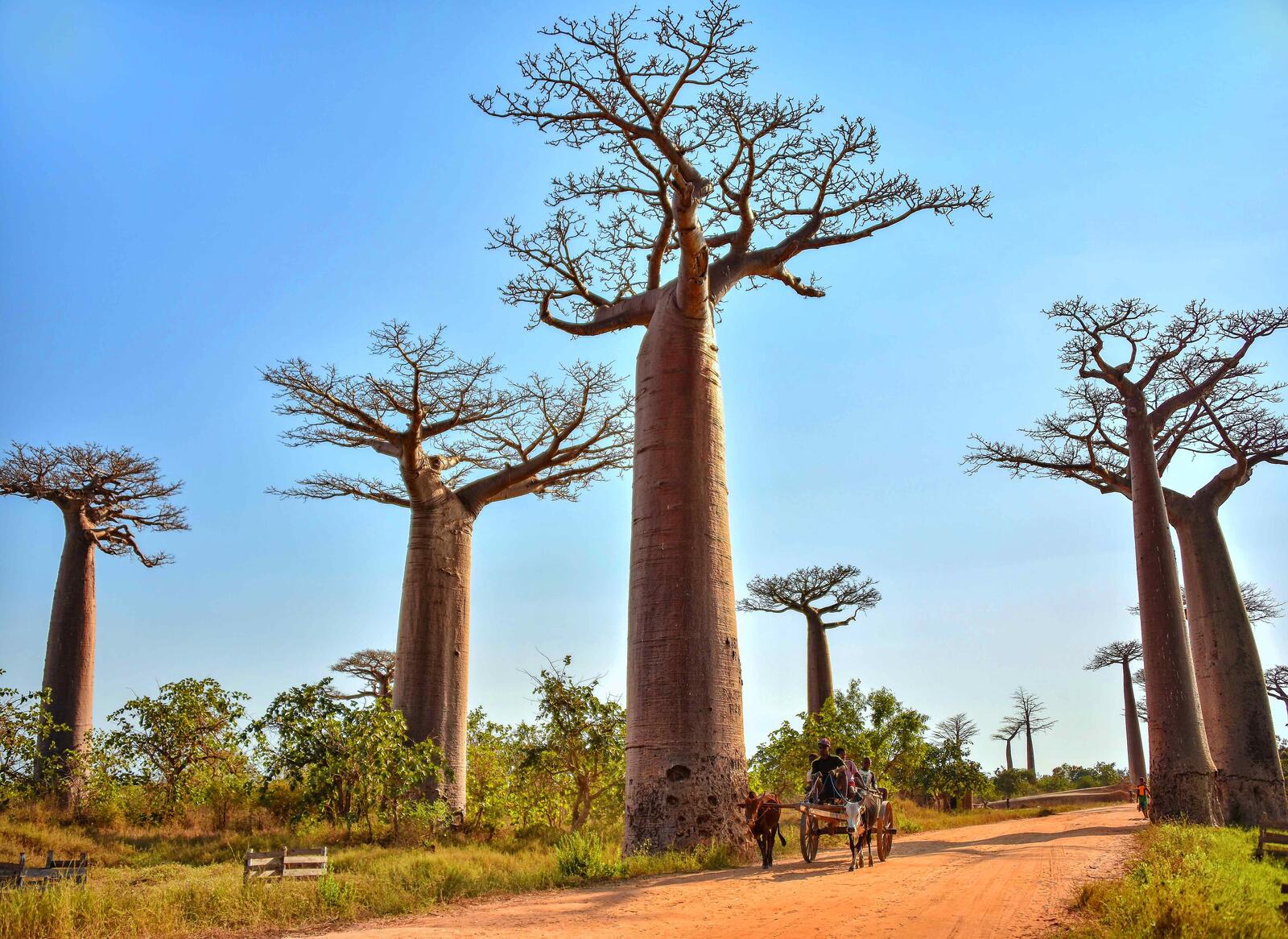
Madagascar: The Eighth Continent — Where Lemurs Outnumber People
Madagascar is the eighth continent: 90% endemic wildlife, baobab avenues, and Nosy Be beaches. A 10-day route through Andasibe, Morondava, and the coast.
TL;DR
Madagascar is not a safari. It is the eighth continent — a place where 90% of the wildlife exists nowhere else on Earth, where baobabs older than the roads stand like sentinels on a dirt track, and where the Indian Ocean hits white-sand beaches that still feel undiscovered. This guide gives you a 10-day route through Andasibe-Mantadia’s rainforest lemurs, the Avenue of the Baobabs at sunset, and the island-hopping coast around Nosy Be. The goal is not to conquer the island. The goal is to arrive with no agenda, let the wildlife set the pace, and leave understanding why Malagasies say “madio, tsara” — clean, good — as both a greeting and a philosophy.
Who This Guide Is For
Travelers who have done the African safari circuit and want something that still feels like discovery. Wildlife lovers who want lemurs that exist nowhere else, not just the same Big Five on repeat. Anyone who saw the Avenue of the Baobabs on Instagram and wants to know what it actually feels like to stand beneath a thousand-year-old tree at golden hour. Slow travelers who are willing to accept rough roads, basic infrastructure, and the idea that a fossa sighting is worth more than a five-star hotel. This guide assumes you are comfortable with flexible schedules, cash-only transactions outside the capital, and the understanding that Madagascar changes its plans as often as it changes its light.
Quick Facts
| Question | Answer |
|---|---|
| Best time to visit | April–November (dry season); July–September peak for whales and wildlife |
| Typical duration | 10 days |
| Difficulty | Moderate |
| Typical daily budget | $45–$110 USD |
| Visa | 30–60 days on arrival (~$35–$50 USD); eVisa available |
| Currency | Malagasy ariary (MGA) |
| Language | Malagasy, French; limited English in tourist areas |
| Getting there | Fly into Antananarivo (TNR) via Paris, Nairobi, Addis Ababa, or Mauritius. See Smartraveller for entry updates. |
Before You Go
Checklist
Documents & Permits
- Passport with 6+ months validity and 2 blank pages
- Visa on arrival (~$35–$50 USD for 30 days, payable in EUR/USD/MGA) or eVisa in advance
- Return or onward ticket (immigration may ask)
- Proof of accommodation (hotel booking) for immigration
- Travel insurance with medical evacuation coverage (essential — see Travel.State.Gov)
- Yellow fever certificate if arriving from an endemic country
Apps to Download
- Maps.me offline (Google Maps is unreliable outside Antananarivo)
- WhatsApp or Telegram for guide and lodge coordination
- Currency converter (MGA rates fluctuate)
- Typhoon/cyclone tracker if traveling November–March
Gear
- Waterproof jacket (rain is sudden even in the dry season)
- Sturdy hiking shoes or trail runners
- Quick-dry clothing (avoid cotton in the rainforest)
- Insect repellent with DEET (malaria is present year-round)
- Sunscreen (reef-safe for Nosy Be)
- Reusable water bottle with filter (tap water is not safe anywhere)
- Headlamp (for night walks and power outages)
- Power bank (electricity is unreliable outside cities)
Health
- Antimalarial medication (consult clinic 4–6 weeks before departure)
- Hepatitis A, typhoid, and routine vaccines recommended
- Rabies vaccine if spending significant time in rural areas
- Basic first-aid kit with blister treatment and rehydration salts
Getting There
Most international visitors arrive at Ivato International Airport (TNR) in Antananarivo. Direct flights operate from Paris (Air France, ~10 hrs), Nairobi (Kenya Airways, ~3.5 hrs), Addis Ababa (Ethiopian Airlines, ~4 hrs), and Mauritius. From the US, expect one or two connections; round-trip fares typically run $1,100–$2,400 depending on season and booking window.
Domestic flights connect Antananarivo to Nosy Be (NOS) (~1.5 hrs, from ~$150), Morondava (MOQ) (~1 hr, from ~$120), and Île Sainte-Marie (AMS) (~1 hr). The new domestic terminal at Ivato, inaugurated in 2026, is part of a broader $200 million World Bank infrastructure program aimed at improving access to the Avenue of the Baobabs, Isalo, and Nosy Be.
| Route | From | To | Time | Cost |
|---|---|---|---|---|
| International | Paris (CDG) | Antananarivo (TNR) | ~10 hrs | $700–$1,100 return |
| International | Nairobi (NBO) | Antananarivo (TNR) | ~3.5 hrs | $300–$600 return |
| Domestic | Antananarivo (TNR) | Nosy Be (NOS) | ~1.5 hrs | from ~$150 one way |
| Domestic | Antananarivo (TNR) | Morondava (MOQ) | ~1 hr | from ~$120 one way |
| Airport → city | TNR | Antananarivo | 20–40 min | $15–$30 by taxi |
Visa note: Most nationalities can obtain a 30- or 60-day tourist visa on arrival at TNR or NOS. Fees vary by duration and nationality; confirm current rules at your nearest Malagasy embassy. As of 2026, the eVisa fee for short stays was restructured — verify the latest schedule on the official eVisa platform before applying.
Where to Stay
Madagascar’s accommodation ranges from Soviet-era sanatoriums to barefoot-luxury private islands. In 2026, the landscape is shifting: Delta Hotels by Marriott opened its first property in Antananarivo in April 2026, and Voaara Madagascar on Sainte-Marie became the island’s first Design Hotels member, with 10 additional pool villas scheduled to open by year-end.
| Type | Where | Price Range | What You Get |
|---|---|---|---|
| Budget guesthouse | Antananarivo, Morondava, Nosy Be | $15–$40/night | Basic private room, shared bathroom, fan |
| Mid-range hotel | Andasibe, Nosy Be, Antananarivo | $60–$120/night | Private bathroom, Wi-Fi, restaurant, guided walks |
| Eco-lodge | Andasibe-Mantadia, Kirindy | $80–$180/night | Rainforest setting, park proximity, full board |
| Luxury resort | Nosy Be, Sainte-Marie | $200–$600+/night | Beachfront, infinity pools, all-inclusive, spa |
| Private island | Nosy Ankao, Tsarabanjina | $400–$1,200/night | Ultra-secluded, villa, marine activities |
Booking tip: The dry season (July–September) sells out months ahead at Andasibe and Nosy Be. Book lodges and domestic flights 3–6 months in advance. The shoulder months (April–May, October–November) offer better availability and 20–30% lower rates.
Where to Eat
Malagasy food is meat-first, rice-heavy, and deeply communal. The national dish is romazava — a slow-cooked beef and greens stew. Ravitoto is pounded cassava leaves with pork. Mofo akondro are banana fritters sold at every roadside stall. In tourist areas, you will also find excellent French-influenced bistros and Creole seafood.
| Meal | Recommendation | Where | Approx. Cost |
|---|---|---|---|
| Breakfast | Mofo akondro (banana fritters) + coffee | Street stall | 2,000–5,000 MGA ($0.50–$1.20) |
| Lunch | Romazava or ravimbomanga with rice | Local fihavanana | 5,000–12,000 MGA ($1.20–$3) |
| Dinner | Fresh grilled fish with coconut rice | Nosy Be beachfront | 10,000–25,000 MGA ($2.50–$6) |
| Snack | Fresh mango or passion fruit | Roadside stand | 500–1,500 MGA ($0.12–$0.35) |
Etiquette: If invited to share a meal with a local family or lodge staff, accept. Malagasy hospitality is generous and refusing food is considered impolite. Eat with your right hand if eating traditional-style.
Day-by-Day Itinerary
Day 1: Arrival in Antananarivo — The City That Builds Walls Around Gardens
Land at TNR, collect your visa, and transfer to a hotel in the hills around Antanimena or Isoraka. Antananarivo is a city of contradictions: French colonial boulevards, bustling markets, and rice paddies between buildings. Spend the afternoon acclimatizing at the Lemurs’ Park, a 15-minute drive from the city center, where rescued lemurs roam freely in a botanical garden. Evening at a rooftop restaurant in the capital for your first zebu steak.
| Time | Activity | Location | Notes/Tips |
|---|---|---|---|
| 10:00 a.m. | Land at TNR, collect visa | Ivato Airport | Have $50 USD/EUR ready for visa; queue can be long |
| 12:00 p.m. | Transfer to hotel | Antananarivo | 30–45 min depending on traffic |
| 1:30 p.m. | Lunch at local fihavanana | Antananarivo | Try romazava; eat where the office workers line up |
| 3:00 p.m. | Lemurs’ Park visit | 15 min west of Tana | Ring-tailed lemurs, crowned lemurs, and tortoises; 2 hours |
| 7:00 p.m. | Dinner at La Varangue or similar | Isoraka district | Zebu steak and coconut rice; book ahead |
Plan B: If you arrive late or are tired, skip Lemurs’ Park and explore the Analakely Market and the nearby Andafiavaratra Forest for a gentler introduction.
Day 2: Antananarivo → Andasibe — Into the Rainforest
Drive east on the RN2 (3–4 hours, paved). The landscape shifts from highland rice paddies to lush rainforest. Check into a lodge near Andasibe village. Afternoon walk through the Vakona Reserve, where you can hand-feed lemurs and photograph indri families in the canopy.
| Time | Activity | Location | Notes/Tips |
|---|---|---|---|
| 7:30 a.m. | Breakfast and checkout | Antananarivo | Fill up the water bottle before leaving the capital |
| 8:30 a.m. | Drive to Andasibe | RN2 east | 3–4 hours; stop at a roadside stall for mangoes |
| 12:30 p.m. | Lunch in Moramanga | Moramanga | Grilled fish at a family-run spot |
| 2:00 p.m. | Check in to lodge | Andasibe | Request a room with forest views |
| 3:30 p.m. | Vakona Reserve walk | Vakona | Hand-feed brown lemurs; indri calls in the distance |
| 7:00 p.m. | Dinner at lodge | Andasibe | Quiet; ask the host about tonight’s lemur sightings |
Plan B: If the drive feels too long, break it up with a stop at Peyrieras Reserve near Mandraka, halfway to Andasibe, for chameleons and butterflies.
Day 3: Andasibe-Mantadia National Park — The Sound of the Indri
This is the highlight. Wake before dawn for the indri call — the largest living lemur emits a song that echoes for kilometers through the rainforest. Spend the full day in Andasibe-Mantadia National Park with a local guide. The park has well-maintained trails, and you will see sifakas, brown lemurs, and if you are lucky, the fossa.
| Time | Activity | Location | Notes/Tips |
|---|---|---|---|
| 5:30 a.m. | Wake for indri call | Andasibe lodge | Listen before you step outside — the forest is loudest at dawn |
| 6:30 a.m. | Guided park entry | Andasibe-Mantadia NP | Arrive at opening; guides mandatory ($15–$20/person) |
| 10:00 a.m. | Trail to the waterfalls | Mantadia section | Moderate hike; 2–3 hours |
| 1:00 p.m. | Picnic lunch | Park clearing | Bring snacks; no food for sale inside |
| 2:30 p.m. | Afternoon lemur tracking | Analamazaotra trail | Sifakas and brown lemurs are common |
| 5:30 p.m. | Return to lodge | Andasibe | Hot shower before dinner |
| 7:30 p.m. | Night walk | Andasibe forest edge | Chameleons, frogs, and mouse lemurs with a spotlight |
Plan B: If it rains hard (it happens even in dry season), skip the waterfalls and do the shorter Analamazaotra trail twice — the canopy is denser in the rain and lemurs are more active.
Day 4: Andasibe → Antananarivo — Return to the Capital
Morning walk near the lodge for one last lemur encounter. Drive back to Antananarivo (3–4 hours). Stop at a silk weaving cooperative near Ambatondrazaka if time allows. Afternoon in Tana: visit the Queen’s Palace (Rova) on the hilltop, then explore the Handicraft Village at Ambohimanga if energy permits. Evening flight or rest before an early departure.
| Time | Activity | Location | Notes/Tips |
|---|---|---|---|
| 6:30 a.m. | Early breakfast | Andasibe lodge | Pack quickly; check for souvenirs |
| 7:30 a.m. | Drive back to TNR | RN2 | 3–4 hours; fill up gas in Moramanga |
| 12:00 p.m. | Lunch stop | Moramanga or roadside | Zebu skewers and rice |
| 2:30 p.m. | Queen’s Palace visit | Antananarivo | $5 entry; views over the city |
| 4:30 p.m. | Handicraft Village or rest | Ambohimanga | UNESCO site; 30 min from center |
| 7:30 p.m. | Dinner near Independence Ave | Antananarivo | French-Malagasy fusion; book ahead |
Plan B: If tired from the drive, skip the afternoon sightseeing and do a slow afternoon at a cafe in Isoraka with a cold Three Horses Beer.
Day 5: Antananarivo → Morondava — The Baobab Highway
Fly TNR to Morondava (~1 hr, from ~$120) or drive if you have time (the RN34 and RN35 take 8–10 hours on rough roads — fly unless the journey itself is the goal). Check into a hotel in Morondava. Late afternoon, drive 20 minutes north to the Avenue of the Baobabs. Stay for sunset. The Grandidier’s baobabs — some estimated at over 800 years old — glow copper-grey in the last light. This is Madagascar’s single most iconic image for a reason.
| Time | Activity | Location | Notes/Tips |
|---|---|---|---|
| 8:00 a.m. | Fly TNR → Morondava | Ivato Airport | 1 hr; book 2+ weeks ahead for best fares |
| 11:00 a.m. | Transfer and lunch | Morondava | Fresh seafood at a waterfront restaurant |
| 1:30 p.m. | Check in, rest | Morondava | Siesta is mandatory in the afternoon heat |
| 4:00 p.m. | Drive to Avenue of the Baobabs | 20 km north | Pay the parking fee at the local association booth |
| 5:30 p.m. | Sunset at the baobabs | Avenue of the Baobabs | Arrive early for the golden light before the crowds |
| 7:30 p.m. | Dinner in Morondava | Morondava | Try grilled lobster with coconut rice |
Plan B: If flights are full or canceled (common), drive the RN2 to Antsirabe, then RN7 south toward Miandrivazo, and connect to Morondava via the RN35 — but this is a full day on rough roads and only for travelers with extra time.
Day 6: Morondava → Kirindy — Fossas and Sifakas
Wake early and drive 90 minutes south to Kirindy Forest. This is dry deciduous forest — spiny, sun-baked, and home to the fossa, Madagascar’s largest predator, and Verreaux’s sifaka, the dancing lemur. Spend the morning with a local guide tracking wildlife. Return to Morondava for lunch. Afternoon visit to the Baobab Amoureux, a pair of entwined baobabs shaped by centuries of growth. Evening at leisure.
| Time | Activity | Location | Notes/Tips |
|---|---|---|---|
| 6:00 a.m. | Depart for Kirindy | Private vehicle | 90 minutes; leave before the heat builds |
| 7:30 a.m. | Guided forest walk | Kirindy Reserve | Fossa and sifaka tracking; 3–4 hours |
| 11:30 a.m. | Return to Morondava | Kirindy | Lunch at a roadside fihavanana |
| 2:30 p.m. | Rest at lodge | Morondava | The heat is real; do not skip the siesta |
| 4:30 p.m. | Baobab Amoureux visit | 5 km from town | Photo stop; local guide explains the legend |
| 6:30 p.m. | Sunset walk or beach | Morondava coast | The west coast is quieter than the east |
Plan B: If Kirindy feels too far, do a shorter morning at the Andranomena Reserve closer to town, or swap the afternoon for a pirogue ride on the Morondava River to see local fishing villages.
Day 7: Morondava → Antananarivo → Nosy Be — Island Mode
Fly back to TNR in the morning, then catch the domestic connection to Nosy Be (NOS) in the afternoon (~1.5 hrs). Alternatively, if schedules align, fly TNR–NOS direct. Check into a beachfront lodge on Nosy Be’s west coast — Andilana for luxury and quiet, Madirokely for balance, or Ambatoloaka for nightlife and dive shops. Evening walk on the beach.
| Time | Activity | Location | Notes/Tips |
|---|---|---|---|
| 8:00 a.m. | Fly Morondava → TNR | Morondava Airport | 1 hr; confirm schedule before booking |
| 10:00 a.m. | Connect to Nosy Be | TNR → NOS | ~1.5 hrs; grab a street-food sandwich before boarding |
| 1:00 p.m. | Transfer to lodge | Nosy Be | 30–45 min by taxi or pre-arranged transfer |
| 2:30 p.m. | Check in and lunch | Andilana or Madirokely | Fresh grilled fish at a beach shack |
| 4:00 p.m. | Beach time | Nosy Be west coast | Swim; the water is 27°C in shoulder season |
| 7:30 p.m. | Dinner at the lodge | Nosy Be | Try lobster with vanilla sauce |
Plan B: If domestic flights are fully booked, spend an extra day in Morondava or take the slow boat from Mahajanga to Nosy Be (not recommended unless you have weeks to spare).
Day 8: Nosy Be — Lokobe and Island Hopping
Morning visit to Lokobe National Park on the southeast coast — Nosy Be’s last primary forest, reached by traditional pirogue and then on foot. You will see black lemurs, mouse lemurs, chameleons, and leaf-tailed geckos with a local guide. Afternoon island hop to Nosy Tanikely, a small marine reserve with some of the best snorkeling in the Mozambique Channel. Return to Nosy Be for sunset at Mont Passot, a volcanic crater with views over the scattered lakes.
| Time | Activity | Location | Notes/Tips |
|---|---|---|---|
| 8:00 a.m. | Pirogue to Lokobe | Ambatoloaka south | 20 min boat ride; wear water shoes |
| 9:00 a.m. | Guided forest walk | Lokobe NP | Black lemurs, chameleons, medicinal plants |
| 12:00 p.m. | Lunch at a village homestay | Lokobe | Simple grilled fish and rice |
| 2:00 p.m. | Speedboat to Nosy Tanikely | Ambatoloaka | 20 min; snorkel the reef; turtles are common |
| 4:30 p.m. | Return to Nosy Be | Ambatoloaka | Fresh coconut on arrival |
| 6:00 p.m. | Sunset at Mont Passot | Mont Passot | 360° views over the crater lakes |
Plan B: If seas are rough, skip Tanikely and do a second loop inside Lokobe, or visit the Lemurs’ Park on the main island for a more relaxed afternoon.
Day 9: Nosy Be — Nosy Komba and Relaxation
Day trip to Nosy Komba, the “lemur island,” a 45-minute boat ride from Hell-Ville. Walk through the village, hand-feed the resident black lemurs, then snorkel off the east coast before lunch. Return to Nosy Be for a slow afternoon: massage, reading, or a nap. Farewell dinner at a beachfront restaurant.
| Time | Activity | Location | Notes/Tips |
|---|---|---|---|
| 8:30 a.m. | Boat to Nosy Komba | Hell-Ville port | 45 min; book the morning trip for calmest seas |
| 9:30 a.m. | Lemur feeding walk | Nosy Komba village | Black lemurs come to you; small donation requested |
| 11:30 a.m. | Snorkel or beach time | Nosy Komba east coast | Reef is 10m from shore |
| 1:00 p.m. | Lunch on Komba | Nosy Komba | Grilled fish at a family-run spot |
| 3:00 p.m. | Return to Nosy Be | Hell-Ville port | Afternoon free |
| 6:00 p.m. | Sunset drinks | Nosy Be beach bar | Try the local rhum arrangé |
| 8:00 p.m. | Farewell dinner | Nosy Be | Lobster or fresh tuna with vanilla |
Plan B: If the sea state is too rough for Komba, swap for a Nosy Iranja sandbar trip (1.5 hrs each way) or do a second afternoon at Mont Passot with a picnic.
Day 10: Departure from Nosy Be or Return to TNR
Slow morning. Last swim. Souvenir run for ylang-ylang oil, baobab oil, and handwoven lamba textiles at the Hell-Ville market. Fly NOS → TNR, then connect to your international departure. If you flew in and out of NOS directly, skip the TNR return and fly home from the island.
| Time | Activity | Location | Notes/Tips |
|---|---|---|---|
| 9:00 a.m. | Slow breakfast | Nosy Be | Mango and fresh coconut |
| 11:00 a.m. | Souvenir run | Hell-Ville market | Bargain respectfully; cash only |
| 1:00 p.m. | Lunch | Nosy Be | Last romazava if you are flying via TNR |
| 3:00 p.m. | Fly NOS → TNR or direct home | Fascene Airport | Allow 2+ hours for domestic check-in |
Practical Tips
- Flights are the lever. Madagascar is roughly the size of France with fewer than 1,000 km of paved roads. A single domestic flight ($120–$200) can replace two or three brutal overland days. Book them 2+ weeks ahead; schedules change without notice.
- Cash is king. Withdraw MGA at TNR airport or city ATMs before heading east or west. Outside Antananarivo and Nosy Be, ATMs are scarce and cards rarely accepted. Carry USD/EUR as backup for emergencies and visa extensions.
- Malaria is real. It is present year-round across most of the country. Take prophylaxis, apply DEET at dusk, and sleep under a net if your lodge does not provide one.
- Tap water is unsafe. Drink only sealed bottled water or filtered water. Avoid ice at local restaurants.
- Sunday closures. Many businesses, including some restaurants and government offices, close on Sunday. Plan accordingly.
- Driving. If self-driving, rent a 4x4 with a driver-guide for the interior. Roads are paved on major routes like the RN2 and RN7, but side roads turn to mud in minutes. Private drivers cost $50–$100/day and are worth every ariary.
- Safety. Madagascar is generally safe for tourists, but petty theft occurs in Antananarivo and crowded markets. Do not walk alone at night in the capital. U.S. government employees require special permission to drive between cities after dark — if they advise against it, take that seriously. The U.S. State Department rates Madagascar Level 2: Exercise Increased Caution. For a broader perspective, see Smartraveller’s Madagascar page.
Before You Go: Last-Minute Checks
- eVisa or visa-on-arrival plan confirmed with USD/EUR cash
- Domestic flights booked (TNR–NOS and/or TNR–MOQ) with flexible dates
- Lodges confirmed for Andasibe and Nosy Be (peak season sells out 3–6 months ahead)
- Malaria prophylaxis picked up and started on schedule
- Offline maps downloaded for Antananarivo, Andasibe, and Morondava
- Travel insurance covers medical evacuation (essential for remote parks)
- Power bank and universal adapter (220V, Type C/E plugs)
- Cash withdrawn in MGA at TNR airport before departure
Insider Tips
- Arrive at the Avenue of the Baobabs before 5:30 p.m. The parking lot fills fast, and the best light is the 30 minutes before sunset. Stay after the crowds leave — the baobabs look even more surreal in the blue hour.
- Book Andasibe lodges with forest views. The indri call is not something you want to hear from behind a closed window. Lodges like the Andasibe Cyperus place you inside the soundscape.
- Carry small MGA denominations. A 10,000 MGA note is impossible to break in a village canteen. Hoard 1,000s and 2,000s.
- Skip the Nosy Be beach clubs unless you want them. The island’s best beaches are public and free — Andilana and Madirokely require only a taxi to reach.
- Ask your lodge to arrange the Kirindy driver. They know which fossa families are active and can get you to the reserve gates before the heat hits.
- The best ravimbomanga is never on a tourist menu. Ask your guide or lodge owner if they can arrange a family meal in a nearby village. That is where the cassava-leaf stew is still cooked over wood fires.
Etiquette & Culture
- Fihavanana is the Malagasy concept of solidarity and hospitality — a bond between people that goes beyond friendship. If a local invites you to share food or tea, accept. Refusing is impolite.
- Right-hand rule. Pass items, shake hands, and eat with your right hand. The left hand is traditionally used for hygiene.
- Respect the ancestors. Famadihana — the turning of the bones — is a sacred ceremony where families exhume and rewrap ancestral remains. If you witness one, behave with reverence; ask permission before photographing.
- Dress. In cities and restaurants, casual neat is fine. In villages and sacred sites (such as royal hills and some temples), cover shoulders and knees.
- Photography. Always ask before photographing people, especially in rural areas. Some communities expect a small tip for photos.
- Language. Malagasy is the national language; French is widely spoken in business and tourism. English is rare outside major hotels and national park guides. Learn a few Malagasy phrases — locals appreciate the effort enormously.
Useful Phrases (Malagasy)
| Phrase | Pronunciation | Use |
|---|---|---|
| Salama | sah-LAH-mah | Hello / Goodbye |
| Manao ahoana | mah-now ah-HWA-nah | |
| Mankasitraka | mahn-kah-SHee-trah-kah | |
| Tsara | TSAH-rah | |
| Madio | mah-DEE-oh | |
| Omeo rano azafady | oh-MAY-oh RAH-no ah-zah-FAH-dee | |
| Faharoa | fah-hah-ROO |
Good to know (2026)
- Safety advisory: The U.S. State Department downgraded Madagascar to Level 2: Exercise Increased Caution in 2026. Petty theft and armed banditry on certain roads after dark are the primary concerns.
- Infrastructure: A $200 million World Bank Multimodal Logistics Program is rehabilitating the Antananarivo–Toamasina rail line and upgrading airports serving Nosy Be, the Avenue of the Baobabs, and Isalo. Improved domestic connectivity is expected through 2026–2028.
- New hotels: Delta Hotels by Marriott opened its first Madagascar property in Antananarivo in April 2026. Voaara on Sainte-Marie joined Design Hotels in June 2026, with 10 new pool villas scheduled to open by year-end.
- Visa update: As of February 2026, Madagascar restructured eVisa fees — short-stay charges were revised. Confirm the latest schedule before applying online.
- Best time: The dry season (April–November) delivers the best wildlife viewing and road access. July–September is peak for humpback whales off Île Sainte-Marie and baby lemur season. April–May and October–November offer shoulder-season value with fewer crowds. For a detailed month-by-month breakdown, see Voyagiste Madagascar’s 2026 guide.
FAQs
Is Madagascar safe for solo travelers in 2026? Yes, with standard precautions. Stick to tourist paths, use registered taxis or arranged transfers, avoid night walks in Antananarivo, and join group night walks in the national parks. Solo travel is increasingly common and well-supported by local operators. Sources: Smartraveller Australia · Travel.State.Gov · Lonely Planet
When is the best time to visit? April through October for dry weather and active wildlife. July–September is peak for whales off Île Sainte-Marie and the most comfortable temperatures for hiking. April–May and October–November are the sweet spots for lower prices and thinner crowds. Sources: Voyagiste Madagascar · Lonely Planet
Do I need a 4x4? Not strictly for the RN2 to Andasibe or the RN7 south — these are paved. But if you want to reach Kirindy, Tsingy de Bemaraha, or any remote reserve, a 4x4 with a driver-guide is essential. Roads turn to mud quickly after rain. Sources: Lonely Planet · Pack Lightly Madagascar Guide
Is Madagascar expensive? Not by luxury standards, but the logistics add up. Budget travelers spend $30–$50/day; mid-range $75–$110/day. The biggest cost is usually the private vehicle and driver ($50–$100/day) or domestic flights ($120–$200 per leg). Book international flights 6+ months ahead for the best fares. For current 2026 pricing, see Travel With Hello’s Madagascar budget guide. Sources: Travel With Hello · LatestCost · Voyagiste Madagascar
Do I need vaccinations? No vaccines are legally required for entry (unless arriving from a yellow fever-endemic country). Hepatitis A, typhoid, and routine boosters are strongly recommended. Malaria prophylaxis is essential year-round. Sources: Voyagiste Madagascar · CDC · Smartraveller Australia
Can I see lemurs in the wild? Yes — Andasibe-Mantadia is the easiest place for indri and sifaka sightings. Ranomafana offers rainforest lemurs. Nosy Be has black lemurs in Lokobe. Kirindy has fossa and Verreaux’s sifaka. Always go with a local guide; they know the calls, the trails, and the families. Sources: Lonely Planet · Voyagiste Madagascar · Travel And Tour World
Related Guides
- Kyrgyzstan: The Steppe That Reminds You What Freedom Means — for travelers who want another landscape where nature still dominates
- Costa Rica: Pura Vida — How to Slow Down and Actually Arrive — for rainforest wildlife and healing at a slower pace
- Okinawa: Japan’s Blue Zone at Island Pace — for island culture, unique wildlife, and a different kind of blue-zone transformation
The Bottom Line
Madagascar is the last place on Earth where you can still be a pioneer without sacrificing basic safety. The infrastructure is good enough, the local operators are experienced enough, and the wildlife is extraordinary enough — but the crowds have not arrived yet. The window for this kind of travel is closing, not because Madagascar is becoming unsafe or overpriced, but because TikTok has already discovered it. The tour buses are coming.
Go before the baobabs get a ticket booth and the lemurs get a queue.
Because the eighth continent does not care about your itinerary. It only cares that you showed up.
The best trips do not just move you across a map. They change how you see the world. Use this guide to build your own story.
Start Planning Your Story