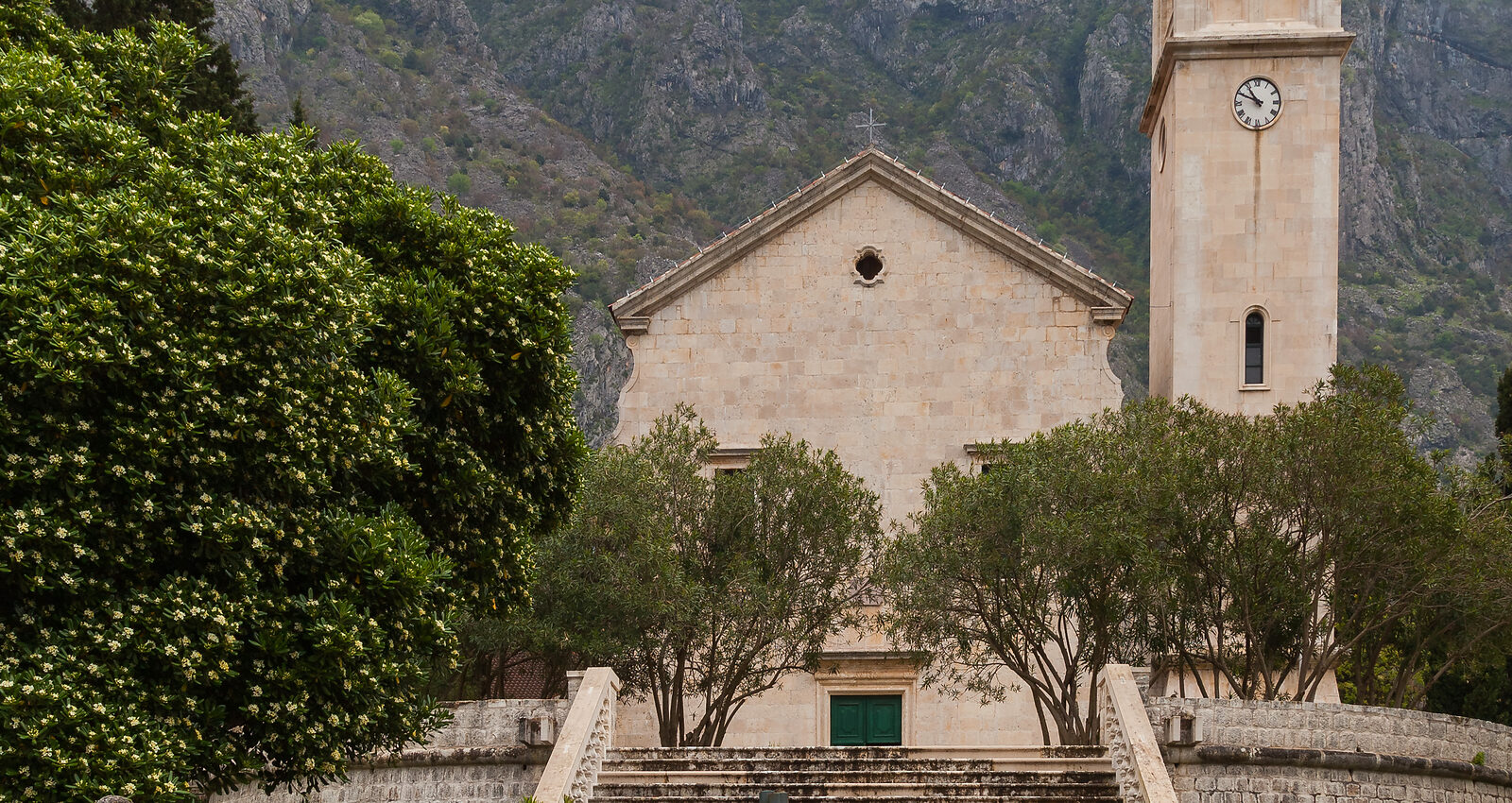
Montenegro: The Gulf's Best-Kept Secret — Where the Mediterranean Meets the Mountains Without the Crowds
Montenegro: Bay of Kotor fjord hiking in Durmitor, Tara Canyon rafting, and why this compact Adriatic escape rivals Croatia at half the price.
TL;DR
Montenegro is Europe’s last unspoiled Adriatic secret — a country smaller than Connecticut where you can kayak fjord-like bays in the morning and hike glacial valleys in the afternoon, all for half the price of its better-known neighbor Croatia. The 2026 data is clear: 1.61 million tourists visited in the first seven months (up 7.8% YoY), tourism revenue hit €465 million in H1 2026 (up 8.8%), and Montenegro was declared the best-rated tourist destination in Europe by the European Travel Commission. The Bay of Kotor has been called “Europe’s southernmost fjord,” Durmitor National Park is home to Europe’s deepest canyon (Tara River Canyon at 1,395m), and Lake Skadar is the Balkans’ largest lake — all within a 3-hour drive. This 7-day itinerary covers the highlights: Kotor’s medieval walls, Perast’s baroque palaces, Žabljak’s mountain gateway, the Tara Canyon zip line, and the serene Lovćen plateau. Visa-free for 90 days for US/UK/EU citizens, the Euro is already legal tender, and the shoulder seasons (May–June, September–October) offer 30–50% savings with half the crowds.
Who This Guide Is For
Travelers who’ve been priced out of Croatia and want the same Adriatic beauty at lower cost — Montenegro is 20–30% cheaper for accommodation and 30–50% cheaper in shoulder season compared to Dubrovnik or Split. Hikers who want dramatic mountain scenery without the Dolomites’ price tag — Durmitor’s Black Lake trail and the Seven Lakes Valley deliver Alpine drama at a fraction of the cost. Culture seekers who want authentic Balkan hospitality without the tourist factory feel — Montenegrin konobas (family taverns) still serve food the way grandmothers made it. Adventure travelers who want to raft Europe’s deepest canyon or zip-line across the Tara — both activities cost €45–70 per person, half of what comparable experiences cost in the Alps. Solo travelers who value safety — the US State Department rates Montenegro Level 1 (Exercise Normal Precautions), and violent crime is virtually nonexistent. Digital nomads who want a European base under €50/day — Podgorica and coastal towns have reliable fiber internet and a growing coworking scene. Anyone who reads about the “coolcation” trend and wants to avoid the Nordic price premium while still getting mountain air — inland Montenegro stays 10–15°C cooler than the coast in summer.
Quick Facts
| Question | Answer |
|---|---|
| Best time to visit | May–June (wildflowers, 18–24°C coast, €30-50% off) and September–October (warm sea, 14–22°C coast, golden larches in Durmitor); July–August for beach-only but expect 30–50% price spikes and daily cruise ships in Kotor |
| Typical duration | 7 days (extend to 10 for Tara Canyon multi-day or a week in the mountains) |
| Difficulty | Moderate (hiking requires proper boots; coastal walks and city exploration are easy; driving mountain roads requires care) |
| Typical daily budget | €40–65/day budget, €80–130/day mid-range, €200+/day luxury (per person, shoulder season) |
| Visa | 90 days visa-free for US, UK, EU, Canada, Australia, NZ, Japan, South Korea; US State Department Montenegro advisory rates Level 1; GOV.UK entry requirements |
| Currency | Euro (€) — Montenegro uses the Euro despite not being an EU member |
| Language | Montenegrin (Serbian/Croatian/Bosnian mutual intelligibility); English widely spoken in tourism; basic phrasebook helps in villages |
| Getting there | Fly into Tivat (TIV) for Bay of Kotor (closest), Podgorica (TGD) for interior, or Dubrovnik (DBV) in Croatia (2h drive, land border crossing); Montenegro tourism board airports guide |
Before You Go
Checklist
Documents & Money
- Passport valid at least 3 months beyond planned departure; US State Department Montenegro entry requirements
- 90-day visa-free entry for US/UK/EU citizens — Montenegro is NOT in Schengen, so days don’t count against your Schengen 90/180 limit; but you must register your stay in each municipality if not staying at a hotel (Montenegro government visas)
- Euro cash (€100–200) for mountain villages, national park fees, and konobas that don’t take cards
- Credit card with no foreign transaction fees (widely accepted in Podgorica, Kotor, Budva; rarely in Durmitor mountain villages)
- ETIAS travel authorization (€7) required for EU entry starting October 2026 — apply if transiting through Schengen (EC ETIAS page)
Apps to Download
- Google Maps offline for the Bay of Kotor and Durmitor regions (cell coverage is patchy on mountain roads)
- Promet (local bus company app) for Podgorica–Kotor and Podgorica–Žabljak routes
- Polovni Automobili (car rental comparison) if renting — book at least 3 weeks ahead for August
- Zub blagodarnosti (tip calculator) — Montenegrins expect 10% tip rounding
- Offline currency converter (Euro-based; no currency exchange needed but good for budget tracking)
Gear
- Sturdy hiking boots (limestone and scree terrain in Durmitor; approach trails to Tara Canyon)
- Layers — coast hits 28–32°C in summer, mountains stay 12–20°C; temperature swings of 15°C+ are common in one day
- Rain jacket — afternoon thunderstorms common July–August, especially in mountains
- Sun protection SPF 50+ (high altitude amplifies UV in Durmitor; Mediterranean sun on coast)
- Swimwear (coastal beaches, mountain lakes, Tara River swimming spots)
- Headlamp (some mountain huts have limited electricity; Black Lake area gets dark early)
Health
- No mandatory vaccines for Montenegro entry; routine vaccines (MMR, DTP, polio) should be current (CDC Montenegro health info)
- Tick-borne encephalitis (TBE) risk in Durmitor forests May–September — consider vaccination if hiking multi-day (ECDC tick surveillance)
- Travel insurance with mountain rescue coverage — evacuation from Durmitor can cost €200–500; the Tara Canyon zip line requires a signed waiver
- Basic first-aid kit with blister treatment (limestone trails are sharp)
Getting There
Tivat Airport (TIV) is Montenegro’s busiest airport during summer, located 20 km from Kotor and 35 km from Budva. It’s served by easyJet, Ryanair, and Wizz Air from major European hubs. The airport is small but efficient — arrive 90 minutes before domestic flights, 2 hours before international.
| Route | From | To | Time | Cost |
|---|---|---|---|---|
| International | LHR → TIV | Direct (easyJet) | 2h45m | £80–£200 return |
| International | CDG → TIV | 1 stop (Air France) | 4h30m | €120–€280 return |
| International | FRA → TIV | Direct (Lufthansa) | 2h | €100–€250 return |
| International | DXB → TGD | 1 stop (Flydubai/Emirates) | 7h | €180–€350 return |
| Airport → Kotor | TIV | Kotor | 30 min | €15 (taxi) / €3 (airport bus) |
| Airport → Budva | TIV | Budva | 45 min | €20 (taxi) / €5 (bus) |
| Podgorica → Kotor | TGD | Kotor | 1h | €8 (bus) |
| Dubrovnik → Kotor | DBV | Kotor | 2h | €25–30 (shared shuttle) / €15 (border bus) |
Note on Dubrovnik: While Dubrovnik Airport (DBV) in Croatia often has cheaper flights from North America, the land border crossing can be slow in summer (30–60 min delays). The Montenegrin kuna was replaced by the Euro in 2003 — no currency concerns once you arrive. (Montenegro tourism board airport info)
Where to Stay
Montenegro’s accommodation ranges from €8 hostel dorms to €500+ luxury waterfront suites at Porto Montenegro. The key split is between coast (expensive in summer) and interior (consistently affordable year-round).
| Type | Where | Price Range per Night | What You Get |
|---|---|---|---|
| Hostel Dorm | Hostel Mirasolo (Kotor) or Gradska Kafana (Podgorica) | €8–15 | Shared kitchen, common area, towel included |
| Guesthouse | Private rooms in Niksic or Savnik | €15–25 | Family-run, breakfast included, local insight |
| Budget Hotel | Hotel Ada (Podgorica) or Hotel Cattaro (Kotor) | €45–80 | Central location, basic amenities |
| Mid-range | Hotel Vardar (Kotor Bay), Hotel Durmitor (Žabljak) | €70–140 | Private bathroom, restaurant, mountain/lake view |
| Boutique | Hotel Cattaro (Kotor), Gradiste Hotel (Perast) | €120–250 | Restored historic buildings, waterfront, spa |
| Luxury | Regent Porto Montenegro, One&Only Reethi Rah | €250–500+ | Private beach/yard, concierge, fine dining |
Booking tip: Coastal accommodation in Budva and Kotor Old Town doubles or triples in July–August. Book 3 months ahead for peak season. Inland (Žabljak, Niksic, Savnik) prices barely move with the season — same rooms cost €45 in July and €40 in October. The shoulder season (May–June, September–October) is when Montenegro truly shines: warm sea (20°C+ in May), open facilities, and 30–50% savings. (Booking.com Montenegro listings)
Where to Eat
Montenegrin cuisine is a crossroads of Mediterranean and Balkan flavors — fresh Adriatic seafood, mountain lamb, smoked ham, and the national drink rakija. The key is eating where locals eat: konobas (family taverns) cost 30–40% less than tourist-trap restaurants on the main squares.
| Meal | Recommendation | Where | Approx. Cost |
|---|---|---|---|
| Breakfast | Burek (cheese/meat pastry) + coffee | Pekara Višegrad (Podgorica), Buregdžinica Mira (Nikšić) | €2–3 |
| Lunch | Ćevapi (grilled minced meat) + salad | Kafana Tota (Kotor), Restoran Arslanagić (Podgorica) | €8–12 |
| Dinner | Fresh fish + blitva (swiss chard) | Konoba Catovica Mlini (near Kotor), Konoba Stari Grad (Žabljak) | €15–25 |
| Dessert | Priganice (honey fritters) | Any konoba | €3–5 |
| Drink | Vranac (local red wine) or Nikšićko beer | Local konoba | €2–4 |
Etiquette: Tipping 10% is standard. Service is usually included on restaurant bills — check the menu. Payment is by card in cities/tourist areas, but cash (Euro) is preferred in mountain villages and konobas. Don’t be surprised if the owner brings homemade rakija as a welcome — it’s hospitality, not an upsell.
Day-by-Day Itinerary
This 7-day itinerary covers Montenegro’s three faces: the Adriatic coast, the mountain interior, and the cultural heartland. Designed for May–June or September–October when weather is ideal and prices are lower. A rental car is strongly recommended for Days 3–6; on the coast (Days 1–2), buses and boats suffice.
Day 1: Arrival in Tivat → Kotor Old Town
| Time | Activity | Location | Notes |
|---|---|---|---|
| 10:00 | Land at Tivat Airport | TIV | Airport bus to Kotor (€3, 30 min) or pre-book taxi (€15) |
| 11:00 | Check in + orientation | Kotor Old Town | Drop bags at hotel; wander the UNESCO-listed medieval streets |
| 13:00 | Lunch at konoba | Kotor | Try calamari salads — Adriatic squid is locally sourced |
| 15:00 | Kotor City Walls hike | St. John’s Fortress | 1,350 steps; €8 entry; 30-min climb rewards panoramic Bay of Kotor views |
| 17:30 | Sunset at Pestrovića Strana | Kotor Bay | Best viewpoint over the bay without cruise ship crowds |
| 19:30 | Dinner at konoba | Kotor | Grilled sea bass with blitva; Vranac wine pairing |
Plan B: If your flight arrives late, skip the city walls hike and explore the old town’s squares at night — Kotor transforms after dark with restaurant terraces lit by string lights and no cruise ship crowds. The walls can be done at sunrise on Day 2 before the first ships arrive.
Day 2: Perast + Our Lady of the Rocks + Bay cruise
| Time | Activity | Location | Notes |
|---|---|---|---|
| 08:30 | Breakfast at hotel | Kotor | Try kajmak (Balkan cream cheese) with local honey |
| 10:00 | Walk to Perast | Kotor Bay | 15-min walk from Kotor Old Town; baroque architecture |
| 11:00 | Boat to Our Lady of the Rocks | Perast | €8 return; man-made islet with 17th-century church |
| 12:30 | Lunch in Perast | Konoba Catovica Mlini | Famous for lamb cooked under sag (bell) |
| 14:30 | Bay of Kotor scenic boat tour | Kotor Bay | Group tour €25–40; covers entire bay to Herceg Novi |
| 17:00 | Visit Sveti Stefan viewpoint | Prčanj | €5 return boat or €3 taxi; view of the iconic islet |
| 19:30 | Dinner back in Kotor | Old Town | Fresh oysters from the bay; try local pršut (smoked ham) |
Plan B: If the boat to Our Lady of the Rocks is cancelled (windy conditions), substitute with a visit to Njegoš Mausoleum in Lovćen National Park (€5 entry, 45-min drive). The panoramic view of the entire Bay of Kotor from the mountaint top is equally stunning and less weather-dependent.
Day 3: Kotor → Žabljak (Durmitor National Park)
| Time | Activity | Location | Notes |
|---|---|---|---|
| 08:00 | Check out, drive to Žabljak | Via Podgorica | 3-hour drive; stop at Đurđevića Tara Bridge |
| 11:30 | Đurđevića Tara Bridge | Tara River Canyon | €3 parking; 15-min walk to viewpoint; Europe’s deepest canyon visible below |
| 13:00 | Lunch in Bajlovići or Žabljak | Mountain village | Traditional njeguški pršut (smoked ham) and kačamak (cornmeal) |
| 15:00 | Check in at hotel | Žabljak | Town sits at 1,450m; cool evenings even in summer |
| 17:00 | Black Lake (Crno Jezero) trail start | Durmitor NP | €3 entry; easy 3.6km loop around glacial lake |
| 19:30 | Dinner at hotel restaurant | Žabljak | Hearty mountain fare — bean stew, local cheese, lamb |
Plan B: If mountain roads are closed due to late spring snow or autumn storms, skip Žabljak and head to Podgorica instead. Visit the Ribnja River canyon viewpoint, the Raffaele Carraia museum, and stay at a riverside guesthouse. The Podgorica–Kotor coastal road is more reliable year-round than the mountain passes. (Durmitor National Park official)
Day 4: Durmitor — Bobotov Kuk or Tara Canyon
| Time | Activity | Location | Notes |
|---|---|---|---|
| 07:30 | Early breakfast at hotel | Žabljak | Beat the morning crowds at trailheads |
| 09:00 | Bobotov Kuk summit hike | Durmitor | 1,200m ascent; 5–6 hrs round-trip; 2,523m peak; easy scrambling, no technical gear |
| 14:00 | Lunch at hut | Sedlana Kuća | Mountain hut at 1,907m; simple meals, €10–15 |
| 15:30 | Descent via Lokomotiva valley | Durmitor | 4–5 hrs down; varied terrain from scree to forest |
| 20:00 | Dinner at hotel | Žabljak | Reward meal after the long day — trout and local beer |
Plan B: If the full Bobotov Kuk summit is too demanding or weather turns, substitute with the Tara River Canyon activities: zip line across the canyon (€70/person, 150m above river), or a half-day rafting trip on class III–IV rapids (€45–70, includes gear and transport). Both are bookable from Žabljak and operate weather-permitting. (Tara River rafting operators)
Day 5: Tara Canyon → Lake Skadar
| Time | Activity | Location | Notes |
|---|---|---|---|
| 09:00 | Drive to Lake Skadar | Via Plav and Gusinje | 2.5-hour drive; cross into Albanian border area (check border status) |
| 11:30 | Lake Skadar boat tour | National Park | €30–40 for 2-hour group tour; birdwatching (pelicans, herons) |
| 13:00 | Lunch by the lake | Ribanično | Freshwater fish (carp, pike) grilled with local vegetables |
| 15:00 | Village walk in Virpazar | Lake Skadar | Historic town with 14th-century walls; wine tasting at local cellar |
| 17:00 | Visit Sutomore or Herceg Novi | Coastal detour | Beach stop if weather permits; €5 beach lounger |
| 19:30 | Overnight in Herceg Novi or return to Podgorica | Bay of Kotor | Overnight in a seaside guesthouse or back in the capital |
Plan B: If the Lake Skadar boat tour is cancelled (low water levels in summer), substitute with a visit to Ostrog Monastery. Carved into a cliff face 800m above the Zeta River valley, this 17th-century Orthodox monastery is Montenegro’s most visited pilgrimage site. Free entry (donation €2); allow 2–3 hours for the walk up and exploration. (Ostrog Monastery info)
Day 6: Podgorica + Lovćen National Park
| Time | Activity | Location | Notes |
|---|---|---|---|
| 09:00 | Drive to Podgorica | From Žabljak/Lake Skadar | Capital city with good restaurants and markets |
| 10:00 | Morning in Podgorica | City center | Visit the Ribnja River canyon, City Museum, Trnovačko Polje market |
| 12:00 | Lunch in Podgorica | Kafana Tota | Best ćevapi in the country according to local food blog |
| 14:00 | Drive to Lovćen NP | Via Cetinje | Stop at Cetinje royal court (€5 entry) en route |
| 16:00 | Lovćen Mausoleum | Njego Mountain | €5 entry; panoramic view of the entire country; climb 461 steps |
| 18:00 | Njeguši village stop | Lovćen | Smoke-cured ham tasting; visit the birthplace of Petar II Petrović-Njegoš |
| 19:30 | Dinner en route | Kotor or Podgorica | Return to your base for the night |
Plan B: If Lovćen’s mountain roads are icy or closed, skip to Cetinje (Montenegro’s former royal capital). Visit the Cetinje Monastery (free), the House of Petrović-Njegoš (€5), and the Ethnographic Museum. Cetinje is lower altitude (700m) and more accessible in shoulder seasons. (Lovćen National Park official)
Day 7: Kotor or Budva + Departure
| Time | Activity | Location | Notes |
|---|---|---|---|
| 09:00 | Check out, last-minute souvenir shopping | Kotor or Budva | Buy local honey, smoked ham, or Vranac wine |
| 11:00 | Final swim or café | Kotor Bay or Budva beach | Budva’s citadel views; Kotor’s morning kayak on the bay |
| 13:00 | Lunch | Last konoba | Final taste of fresh Adriatic seafood |
| 15:00 | Return rental car / airport transfer | Tivat or Podgorica | Allow 2 hours before international flight |
| 17:00 | Depart Montenegro | TIV or TGD | Or extend for a week in the mountains |
Plan B: If your flight is the next day, store luggage at the bus station in Kotor or Podgorica (€2/day) and explore the old town without bags. The Kotor market (Pazar) runs daily — perfect for last-minute local products. (Montenegro airports info)
Practical Tips
- Parking in Kotor Old Town is nonexistent — use the P1/P2 lots outside the walls (€2/hour, €15/day max). The old town is pedestrian-only; driving in results in a €60 fine. The park-and-ride from the highway is cheapest (€2/hour) with a 15-min walk to the city gates.
- Book Durmitor mountain huts early — Koča na Putejberi (Black Lake hut) fills by mid-July. Alpine Association of Montenegro for reservations.
- The Tara River zip line is a serious money-saver — at €70 per person it’s the single largest optional expense, but it’s the only place in Europe where you can zip-line across a 1,395m-deep canyon. The rappelling and bridge-walking are add-ons (€25–35 extra).
- The coastal road from Kotor to Budva is spectacular but slow — 80 km takes 2 hours with photo stops. The inland A1 motorway is faster (1 hour) but requires a €3.50 toll via the Sozina tunnel.
- Fuel is expensive — €1.50–1.60/liter in 2026. A full week’s rental car burn (60–100 liters) costs €90–160. Factor fuel into your daily budget if you’re self-driving.
- Public transport is reliable but infrequent — buses connect all major towns but may run only 2–4 times daily in shoulder season. Busticket4.me is the local booking platform.
- Cash is still king in mountain villages — Durmitor and Lovćen areas rarely accept cards outside main hotels. Withdraw EUR 100–150 at ATMs in Podgorica or Kotor before heading to the mountains.
- Wild camping is technically illegal but tolerated in remote areas if you ask local landowners. Official campsites cost €8–15/person and are available near all major destinations.
Before You Go: Last-Minute Checks
- Car rental confirmed (book 3+ weeks ahead for August; book at least 1 week for shoulder season)
- Durmitor mountain hut booked (if hiking overnight)
- Kotor Old Town walls ticket purchased (book online to skip the line: npkotor.me)
- Tara Canyon activity booked (zip line, rafting, or canyoning — book in advance via Viator or local operators)
- Border crossing info checked (Dubrovnik → Kotor if arriving from Croatia)
- Euro cash withdrawn (€100–200 for villages and small konobas)
- Offline maps downloaded for Durmitor NP and Lovćen NP (cell coverage is patchy)
- Travel insurance with mountain rescue coverage (mandatory for hiking in Durmitor)
- ETIAS authorization applied (if transiting through Schengen before/after Montenegro)
- Sturdy hiking boots packed (limestone terrain requires ankle support)
Insider Tips
- Kotor Old Town walls at sunrise = zero crowds. The first cruise ship of the day arrives at 8:30am. If you hike the walls (or St. John’s Fortress) at 6:30am, you’ll have the 1,350 steps and panoramic views entirely to yourself. The gate opens at 7am in summer.
- Stay in Žabljak, not on the coast. Coastal accommodation in July doubles or triples compared to Žabljak. You can day-trip to the Bay of Kotor (3-hour drive) and Tara Canyon, and the mountain air means cooler nights without air conditioning.
- The Tara River zip line has a discount for longer combos. A single zip (€70) is the headline, but if you add rappelling and bridge walking, the combo package drops to €110 — still expensive but €30 cheaper than booking separately.
- Njeguši ham is worth the mountain detour. The smoke-cured prosciutto from the village of Njeguši (near Lovćen) is unlike anything else — cured for 18 months over beech and hornbeam. Buy it directly from the smokehouse for €15–20 per 500g, compared to €35+ in tourist shops.
- September offers the perfect balance. The sea is still warm (22–23°C), the mountains are golden with larches, accommodation is 30–40% cheaper than August, and there are zero cruise ships in Kotor after September 15.
- Ask for “specijal” at any konoba. This means the chef’s special — usually the freshest catch of the day or the best value dish. In coastal konobas, it’s often whole branzino or sea bream; in mountain villages, it’s lamb under the bell.
- Lake Skadar is a hidden gem. While everyone goes to the Bay of Kotor, few venture inland to Europe’s largest lake (48km long). The birdwatching is exceptional — over 270 species including the endangered Dalmatian pelican. Rent a kayak at Virpazar for €15/hour and paddle into the reed islands.
Etiquette & Culture
- Montenegrins are proud of their independence (declared 2006 from Serbia). Don’t call them Serbian, Croatian, or Bosnian — they are distinctly Montenegrin. The national motto “Freedom or Death” (Слобода или смерти) is taken seriously.
- Conservative dress inland: In mountain villages and mosques (like the Gusinje mosque near Lake Skadar), women should cover shoulders and knees. The coast is more relaxed, but beachwear in town centers is considered inappropriate after 6pm.
- Tipping 10% is standard but not mandatory. Service is usually included on restaurant bills — check the menu. At mountain huts, rounding up to the nearest Euro is customary. Not tipping is acceptable in budget establishments.
- Greetings matter: A simple “zdravo” (ZDAH-vo) or “dobar dan” (DOH-bar dahn) earns respect, especially in villages. In tourist areas, English is widely spoken. In rural areas, a few Montenegrin phrases go far.
- Respect the mountains: Durmitor and Lovćen National Parks have strict rules — no wild camping, no drones without permits, fires only in designated areas. Rangers issue €300–500 fines for violations. The “quiet hiking” rule is taken seriously — don’t play music on trails.
- Hospitality is sacred: When offered “domaći rakija” (homemade fruit brandy) at a konoba, refusing is considered rude. It’s hospitality, not an upsell. Accept the small glass, say “hvala” and “ukusno” (delicious).
- Language note: Montenegrin is essentially identical to Serbian/Croatian/Bosnian in everyday use. Locals will understand you if you use any South Slavic phrasebook. The main difference from Serbian is the use of “s” instead of “š” in some words (e.g., “samo” vs. “šamo”).
Useful Phrases (Montenegrin)
| Phrase | Pronunciation | Context |
|---|---|---|
| Zdravo / Dobar dan | ZDAH-vo / DOH-bar dahn | Hello / Good day |
| Hvala | KVAH-lah | Thank you |
| Molim | MOH-leem | Please / you’re welcome |
| Oprostite | OP-roh-stee-teh | Excuse me |
| Koliko košta? | KOH-lee-ok KOSH-tah? | How much does it cost? |
| Račun, molim | RAH-toon KWAH-loom | The bill, please |
| Kafa, molim | KAH-fah | Coffee, please |
| Voda | VOH-dah | Water |
| Gdje je…? | GYEH yeh…? | Where is…? |
| Toaleta | TOH-a-le-tah | Bathroom |
| Dovoljno | DOH-vohl-noh | Enough / OK |
Good to know (2026)
- Record tourism arrival: Montenegro recorded 1.61 million tourists in January–July 2026, up 7.8% YoY. Tourism revenue hit €465.05 million in H1 2026, up 8.75% from 2025. (Montenegro business report, Sep 2026)
- Best-rated in Europe: Montenegro was declared the best-rated tourist destination in Europe by the European Travel Commission in 2026, based on the quality of its tourism infrastructure and visitor satisfaction scores. (ETC press release, Jun 2026)
- Currency stability: Montenegro adopted the Euro in 2003 and has maintained price stability despite not being in the EU. Inflation in 2026 is 2.8% year-to-date, well below the EU average. (Central Bank of Montenegro, Aug 2026)
- Shoulder season sweet spot: The official Montenegro tourism board recommends May–June and September–October for “the best value, ideal weather, and authentic experiences.” The sea reaches 20°C by late May, and the mountains are clear and accessible. (Montenegro.travel official guide)
- Dubrovnik alternative: With Dubrovnik receiving 2.5 million cruise ship passengers annually in 2026 (up 12% YoY), the Bay of Kotor offers the same medieval architecture and Adriatic views without the crowds or 35% higher accommodation costs. (Croatia Tourism Board, 2026 report)
- Sustainable tourism: Montenegro’s “Quality Over Quantity” model limits daily visitors to Tara River Canyon (100 people max for zip line), caps overnight stays in Durmitor backcountry (50 hikers/day), and introduced a €1/person/night ecotax in 2026 for all accommodations. (Nadlezanje Foundation, Montenegro tourism report, Jul 2026)
FAQs
Do I need a visa for Montenegro? No. Citizens of the US, UK, Canada, Australia, New Zealand, Japan, South Korea, and most of the EU can enter Montenegro without a visa for up to 90 days in any 180-day period. Montenegro is NOT part of Schengen, so your Montenegrin days don’t count against your Schengen 90/180 limit. If you’re staying longer than 90 days, you must apply for a temporary residence permit. Starting October 2026, if you transit through Schengen, you’ll need ETIAS (€7, 3-year validity). Check US State Department Montenegro entry requirements and GOV.UK entry requirements before booking. Sources: US State Department · GOV.UK · Government of Montenegro
What is the best time to visit Montenegro? May–June and September–October are ideal: warm sea (20–22°C), open facilities, 30–50% lower prices, and no cruise ship crowds in Kotor. July–August is peak season with 30–35°C on the coast, packed beaches, and daily cruise ships in Kotor (up to 5 ships/day in August). The mountains are best June–September for hiking. Lake Skadar is best April–June and September–October for birdwatching (Montenegro tourism board). Sources: Montenegro Tourism Board · Trip.com 2026
Is Montenegro safe for solo travelers? Yes. The US State Department rates Montenegro Level 1 (Exercise Normal Precautions) — the safest rating in Europe. Violent crime against tourists is virtually nonexistent. The main risks are petty theft in Kotor Old Town (pickpockets, especially near the fortress climb) and hiking accidents in Durmitor (unprepared hikers on Bobotov Kuk). Emergency number is 112. (US State Department Montenegro travel advisory) Sources: US State Department · GOV.UK
How much does a trip to Montenegro cost? Budget travelers spend €40–65/day (hostels, buses, local konobas). Mid-range costs €80–130/day (private rooms, rental car shared with others, restaurant meals). Luxury starts at €200+/day (waterfront hotels, private boat charters, fine dining). Peak season (July–August) adds 30–50% to accommodation. Shoulder season (May–June, Sep–Oct) is when Montenegro truly shines at half the price (Trip.com cost guide, Jun 2026). Sources: Trip.com · Travel with Hello · Faceted Travel
Do I need a car? Yes, if visiting Durmitor, Lake Skadar, or Lovćen National Parks — public transport is limited and infrequent to these areas. On the coast (Kotor, Budva, Herceg Novi), buses and boats are sufficient. Rental cars cost €25–40/day in shoulder season, €60–100/day in August. Fuel is €1.50–1.60/liter. Book car rentals 3 weeks ahead for August. (Montenegro tourism board transport guide) Sources: Montenegro Tourism Board · Rentalcars.com · BestTravelScout
What is the Tara River Canyon? The Tara River Canyon is Europe’s deepest river gorge at 1,395 meters (4,577 feet) deep. Located in Durmitor National Park, it’s a UNESCO World Heritage site. Activities include zip-lining across the canyon (150m above the river, €70), white-water rafting (class III–IV, €45–70 for half-day), and hiking the canyon rim trails. The famous Đurđevića Tara Bridge spans the canyon at its narrowest point. Sources: Durmitor National Park · UNESCO World Heritage Centre
Related Guides
- Slovenia: The Julian Alps’ Best-Kept Secret — Where Lake Bohinj Rewards the Curious and the Quiet
- Romania: The Balkans’ Best-Kept Secret — Where Medieval Castles Meet Wild Carpathians
- Botswana: The Okavango Delta — Where the Desert Teaches You What Water Means
The Bottom Line
Montenegro is what Croatia was 20 years ago — before the cruise ships, before the Instagram influencers, before the €200 hotel rooms in Dubrovnik’s Old Town. It’s Europe’s last unspoiled Adriatic secret, and 2026 is the year it stops being one.
The data is undeniable: 1.61 million tourists visited in just seven months (up 7.8%), tourism revenue is at record levels, and the European Travel Commission just declared it the best-rated tourist destination in Europe. But here’s the thing — Montenegro is small. Smaller than Connecticut. The Bay of Kotor, the mountains, the capital, and the lake are all within a 3-hour drive. This isn’t a destination that demands weeks of your life. It demands seven days of your attention.
So go now. Before the €5 coffee appears in Kotor’s old town. Before the €300/night “boutique” opens in Žabljak. Before “coolcation” brochures from Condé Nast start arriving in your mailbox with Montenegro highlighted in gold.
Because in a decade, Montenegro will still be beautiful. But it won’t be quiet. And the silence — the sound of waves lapping against medieval stone, the wind through beech forests in Durmitor, the call to prayer echoing over the bay at sunset — that might be the most valuable thing you pay for on this trip. And it’s still free.
The best trips do not just move you across a map. They change how you see the world. Use this guide to build your own story.
Start Planning Your Story